


 العربية
  English (UK)
  Русский
  বাংলা
বাংলা  日本語
日本語  한국어
한국어  Magyar
  Norsk nynorsk
  Türkçe
  עִבְרִית
  Español
  Čeština
  Svenska
  Português
  Ελληνικά
  Suomi
Suomi  Nederlands
  Română
  Italiano
  Français
  Polski
  Українська
  Deutsch
  简体中文
简体中文  Slovenčina
  Српски језик
  اردو
اردو  Azərbaycan dili
  O‘zbekcha
  አማርኛ
አማርኛ 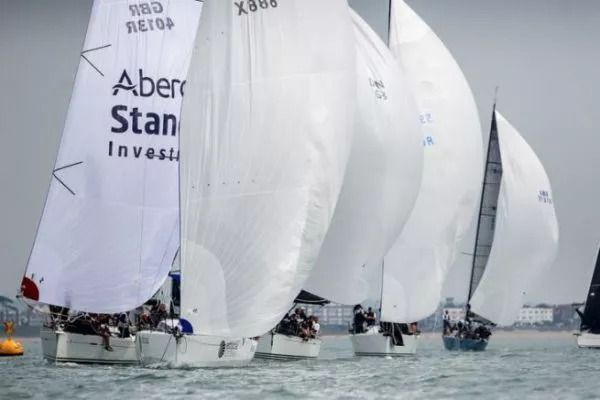 أساسيات عملية لسباقات الكروز: IRC و OSIRIS وكيفية الاستعداد">

Race-day logistics at a glance
A typical cruiser regatta will hold a skipper’s briefing at the marina between 08:30 and 09:30, with the first warning signal scheduled for a wind window of 5–15 knots and a course length set to finish within 2–4 hours. Race committees commonly require arrival at the starting area at least 30 minutes before the first signal, and a safety check of lifejackets, jacklines and communication equipment is often enforced.
Types of regattas and where cruisers fit in
Sailing events range from short club races to long offshore challenges. For cruising yachts, typical formats include:
- Coastal races — course close to shore, convenient for day visitors and shore-side spectators.
- Round-the-island — popular for combined tourism and competition, with stops that benefit local marinas.
- Passage races — longer legs that test navigation and weather routing skills.
- Inshore regattas — short-course racing near harbors, ideal for beginners and shore-side viewing.
How these formats affect tourism
Regattas draw charter clients, yacht charter companies and spectators. Ports hosting races often see increased demand for berths, seaside accommodations and guided shore excursions. Event schedules influence ferry timetables and local transport logistics, turning a sailing event into a mini tourism season boost when paired with museum tours, island food trails or yacht parties.
Real time vs compensated time: a practical distinction
In regattas, two scorelines coexist: elapsed (real) time و corrected (compensated) time. Elapsed time is simply the clock run from start to finish. Corrected time uses a handicap formula so a diverse fleet can compete fairly. Skippers should know which scoring system the race uses before declaring tactics — a heavy cruising yacht may race conservatively in elapsed-time heats but pursue speed gains when corrected time is applied.
Measurement systems: IRC and OSIRIS compared
| الميزة | IRC | OSIRIS |
|---|---|---|
| Origin | International, developed in the UK | French, designed for cruiser fleets |
| تعقيد | Proprietary formula, certificate required | Simpler, more accessible for club racers |
| Common use | Coastal and offshore international events | Regional French and Mediterranean cruiser regattas |
| Cost | Paid measurement and rating | Often lower-cost or free to enter |
Which gauge to choose?
Choose IRC when competing internationally or when the fleet includes performance-oriented yachts; choose OSIRIS for accessible fleet racing where cruising comfort is also a priority. Organizers will state accepted ratings in the Notice of Race.
Obtaining certificates and the practical steps
- Check the Notice of Race for required rating systems (IRC, OSIRIS or local rules).
- Gather rig measurements, sail dimensions and displacement figures.
- Submit documentation to the rating authority and request a certificate well before the event.
- Attach sail numbers and prepare a measurement form for inspection at registration.
Numbers in the sails: visibility and compliance
Sail numbers must match the boat’s registration and the number on the rating certificate. Race officials may disqualify boats with incorrect or non-visible numbers. For spectator-friendly regattas, clear numbers also help charter clients and photographers identify yachts on the water.
Pre-race checklist for cruiser crews
- Safety gear: lifejackets, flares, first aid kit.
- Rig checks: shrouds, turnbuckles and halyard tensions.
- أشرعة: repair small tears, verify reefing systems.
- Navigation: updated charts, waypoints for the course.
- Comfort: secure loose gear for crew safety and morale.
Local services and planning your regatta trip
When organizing travel around a race — from crew flights to shore excursions — consider booking early for berths and accommodation. Platforms like GetExperience.com السماح للمسافرين بطلب جولات شاطئية مخصصة أو تأمين المدفوعات الكاملة مع تأكيد القسيمة لاحقًا، وهو ما يمكن أن يكون مفيدًا لتخطيط الأنشطة الترفيهية أو الجولات في المتاحف مع مرشدين مباشرين أو احتفالات ما بعد السباق.
أهم النقاط وقيمة التجربة المباشرة
يجمع الاشتراك في سباقات القوارب بين مهارة الملاحة، وإعداد القارب، ولمسة من الحماس التنافسي. يعرض هذا الحدث الأطقم للتكتيكات، وممارسات السلامة، والتقاليد المجتمعية الفريدة للبلدات الساحلية. ومع ذلك، لا شيء يضاهي الصعود على متن القارب والسباق بنفسك: فحتى أفضل المراجعات وأصدق التعليقات لا يمكن أن تقارن حقًا بالتجربة الشخصية. على GetExperience، يمكنك حجز تجربتك من مزودين موثوقين وبأسعار معقولة. يمكّنك هذا من اتخاذ القرار الأكثر استنارة دون نفقات أو خيبات أمل غير ضرورية مع الاستمتاع بالراحة والشفافية والخيارات الواسعة للجولات والرحلات والتجارب البحرية. احجز الآن GetExperience.com
ختامًا، تجمع سباقات الكروزر بين الرياضة والسفر الاجتماعي، مع أنظمة تسجيل مثل IRC و OSIRIS تمكين منافسة عادلة بين اليخوت المتنوعة. الإعداد العملي - من الشهادات وأرقام الأشرعة إلى قائمة تحقق سلامة قوية - يحافظ على التركيز على الإبحار ومشاهدة المعالم السياحية. بالنسبة للمسافرين وضيوف الرحلات البحرية المستأجرة، تقدم سباقات القوارب تجارب سفر جذابة وأنشطة مغامرات وفرصًا للقيام بجولات في المتاحف مع مرشدين سياحيين مباشرين وحفلات اليخوت وحتى تجارب السفر الفاخرة. سواء كنت تهدف إلى الترفيه الشاطئي على طراز جلسات تدريب الرياضات الإلكترونية للمبتدئين أو بديل رحلات السفاري الصديقة للبيئة في الحياة البرية في يوم راحة، فإن التخطيط المدروس يضمن مزيجًا مجزيًا من المنافسة والسياحة.