


 Deutsch
  English (UK)
  Русский
  বাংলা
বাংলা  العربية
  日本語
日本語  한국어
한국어  Magyar
  Norsk nynorsk
  Türkçe
  עִבְרִית
  Español
  Čeština
  Svenska
  Português
  Ελληνικά
  Suomi
Suomi  Nederlands
  Română
  Italiano
  Français
  Polski
  Українська
  简体中文
简体中文  Slovenčina
  Српски језик
  اردو
اردو  Azərbaycan dili
  O‘zbekcha
  አማርኛ
አማርኛ 
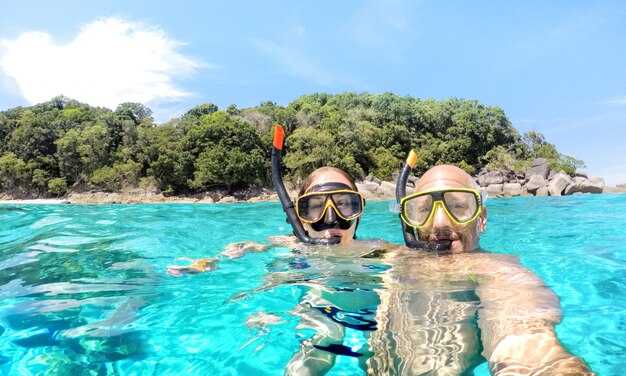
Begin with Belize for a compact, high-value kickoff: abundant life, sharks and rays, and shallow water within miles of shore.
Good gear helps every outing. Pack a mask, snorkel, fins, reef-safe sunscreen, and a rash guard to enjoy the water safely.
- Belize Barrier Reef Reserve System, Belize
The array of locations around Belize forms a united archipelago with three main ecosystems–lagoon, reef crest, and outer slope–so you can explore shallow coves and still meet sharks, rays, and vibrant fish. Those guided trips keep you within five miles of shore, ideal for a snorkeler starting out. The reef’s reputation grows year after year, and scholars of marine life note how the habitat supports abundant life and easy memory-building moments with yourself and your travel crew.
- Florida Keys, United States
Florida sits on the edge of the United States states with an island chain that runs from Key Largo to Key West. There are several accessible locations within miles of the ledge, including Molasses Reef and the wrecks near Marathon. For a snorkeler, the shallow waters reveal an array of reef fish, rays, and curious juvenile species. Moreover, good visibility and warm water make Florida a reliable starting point for every beginner who wants to enjoy snorkeling close to shore, with gear that stays comfortable all day.
- Tres Palmas Marine Reserve, Isabela, puerto rico
On the west coast of puerto rico, Tres Palmas Reserve delivers calm mornings and clear water with abundant corals. This is a popular option for snorkelers who want to see sea turtles, small sharks, and a steady stream of reef fish along protected patches–great for a focused day of snorkeling located near Isabela. A snorkeler can easily plan two to three stops around the reserve to maximize locations without long transitions.
- Hawaii, United States
Hawaii’s coastlines offer multiple sheltered sites, including Molokini Crater and Hanauma Bay. You’ll encounter good visibility, a friendly schooling life, and seasonal whale sightings off the shoreline. For those who want a guided experience, local operators tailor routes that stay in shallow zones while keeping currents predictable, so every snorkeler can build confidence quickly.
- Great Barrier Reef, Australia
Queensland’s reef belt runs roughly 1,400 miles along the coast, with three major zones producing varied experiences. Shallow lagoons host clownfish and damselfish; reef crests offer a higher chance to spot reef sharks and rays; outer reefs reward you with long, uninterrupted visibility. A mix of self-guided outings and guided tours helps you plan a weeklong itinerary that covers multiple locations with gear rental and on-site safety briefings.
- Galapagos Islands, Ecuador
The Galapagos archipelago comprises eight main islands and islets that create a unique snorkeler’s corridor around the united set of lands. You’ll encounter sea lions, penguins, and a constant flow of sharks patrolling the edges of deeper water, alongside a prolific array of reef fish. Each location around these islands offers a different mood, allowing you to enjoy the experience with yourself and a small group of fellow travelers.
- Raja Ampat, Indonesien
Raja Ampat hosts an incredible array of islands and atolls with abundant marine life. The shallow lagoons and sheltered channels are ideal for guided snorkeling trips that reveal vibrant corals and schools of tropical fish, while occasional sharks and rays pass through the barriers. The remote locations add a sense of discovery and create memories you’ll carry for years.
- Red Sea Reefs, Egypt (Sharm el-Sheikh and Hurghada)
The Red Sea offers crystal-clear water and a geological history that shaped dramatic reefs. Expect well-preserved soft and hard corals, abundant reef life, and a steady stream of sharks and rays around the edge of drop-offs. Guided excursions keep you on safe, shallow routes while you explore miles of coastline with a reliable visibility and warm water that makes every snorkeling session enjoyable.
Top Snorkeling Destinations: A Practical Guide
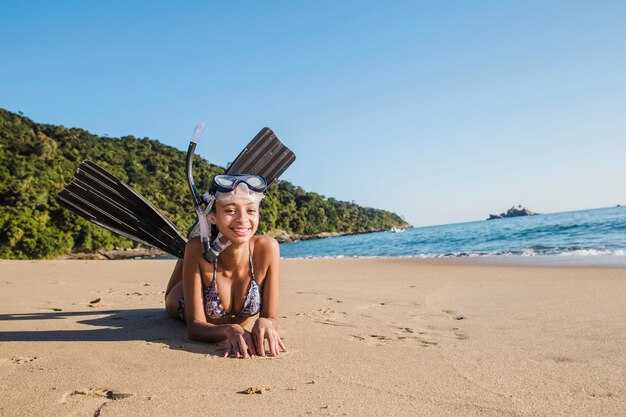
Book a guided boat tour in the galápagos to swim with calm waters and discover parrotfish near sheltered coves in a protected sanctuary.
An array of options lets their team tailor tours to different skill levels, keeping everyone comfortable, offering something for every preference.
Galápagos features pristine coves, clear waters, and abundant parrotfish, with shallow reefs that support easy snorkeling near the coast.
Papahānaumokuākea is a sanctuary with restricted access; papahānaumokuākea requires permits for exploring its coast, with guided tours coordinated by a local team.
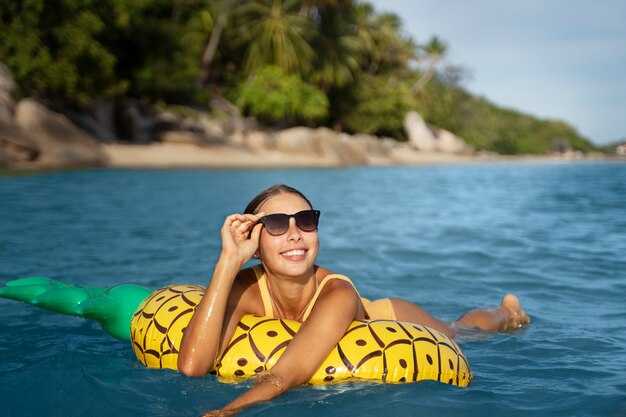
Great Barrier Reef in Australia offers a vast array of features–from turtle lagoons to coral gardens–and plenty of shore-safe spots that suit families on morning boat trips.
The area around Bonaire allows snorkeling right from the coast, with clear visibility and beginner-friendly sites that make it relaxing for kids and first-time snorkelers. Snorkeling is a popular activity for families.
Create a simple list of priorities before you go: the species you want to discover, the months with best visibility, and the type of boat or shore option you prefer. Pack reef-safe sunscreen, rent well-fitting masks, and check current conditions with the local team; book two or three tours to compare experiences.
Protecting these sanctuary sites helps the planet by supporting local communities and sustainable tourism practices.