


 Deutsch
  English (UK)
  Русский
  বাংলা
বাংলা  العربية
  日本語
日本語  한국어
한국어  Magyar
  Norsk nynorsk
  Türkçe
  עִבְרִית
  Español
  Čeština
  Svenska
  Português
  Ελληνικά
  Suomi
Suomi  Nederlands
  Română
  Italiano
  Français
  Polski
  Українська
  简体中文
简体中文  Slovenčina
  Српски језик
  اردو
اردو  Azərbaycan dili
  O‘zbekcha
  አማርኛ
አማርኛ 

For your first cruise, book a balcony cabin to enjoy sea views and a quiet space that quickly feels like home.
Choose a departing window that avoids peak holidays; most lines offer lower rates when voyages depart midweek and during off-season.
Protect your trip with an extensive insurance package that covers cancellation, medical care, and weather changes; compare options from the cruise line, a trusted broker, or a magazine source. If you have points, look for a specific upgrade that unlocks an exclusive dining package or a specialty restaurant experience, plus onboard drinks perks.
Reserve a few shore excursions early, especially if you want to visit ports with popular sights; these tend to book fast. If you travel with kids, seek family-friendly options and kids clubs to ensure adults have time to relax and return back refreshed.
For honeymoons or romantic getaways, ask the crew about onboard couples experiences; many ships offer sunset drinks on deck and private dining with a sommelier in a specialty restaurant experience, creating a truly exclusive moment.
Set a budget and compare cabin categories; the most affordable options are interior cabins, while a simple upgrade can add a balcony. Keep a head count of what you pack, and read fare terms to know what stays with you just before departing.
6 Practical Tips for Booking Your First Cruise: Kids Clubs and Family-Friendly Environments
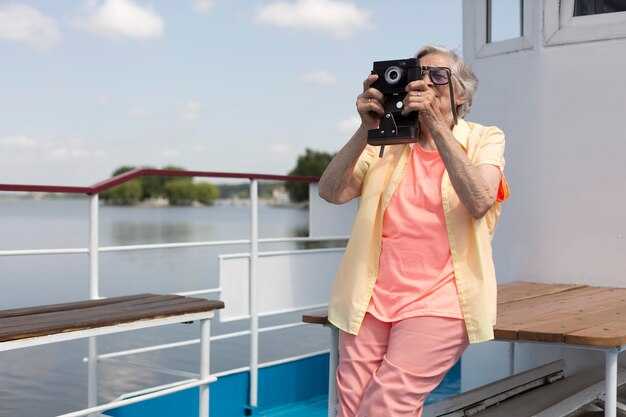
Book cabins near the kids clubs and pool for easy access and an enjoyable start to your cruise. If you began with a clear priority on family time, this setup keeps you close to action and quiet space, simplifying transitions after busy days.
Review daily calendars for kids clubs and family events, and compare the run times of activities on each ship. Look for sessions that fit your schedule so you can switch kids to different play areas with ease. Choose cabins close to the action to cut walking time between venues.
Ask about age groups, staffing levels, safety protocols, and the availability of quiet rooms for nap times and downtime. A robust staff ratio means shorter wait times at sign-up and better supervision when you need a breather. Confirm how the club handles allergy considerations and required forms so you cover care for all kids.
Factor the total value of included meals, snacks, and activities into spending and avoid hidden charges. Some ships offer beverage packages or family dining options that cover part of the cost, increasing overall value. Compare the price of add-ons across ships and skip any that don’t align with your family’s routine.
Prioritize warm, family-friendly spaces: bright lounges, covered deck areas, and safe pool zones with guard supervision. Look for play rooms and splash zones that accommodate a range of ages, so everyone in the family finds something enjoyable. Check the cabins’ proximity to those areas to keep things easy and relaxing.
Use post booking calls or emails to confirm the kids clubs’ operating hours, safety rules, and staff on your sailing date. This proactive check helps you plan activities, book shore excursions in cities that suit families, and cover all expenses ahead of time. If you havent received a clear answer, keep a record and call again before you sail to avoid surprises.
Choose ships with reputable kids clubs and clear age groups
Choose ships with reputable kids clubs and clear age groups. Look for explicit age bands (3–5, 6–8, 9–12, 13–17) and a published safety policy. If the club lists contact details and a clearly visible policy on the online booking page, you can trust the experiences your kids will have.
Ask for staff ratio and supervision hours: a live, trained team matters. Aim for a 1:15 ratio for younger kids and a 1:20 ratio for older children, with supervision extended during peak season. The impact can be quite noticeable when a club runs smoothly; confirm whether check-in is door-to-door or desk-based and if late pickups incur fees. Also, ask about watching for safety signals and staff responsiveness.
Note the club size and location: choose a central area with easy access to cabins and an ocean-view option if available. A pleasant, compact space helps kids feel at home and makes it easier to connect with counselors. For budget-minded families, compare whether the extra distance to the club offsets cabin price, and weigh the value.
On the online page, verify the registration steps, required documents, and any extras. If you see a skip option at checkout, know the exact times for sessions and the policy on late-night activities. If you need to compare options, go back to the main info page.
Consult experts or read a trusted post from families with similar needs to know what to expect; experiences vary by season and ship, so compare a few options and adding notes for your comparison. If you need to share dietary or accessibility needs, do so during registration. If an inland itinerary is on the table, ask how programming shifts.
| Schiff | Age Groups | Staff Ratio | Registrierung | Highlights der Richtlinien | Extras | Notizen |
|---|---|---|---|---|---|---|
| Blue Horizon | 3–5, 6–8, 9–12 | 1:15 (3–5); 1:20 (6–12) | Online sign-in; ID required | Clear time windows; late pickup policy | Included in base rate; babysitting add-ons | Nearby ocean-view club room |
| Sea Quest | 3–7, 8–12, 13–17 | 1:12 | Online; parent pickup | Quiet rooms for naps; child-safe doors | Extra charges for late-night programs | Size of club medium; intimate layout |
| Harbor Belle | 2–4, 5–8, 9–12 | 1:10 | Onboard desk enrollment | Policy on medical needs; allergy notes | Snack options; merch store access | Best for ocean-view cabins nearby |
Thanks for planning with care.
Verify club hours, supervision levels, and safety policies
Verify club hours, supervision levels, and safety policies before you pack. Check the ship’s information channels–the booking app, the daily magazine, and the lines posted around the ship–for the latest times; then compare with the schedule that appears in your cabin. alaska and caribbean itineraries often have different hours by port and departure time, even during port calls, so dont assume a full day of access. Follow these step-by-step checks: confirm the minimum supervision level for each age group; review safety drills, life jacket policies, and how check-in/check-out works; and verify whether late pickups or extended club access incur charges. Keep a photo of the policy on your phone as a quick reference, mind the departure times when planning shore time, and note any limits for teen participation–these details shape your day aboard. Note that the updated times may appear in the app, the magazine, or on boards around the atrium.
For quick help, ask erica in guest services if anything in print appears unclear, and request a brief summary you can use during booking and on the lines. Use tips to balance time in the club with family moments, ask what’s included in your package, and know how many spaces fill up and what to do if you see spaces appear full. In reality, many families rely on a simple plan: designate one person to monitor the club calendar, and let the amazing lineup of activities guide the day. Before you pack, save information about many activities to your mind: how to manage schedule conflicts, and which spaces are included in your cruise. Bring a copy to your suitcase so you can review it during days at port and at sea, ensuring you don’t miss important policies that affect your schedule, photo opportunities, and overall safety during the departure and in alaska, the caribbean, and beyond.
Assess cabin options that fit your family size and privacy needs
Opt for a family suite with a separate kids’ room or two adjoining staterooms with a connecting door, then map your privacy needs against the itinerary.
Review the deck plans and room configurations on a royal ship’s site, and open several options youve saved. Look for two-bedroom layouts or two connecting rooms; with Alaska itineraries, choose setups near open decks and pools for refreshing breaks. If your first pick isn’t available, theres often a cruisetour block you can explore, and watching videos from guests helps spot layout quirks. As part of your decision, consider what’s possible, and if possible, adjust through the booking window to lock in the best match for your family throughout the voyage.
- Familiensuiten – usually include a separate bedroom, a living area, a balcony, and bunks or a sofa bed for kids; some ships offer a second bath. Pros: strong privacy, space for play and meals; Cons: higher price and limited availability.
- Connecting staterooms – two rooms with a connecting door; you can close the door for privacy and open it for family time. Pros: flexible arrangement; Cons: noise may travel through the doorway; verify whether both rooms have windows or balconies if views matter.
- Two adjacent balcony staterooms – great for larger groups who want separate sleep spaces with easy inside access; ensure there’s a connector door and check distance from noisy areas like the casino or kids’ club entrances. Pros: maximum privacy with flexibility; Cons: price climbs on peak itineraries.
Decision tips you can apply now
- Confirm the maximum occupancy and bunk configurations to ensure beds for everyone; read the layout in videos or a deck map to see where the beds live.
- Choose a midship location to minimize motion and reduce noise from pools and public areas; check proximity to the kids’ club and dining rooms.
- Prioritize cabins with a true privacy door between rooms, a living area, and, if possible, a balcony for each family unit; this makes cards, games, and quiet time easier.
- Ask your agent to verify exact room counts and whether a connecting door exists between the chosen cabins, then lock in the option that’s ready in your budget window.
Practical prep and packing notes
- Keep a suitcase by the door for quick access on embarkation day; use packing tricks to maximize closet and drawer space, and carry a small bag with essentials for a quick cabin setup.
- Review exclusive cabin perks and self-contained features–some ships offer private lounges, refreshing layouts, or family-friendly touches that save you time during the voyage.
Plan kid-friendly onboard activities and dining times
Set a fixed 90-minute activity block for kids right after lunch, anchored in the kids club and supported by exclusive programs that rotate weekly. Publish the timetable in the editorial notes and there on the ship’s screens so families always know where to go; though sessions fill quickly, a standby list keeps things moving.
Pair this block with two predictable dining times–early seating and late seating–and provide a kid-friendly menu in both rooms for convenient dining. On norwegian ships, look for exclusive cruisetour options that suit families; use careful planning to map tours that fit between activities. Coordinate with erica in guest services to issue a family dining pass from the issuer and reserve a kid corner in the lounge.
Pack a compact mess kit for the cabin: wipes, a spare shirt, and a travel-size shampoo; label dirties and stash them in a dedicated bag. If a session runs late, offer a quick snack break and leave a note at the desk to coordinate pickup. This helps you keep momentum without delaying others.
Details to monitor include pickup times, spending on extras, and protection protocols; this plan helps your family become confident explorers while staying organized.
Estimate total trip cost and look for family-focused bundles or perks
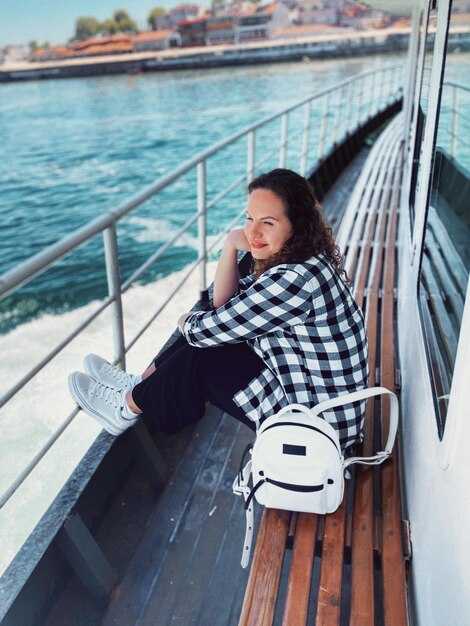
Estimate total trip cost by calculating base fare and taxes, port fees, gratuities, and onboard spending. For a family of four on a 7-night Caribbean cruise, base fares per person typically range $400–$900, totaling $1,600–$3,600. Taxes and fees add about $200–$600. Gratuities run $14–$18 per person per day, or roughly $392–$504 for the week. Add excursions, specialty dining, and beverage packages, which can push the total to about $2,500–$6,000. Planning helps you compare lines and packages without surprises, and you should look for bundles that include kids’ meals, a dining package, lounge access, and a buffet perk. Onboard credits can help you bank on onboard value to offset costs, and consider a package that includes a balcony and convenient cabin features for easy home-from-home living on onboard lines anywhere you travel.
When evaluating options, seek family-focused bundles that bundle dining, entertainment, and accommodations. Look for award-winning kids programs, a dining package, and lounge access, plus a buffet perk that the whole family will actually use. If a package includes onboard credits or discounts on shore excursions, that likely offsets the extra cost. You dont want to overlook savings that appear only in the package, so ask the agent to break down the savings column-by-column to compare against paying a la carte with no package.
Before you book, verify the exact inclusions: what dining package, whether beverages are included, and what shore excursions are covered. If you are a first-time cruiser, pick a line with straightforward itineraries and a generous kids program, and consider a balcony cabin for long days at sea. This approach ensures you get real value and you’ll feel confident choosing a package that fits your budget and family plans.