


 Deutsch
  English (UK)
  Русский
  বাংলা
বাংলা  العربية
  日本語
日本語  한국어
한국어  Magyar
  Norsk nynorsk
  Türkçe
  עִבְרִית
  Español
  Čeština
  Svenska
  Português
  Ελληνικά
  Suomi
Suomi  Nederlands
  Română
  Italiano
  Français
  Polski
  Українська
  简体中文
简体中文  Slovenčina
  Српски језик
  اردو
اردو  Azərbaycan dili
  O‘zbekcha
  አማርኛ
አማርኛ 

Begin with a six-month budget and a one-page plan for where you’ll start traveling, then align it with your dream schedule. This gives you a clear map where you can assess costs, visas, and required vaccinations, without guessing future expenses. Track every spend for the first numerous weeks to see patterns, then adjust as new numbers come in. Rather than waiting for the perfect moment, this early discipline helps you manage estimates more accurately and keeps your plans actionable.
Set numbers you can actually hit: include fixed costs (rent, insurance, visas) and variable costs (food, transport, activities). Use a realistic baseline: monthly living costs vary by region, from about $800 in some Southeast Asian towns to $2,000 in major Western cities; plan a 25–30% contingency for emergencies and flight price spikes. If you nehmen a career break or plan to work remotely, map your income streams now and choosing destinations that match your earnings; ob you stay a month or six, your cost model must scale. For jemand starting out, rental apartments offer a good balance between comfort and cost; compare with hostels and consider long-term rental for stays of two weeks or more. A valuable note: tie the budget to prior savings and forecast exit costs. If you claim tax credits or deductions, include them in your numbers so you don’t overstate funds.
Pack a compact, versatile wardrobe: include moisture-wicking layers, a lightweight jacket, a quick-dry towel, and a daypack suitable for holidays and everyday travel. Aim for a total carry-on weight under 8–10 kg on most airlines; add a universal adapter, a compact sleeping bag for hostels, a basic first-aid kit, and a reusable water bottle. Prioritize multi-use items: one jacket that works for rain and cool evenings, a scarf that doubles as a blanket, and packing cubes to keep order. Store valuables in a money belt or hidden pouch, and keep backups of passport data both online and in a secure offline location.
Plan for documentation and risks before you depart. Check visa windows and required vaccinations; gather proof of funds or return tickets if a destination requires them. Prioritize Gewährleistung your travel insurance covers medical care abroad, evacuation, and rental-vehicle liability. Talk with erfahren travelers who have done long stays: ask what they wish they had known and what to include in your check-list. If you plan to take holidays during your route, schedule these pauses to recharge and re-evaluate your route as needed.
How to Prepare for Long-Term World Travel: Planning, Budgeting, and Packing
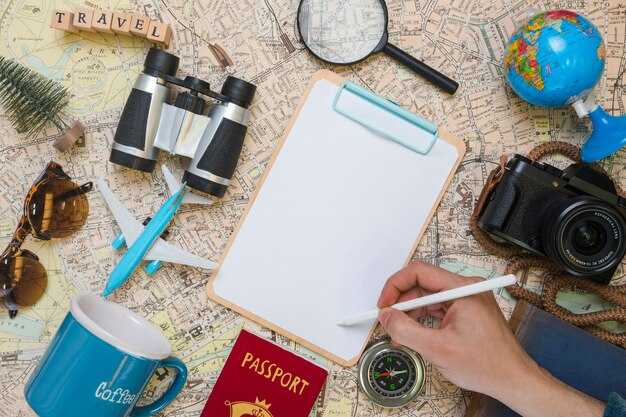
Set a fixed monthly budget and reserve a start date for long-term travel. This focused approach keeps you on track and makes decisions clearer from day one.
- Plan scope, pace, and safety
- You should decide how many years you aim to travel and how you will pace it, including a plan for the middle portion of your route. This decision guides destinations and rest breaks, and as a traveler you’ll feel more confident.
- Open yourself to flexible routes; there there is value in detours that let you discover local culture while keeping momentum.
- Check required vaccinations early and map out healthcare steps so you are ready to go without delays.
- Budget with five cost centers and track transactions
- Set a monthly target and assign funds to five areas: transport, lodging, food, activities, and insurance. Track every transaction to avoid losing track of spending.
- Include extra for emergencies and occasional vacation days; this buffer helps you stay balanced when plans shift.
- Keep a cushion equal to two months of expenses to handle rate changes and unexpected costs, so you won’t lose control there.
- Give them access to the budgeting plan with your partner or friend so you stay aligned and can adjust quickly.
- Pack for comfort, efficiency, and safety
- Choose luggage that keeps you comfortable: a lightweight suitcase, a carry-on, and a compact daypack to manage tours and side trips.
- Curate a versatile packing list; focus on layers, quick-dry fabrics, and a few adaptable outfits that mix and match.
- Keep vital records accessible on your phone and in a cloud backup; send scans of passports, prescriptions, and vaccinations to a trusted contact there for safety.
- Coordinate with the luggage owner if you borrow gear; verify weight limits and durability to prevent problems at check-in.
- Often you can buy local items to save space, so design your packing to be flexible for changing climates and activities.
- Organize a daily-use setup that lets you go light while staying comfortable during longer stays and going on short trips.
Define travel style and pacing: create a 12-month route plan
Start with a concrete recommendation: pick 2–3 goals and set a 12-month route plan that links each block to those goals, a climate window, and a realistic budget. Build a profile of preferred regions, transport modes, and daily routines so decisions stay aligned with what you want to learn and experience. Use editorial sources you trust to compare options and avoid guesswork, and design the plan so it feels best and keeps you happy.
Month 1–3: research and commit. Map four regional clusters that match your goals and your profile. For each cluster, note visa requirements, climate nuances, typical costs, and language exposure. Decide which destinations to prioritize and set a rough corridor that can be adjusted as you learn what works. Capture notes in a simple spreadsheet and keep a living map you can edit; there is much to weigh as options evolve, and comes with new data you collect.
Month 4–6: lock core legs and cash plan. Book refundable flights for the main routes, and set a monthly savings target tied to your paycheck. Track costs by region and adjust the next blocks so cash flow stays healthy across years of travel. If you have years of budgeting experience, translate that into a lean forecast and build a small emergency reserve; plan care for your possessions and consider what you can carry with you.
Month 7–9: test pacing with micro-loops. Maintain a steady rhythm, aiming for 6–8 weeks in each region, 10–14 days for rest and admin, and quick moves when visas shift. Use a flexible calendar to swap destinations if weather or entry rules shift, and record what works in a short editorial note for the next block. If a block feels off, adjust immediately to keep momentum going.
Month 10–12: finalize the pack and gear plan. Decide what to ship, sell, or store at home. Pack light but complete: a yoga mat, a compact backpack, and a versatile wardrobe. Keep the stuff you truly need and care for while traveling, and part with bulky furniture or gear that slows you down. Keep the essentials in hand while you travel, and verify visas and requirements for the next year so the plan stays practical and joyful.
Photo ideas and inspiration often come from d3signgetty.
Budget for the journey: estimate regional costs, build a fund, and track spending
Decide regional cost baselines for traveling and open a dedicated fund now. Pin three regions you expect to spend the most time in and apply comparable daily ranges to project mid-range needs. If you travel with kids, adjust allowances for meals, activities, and transport.
Estimate daily costs (mid-range) by region: Southeast Asia 25-50 USD, Europe 80-150 USD, Latin America 40-100 USD, South Asia 20-45 USD, Middle East 60-120 USD. Costs spike during holidays and major events, and climate-driven price shifts add up, so add a 20% buffer in high season. Remote areas and major capitals differ; plan for higher transportation costs, especially when you must fly from one country to another, and watch for other fees like visa charges and airport taxes.
Build a cushion that matches your plan. For traveling across several regions for 9-12 months, aim for six months of mid-range expenses as a cushion, plus a 10-15% buffer for currency swings and unexpected repairs. If you have kids, add 15-20% for family needs. Use a separate savings account labeled for this trip and automate transfers weekly.
Track spending with a simple system. Create a profile that reflects your priorities: accommodation (airbnb, hotel, or hostel), transportation (airline, train, or bus), meals, activities, and emergencies. Log daily spend in a sheet or app, categorize costs, and review weekly. Keep an eye on costs for stores and local experiences; seek free events to balance the budget. Use a reminder like Zoom to sync with a partner if you travel with someone.
Insurance coverage and claims. Choose a policy with broad coverage and a straightforward claims process. Keep digital copies, note contact numbers, and know how to file a claim if a medical need or trip interruption arises, which helps you stay calm in tough moments.
Cost-cutting strategies in practice. Book early or stay flexible with dates, choose airbnb for longer stays, compare intercity transport options, and shop at local markets for meals rather than tourist spots. If a place feels expensive, consider a longer stay in a comparable city with better value, or split travel into shorter hops to reduce costly transfers among destinations.
Stay open to discovery. Discover cost-saving opportunities such as free events, culture festivals, and local workshops. If costs creep up, adjust promptly; keep a profile of your typical travel plan and adapt as you go. If you need a quick boost, sell unused gear at stores or online to add funds without touching reserves.
Packing strategy: minimal wardrobe, luggage choices, and gear checklist
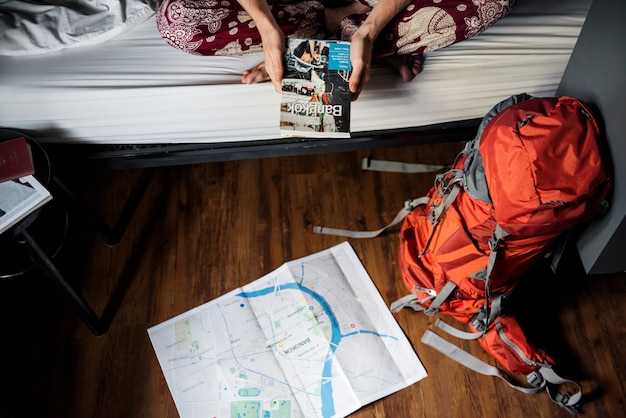
Pack a single backpack (40–45 L) plus a compact daypack, and limit your wardrobe to 7–10 days of clothes with quick-dry fabrics. made for travel, this setup keeps you agile and reduces cost, ensuring stuff is easy to carry. Use a checklist to store anything you need in accessible pockets; if something is stolen, insure and claim promptly; dont leave valuables in open pockets; throughout stays in different climates, health stays in focus. goodwill become huge behind your travels when you keep things simple, and a solid checklist helps you stay organized. These pieces have lasted through months of travel and still feel light.
Build a capsule wardrobe: 2–3 breathable tops, 2 bottoms, 1 lightweight layer, 1 fleece or rain shell, 7–10 underwear, 7–10 socks, and a compact sleep set. Choose quick-dry fabrics that resist wrinkles. Outfits mix-and-match so you can create fresh looks with minimal pieces, and you can wash by hand in a sink and air dry where space is tight. This approach helps you stay fresh during stays and keeps weight down, supporting comfort and health on the road.
Opt for a single carry-on backpack rather than a rolling suitcase in most destinations; choose a model around 40–45 L with sturdy zippers and a rain cover. A detachable daypack handles day trips and airport security lines. If you must check something, use a compact hard shell or soft-sided option and keep the total weight under 10 kg to avoid costing extra fees. Consider a liner bag to protect electronics and a dry bag for used clothes to keep things organized. If you face travels disruptions, this setup helps you adapt quickly.
Gear checklist: power bank (20,000 mAh), universal adapter, compact towel, microfiber cloth, USB-C cable, spare charger brick, travel plug adapter, compact flashlight, mini first aid kit, blister bandages, sewing kit, waterproof pouch for electronics, dry bag, packing cubes, collapsible umbrella, earplugs, sleep mask, and a small notebook for notes. Packables go in labeled pockets to speed access; this keeps your stuff organized and easy to reassemble after security checks.
Security and internet access: keep valuables in a zippered, hidden pocket; use a padlock on a daypack’s main zipper; dont leave your bag unattended; if you face a loss, insure with your travel insurer and file a claim promptly; when possible, use offline maps and download essential guides before leaving wi-fi zones; this keeps you safe and flexible on the road. face travels with confidence when you stay vigilant and prepared.
Health and maintenance: bring a compact first-aid kit and basic meds; keep hand sanitizer handy; rotate clothes to prevent odor; wash hands before meals; plan for laundry slots in hostels or laundrettes; this helps you stay healthy without having to carry excess gear; think through thought about what you truly need, and choose items that serve multiple purposes where possible.
Documentation and safety prep: visas, health insurance, vaccines, and emergency plan
Get visas and health coverage locked in eight weeks before departure. Create a dedicated folder for all documents, both print copies and digital versions. Keep policy numbers, booking confirmations, and emergency contacts in your cell and in storage so you can access them together in case of an issue.
For each destination, verify visa requirements: visa type, fees, and validity. Note whether you need a visa, an ETA, or visa-on-arrival, and factor costing into your travel budget. Prepare scans of passport data pages and approval letters; use google to confirm current rules and timing. Print hard copies to carry at borders.
Choose a dedicated travel health policy that covers medical care abroad and emergency evacuation. Look for the highest level of coverage you can afford and a policy with 24/7 service. Check inclusions for pre-existing conditions, medications, and trip disruption. Print the policy and keep a digital copy in your cell, plus backups in storage.
Talk to a licensed travel clinic about vaccines for your destination. Vaccines vary by region; some shots are required or strongly advised, and several doses may be needed across years. Plan ahead to complete any schedules, and ensure vaccines are approved by your health authority. Print vaccination records and carry a card in hand luggage; store backups in storage.
Create a simple emergency plan: know where to seek care in each city, save embassy contact details, and share your destination and itinerary with a trusted person. Put emergency numbers on your cell, and carry a small printed card in hand luggage. Have a dedicated fund or access path for urgent costs and know how to use it.
P ack a compact medical kit with medications you actually take, plus a few generic remedies. Put the kit in your hand luggage for easy access, and keep a bigger, inexpensive storage container for pills or supplements at the hotel. Bring a handy, inexpensive first-aid guide and a simple note with dosages and timing. If you book additional coverage, read the policy details and compare costing; watch for sales pitches that push pricey add-ons.