


 Azərbaycan dili
  English (UK)
  Русский
  বাংলা
বাংলা  العربية
  日本語
日本語  한국어
한국어  Magyar
  Norsk nynorsk
  Türkçe
  עִבְרִית
  Español
  Čeština
  Svenska
  Português
  Ελληνικά
  Suomi
Suomi  Nederlands
  Română
  Italiano
  Français
  Polski
  Українська
  Deutsch
  简体中文
简体中文  Slovenčina
  Српски језик
  اردو
اردو  O‘zbekcha
  አማርኛ
አማርኛ 
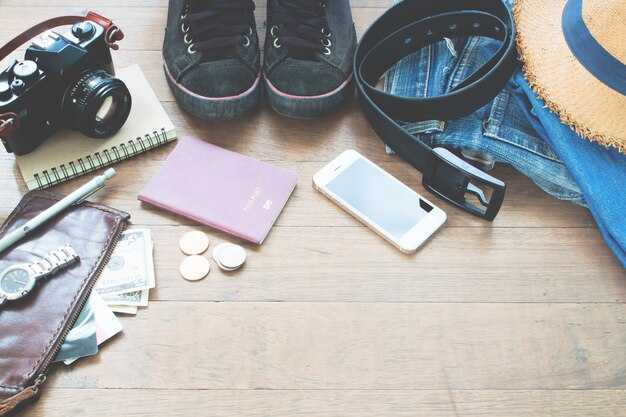
Begin with a six-month budget and a one-page plan for where you’ll start traveling, then align it with your dream schedule. This gives you a clear map where you can assess costs, visas, and required vaccinations, without guessing future expenses. Track every spend for the first numerous weeks to see patterns, then adjust as new numbers come in. Rather than waiting for the perfect moment, this early discipline helps you manage estimates more accurately and keeps your plans actionable.
Set numbers you can actually hit: include fixed costs (rent, insurance, visas) and variable costs (food, transport, activities). Use a realistic baseline: monthly living costs vary by region, from about $800 in some Southeast Asian towns to $2,000 in major Western cities; plan a 25–30% contingency for emergencies and flight price spikes. If you götürmək a career break or plan to work remotely, map your income streams now and choosing destinations that match your earnings; whether you stay a month or six, your cost model must scale. For kimsə starting out, rental apartments offer a good balance between comfort and cost; compare with hostels and consider long-term rental for stays of two weeks or more. A dəyərli note: tie the budget to prior savings and forecast exit costs. If you claim tax credits or deductions, include them in your numbers so you don’t overstate funds.
Pack a compact, versatile wardrobe: include moisture-wicking layers, a lightweight jacket, a quick-dry towel, and a daypack suitable for holidays and everyday travel. Aim for a total carry-on weight under 8–10 kg on most airlines; add a universal adapter, a compact sleeping bag for hostels, a basic first-aid kit, and a reusable water bottle. Prioritize multi-use items: one jacket that works for rain and cool evenings, a scarf that doubles as a blanket, and packing cubes to keep order. Store valuables in a money belt or hidden pouch, and keep backups of passport data both online and in a secure offline location.
Plan for documentation and risks before you depart. Check visa windows and required vaccinations; gather proof of funds or return tickets if a destination requires them. Prioritize təmin etməklə your travel insurance covers medical care abroad, evacuation, and rental-vehicle liability. Talk with experienced travelers who have done long stays: ask what they wish they had known and what to include in your check-list. If you plan to take holidays during your route, schedule these pauses to recharge and re-evaluate your route as needed.
How to Prepare for Long-Term World Travel: Planning, Budgeting, and Packing
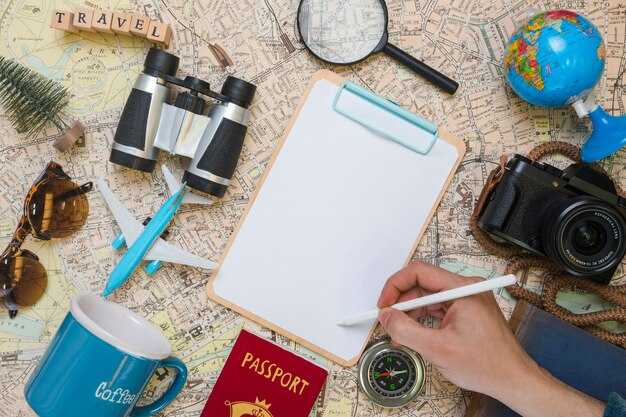
Set a fixed monthly budget and reserve a start date for long-term travel. This focused approach keeps you on track and makes decisions clearer from day one.
- Plan scope, pace, and safety
- You should decide how many years you aim to travel and how you will pace it, including a plan for the middle portion of your route. This decision guides destinations and rest breaks, and as a traveler you’ll feel more confident.
- Open yourself to flexible routes; there there is value in detours that let you discover local culture while keeping momentum.
- Check required vaccinations early and map out healthcare steps so you are ready to go without delays.
- Budget with five cost centers and track transactions
- Set a monthly target and assign funds to five areas: transport, lodging, food, activities, and insurance. Track every transaction to avoid losing track of spending.
- Include extra for emergencies and occasional vacation days; this buffer helps you stay balanced when plans shift.
- Keep a cushion equal to two months of expenses to handle rate changes and unexpected costs, so you won’t lose control there.
- Give them access to the budgeting plan with your partner or friend so you stay aligned and can adjust quickly.
- Pack for comfort, efficiency, and safety
- Choose luggage that keeps you comfortable: a lightweight suitcase, a carry-on, and a compact daypack to manage tours and side trips.
- Curate a versatile packing list; focus on layers, quick-dry fabrics, and a few adaptable outfits that mix and match.
- Keep vital records accessible on your phone and in a cloud backup; send scans of passports, prescriptions, and vaccinations to a trusted contact there for safety.
- Coordinate with the luggage owner if you borrow gear; verify weight limits and durability to prevent problems at check-in.
- Often you can buy local items to save space, so design your packing to be flexible for changing climates and activities.
- Organize a daily-use setup that lets you go light while staying comfortable during longer stays and going on short trips.
Define travel style and pacing: create a 12-month route plan
Start with a concrete recommendation: pick 2–3 goals and set a 12-month route plan that links each block to those goals, a climate window, and a realistic budget. Build a profile of preferred regions, transport modes, and daily routines so decisions stay aligned with what you want to learn and experience. Use editorial sources you trust to compare options and avoid guesswork, and design the plan so it feels best and keeps you happy.
Month 1–3: research and commit. Map four regional clusters that match your goals and your profile. For each cluster, note visa requirements, climate nuances, typical costs, and language exposure. Decide which destinations to prioritize and set a rough corridor that can be adjusted as you learn what works. Capture notes in a simple spreadsheet and keep a living map you can edit; there is much to weigh as options evolve, and comes with new data you collect.
Month 4–6: lock core legs and cash plan. Book refundable flights for the main routes, and set a monthly savings target tied to your paycheck. Track costs by region and adjust the next blocks so cash flow stays healthy across years of travel. If you have years of budgeting experience, translate that into a lean forecast and build a small emergency reserve; plan care for your possessions and consider what you can carry with you.
Month 7–9: test pacing with micro-loops. Maintain a steady rhythm, aiming for 6–8 weeks in each region, 10–14 days for rest and admin, and quick moves when visas shift. Use a flexible calendar to swap destinations if weather or entry rules shift, and record what works in a short editorial note for the next block. If a block feels off, adjust immediately to keep momentum going.
Month 10–12: finalize the pack and gear plan. Decide what to ship, sell, or store at home. Pack light but complete: a yoga mat, a compact backpack, and a versatile wardrobe. Keep the stuff you truly need and care for while traveling, and part with bulky furniture or gear that slows you down. Keep the essentials in hand while you travel, and verify visas and requirements for the next year so the plan stays practical and joyful.
Photo ideas and inspiration often come from d3signgetty.
Budget for the journey: estimate regional costs, build a fund, and track spending
Decide regional cost baselines for traveling and open a dedicated fund now. Pin three regions you expect to spend the most time in and apply comparable daily ranges to project mid-range needs. If you travel with kids, adjust allowances for meals, activities, and transport.
Estimate daily costs (mid-range) by region: Southeast Asia 25-50 USD, Europe 80-150 USD, Latin America 40-100 USD, South Asia 20-45 USD, Middle East 60-120 USD. Costs spike during holidays and major events, and climate-driven price shifts add up, so add a 20% buffer in high season. Remote areas and major capitals differ; plan for higher transportation costs, especially when you must fly from one country to another, and watch for other fees like visa charges and airport taxes.
Build a cushion that matches your plan. For traveling across several regions for 9-12 months, aim for six months of mid-range expenses as a cushion, plus a 10-15% buffer for currency swings and unexpected repairs. If you have kids, add 15-20% for family needs. Use a separate savings account labeled for this trip and automate transfers weekly.
Track spending with a simple system. Create a profile that reflects your priorities: accommodation (airbnb, hotel, or hostel), transportation (airline, train, or bus), meals, activities, and emergencies. Log daily spend in a sheet or app, categorize costs, and review weekly. Keep an eye on costs for stores and local experiences; seek free events to balance the budget. Use a reminder like Zoom to sync with a partner if you travel with someone.
Insurance coverage and claims. Choose a policy with broad coverage and a straightforward claims process. Keep digital copies, note contact numbers, and know how to file a claim if a medical need or trip interruption arises, which helps you stay calm in tough moments.
Cost-cutting strategies in practice. Book early or stay flexible with dates, choose airbnb for longer stays, compare intercity transport options, and shop at local markets for meals rather than tourist spots. If a place feels expensive, consider a longer stay in a comparable city with better value, or split travel into shorter hops to reduce costly transfers among destinations.
Stay open to discovery. Discover cost-saving opportunities such as free events, culture festivals, and local workshops. If costs creep up, adjust promptly; keep a profile of your typical travel plan and adapt as you go. If you need a quick boost, sell unused gear at stores or online to add funds without touching reserves.
Qablaşdırma strategiyası: minimal qarderob, baqaj seçimləri və avadanlıq yoxlama siyahısı
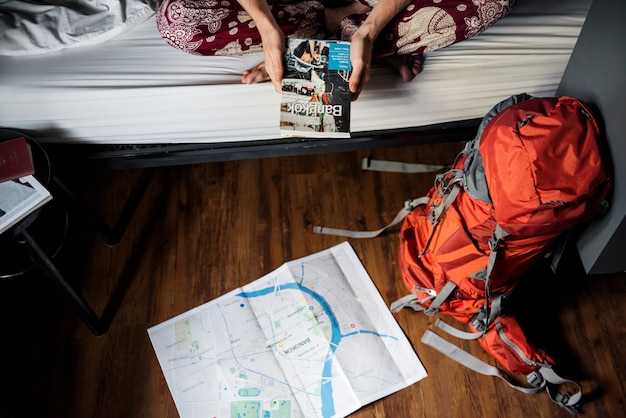
Bir ədəd bel çantası (40–45 L) və əlavə olaraq yığcam gündəlik çanta yığın və qarderobunuzu tez quruğan materiallardan hazırlanmış 7–10 günlük geyim dəsti ilə məhdudlaşdırın. Səyahət üçün nəzərdə tutulmuş bu tərtibat sizi çevik saxlayır və xərcləri azaldır, əşyaların daşınmasının asan olmasını təmin edir. Lazım olan hər şeyi əlçatan ciblərdə saxlamaq üçün yoxlama siyahısından istifadə edin; əgər bir şey oğurlanarsa, dərhal sığortalayın və tələb edin; qiymətli əşyaları açıq ciblərdə qoymayın; müxtəlif iqlimlərdə qaldığınız müddətdə sağlamlığınız diqqət mərkəzində olsun. Hər şeyi sadə saxladığınız zaman səyahətlərinizin arxasında böyük xoşməramlılıq dayanır və möhkəm yoxlama siyahısı sizə mütəşəkkil qalmağa kömək edir. Bu əşyalar aylarla davam edən səyahətlərdən keçib və hələ də yüngül hiss olunur.
Kapsul qarderob yaradın: 2–3 nəfəs alan üst geyimi, 2 alt geyimi, 1 yüngül təbəqə, 1 flis və ya yağış örtüyü, 7–10 alt paltarı, 7–10 corab və yığcam yuxu dəsti. Qırışlara davamlı tez quran parçalar seçin. Geyimlər bir-biri ilə uyğunlaşır, beləliklə minimal parçalarla təravətli görünüş yarada bilərsiniz və yerin az olduğu yerlərdə əllə lavaboda yuyub havada quruta bilərsiniz. Bu yanaşma qalma müddətində təravətli qalmağa kömək edir və çəkini aşağı salaraq yolda rahatlığı və sağlamlığı dəstəkləyir.
Əksər səyahət istiqamətlərində təkərli çamadan əvəzinə, bir əl yükü kürək çantası seçin; möhkəm zəncirbəndləri və yağış örtüyü olan təxminən 40–45 litrlik model seçin. Çıxarıla bilən gündəlik çanta gündüz səfərləri və hava limanının təhlükəsizlik xətləri üçün idealdır. Əgər nəyisə yoxlatdırmalı olsanız, yığcam bərk və ya yumşaq tərəfli variantdan istifadə edin və əlavə rüsumlardan yayınmaq üçün ümumi çəkini 10 kq-dan aşağı saxlayın. Elektron cihazları qorumaq üçün astar torbasını və əşyaları səliqəli saxlamaq üçün istifadə olunmuş paltarlar üçün quru torbanı nəzərdən keçirin. Səyahət pozuntuları ilə üzləşsəniz, bu quraşdırma tez uyğunlaşmağa kömək edir.
Avadanlıq siyahısı: enerji bankı (20,000 mAh), universal adapter, kompakt dəsmal, mikrofiber parça, USB-C kabeli, ehtiyat enerji adapteri, səyahət üçün şteker adapteri, kompakt fənər, mini ilk yardım dəsti, su yara bandları, tikiş dəsti, elektronika üçün suya davamlı kisə, quru çanta, qablaşdırma kubları, qatlanan çətir, qulaqcıqlar, yuxu maskası və qeydlər üçün kiçik dəftər. Qablaşdırıla bilənlər tezləşdirmək üçün etiketli ciblərdə yerləşdirilir; bu, əşyalarınızı səliqəli saxlayır və təhlükəsizlik yoxlamalarından sonra yenidən yığmağı asanlaşdırır.
Təhlükəsizlik və internetə giriş: qiymətli əşyalarınızı bağlı, gizli cibdə saxlayın; gündəlik çantanızın əsas fermuarına asma kilid vurun; çantanızı nəzarətsiz qoymayın; itki ilə üzləşsəniz, səyahət sığortaçınızla sığortalayın və dərhal iddia təqdim edin; mümkün olduqda, oflayn xəritələrdən istifadə edin və wi-fi zonalarını tərk etməzdən əvvəl vacib təlimatları yükləyin; bu, yolda sizi təhlükəsiz və çevik saxlayır. ayıq və hazırlıqlı olduğunuz zaman səyahətlərinizlə inamla üzləşin.
Sağlamlıq və qulluq: kompakt ilk yardım dəsti və əsas dərmanlar götürün; əl təmizləyicisini əlçatan yerdə saxlayın; qoxunun qarşısını almaq üçün paltarları dəyişdirin; yeməkdən əvvəl əllərinizi yuyun; hostellərdə və ya camaşırxanalarda paltar yumaq üçün vaxt ayırın; bu, artıq əşyalar daşımadan sağlam qalmağa kömək edir; həqiqətən nəyə ehtiyacınız olduğunu düşünün və mümkün qədər çox məqsədə xidmət edən əşyalar seçin.
Sənədləşmə və təhlükəsizliyə hazırlıq: vizalar, tibbi sığorta, vaksinlər və fövqəladə vəziyyət planı
Səfərdən səkkiz həftə əvvəl viza və tibbi sığortanı təmin edin. Bütün sənədlər üçün həm çap, həm də rəqəmsal versiyaları olan xüsusi bir qovluq yaradın. Sığorta nömrələrini, bron təsdiqlərini və təcili əlaqə nömrələrini telefonunuzda və yaddaşda saxlayın ki, problem yaranarsa, onlara birlikdə daxil ola biləsiniz.
Hər bir istiqamət üçün viza tələblərini yoxlayın: viza növü, rüsumlar və etibarlılıq müddəti. Viza, ETA və ya sərhəddə viza almağın lazım olub-olmadığını qeyd edin və xərcləri səyahət büdcənizə daxil edin. Pasport məlumat səhifələrinin və təsdiq məktublarının skanlarını hazırlayın; cari qaydaları və müddəti təsdiqləmək üçün googledan istifadə edin. Sərhədlərdə göstərmək üçün çap olunmuş surətləri götürün.
Xaricdə tibbi xidmət və təcili təxliyəni əhatə edən xüsusi səyahət sağlamlıq siyasəti seçin. Ən yüksək səviyyədə əhatə dairəsi və 24/7 xidməti olan siyasət axtarın. Əvvəlcədən mövcud olan xəstəliklər, dərmanlar və səyahətin pozulması üçün əhatə dairəsini yoxlayın. Siyasəti çap edin və mobil telefonunuzda rəqəmsal surətini, əlavə olaraq yaddaşda ehtiyat nüsxələrini saxlayın.
Səyahət etdiyiniz yer üçün peyvəndlər barədə lisenziyalı səyahət klinikası ilə danışın. Peyvəndlər regiondan asılı olaraq dəyişir; bəzi iynələr tələb olunur və ya şiddətlə tövsiyə edilir, bir neçə doza illər ərzində tələb oluna bilər. İstənilən cədvəli tamamlamaq üçün əvvəlcədən planlaşdırın və peyvəndlərin səhiyyə orqanınız tərəfindən təsdiqləndiyinə əmin olun. Peyvənd qeydlərini çap edin və əl yükünüzdə kart daşıyın; ehtiyat nüsxələri yaddaşda saxlayın.
Sadə təcili yardım planı hazırlayın: hər şəhərdə harada tibbi yardım almağı bilin, səfirliyin əlaqə məlumatlarını saxlayın və səyahət marşrutunuzu etibarlı bir şəxslə paylaşın. Telefonunuza təcili yardım nömrələrini qeyd edin və əl yükünüzdə kiçik çap edilmiş kart saxlayın. Təcili xərclər üçün xüsusi fondunuz və ya çıxış yolunuz olsun və ondan necə istifadə etməyi bilin.
Səyahət zamanı qəbul etdiyiniz dərmanlarla yanaşı, bir neçə ümumi vasitə olan yığcam tibbi yardım dəsti hazırlayın. Dəsti əl yükünüzə qoyun ki, əlinizin altında olsun, həblər və ya əlavələr üçün isə oteldə daha böyük, ucuz saxlama qabı saxlayın. Əlverişli, ucuz ilk yardım təlimatı və dozaları və vaxtı göstərən sadə bir qeyd götürün. Əlavə sığorta sifariş etsəniz, siyasət təfərrüatlarını oxuyun və qiymətləri müqayisə edin; bahalı əlavələri təklif edən satış təkliflərinə diqqət yetirin.