


 Čeština
  English (UK)
  Русский
  বাংলা
বাংলা  العربية
  日本語
日本語  한국어
한국어  Magyar
  Norsk nynorsk
  Türkçe
  עִבְרִית
  Español
  Svenska
  Português
  Ελληνικά
  Suomi
Suomi  Nederlands
  Română
  Italiano
  Français
  Polski
  Українська
  Deutsch
  简体中文
简体中文  Slovenčina
  Српски језик
  اردو
اردو  Azərbaycan dili
  O‘zbekcha
  አማርኛ
አማርኛ 
Doporučení: leťte přímým letem na Upolu a ubytujte se na první čtyři noci v chatce, pak se přeplavte na Savaii a zakončete to krátkou návštěvou Kosrae.
Na Upolu začněte s odpoledne projděte se po nábřeží Apia, ochutnejte čerstvé ovoce na trzích a nakupte místní produkty, které odhalují kulturu ostrova. Tento přístup vás udrží nohama na zemi a stanoví jasný bod pro další přesuny, a tím udržuje tempo příjemné jak pro návštěvníky, kteří jsou zde poprvé, tak pro vracející se cestovatele.
Z Upolu vás krátká plavba trajektem dopraví na Savaii, kde se zůstáváním strávit pár nocí v chatě na pobřeží, prozkoumat lávové tunely a navštívit vodopádové tůně. Tato etapa klade důraz na pomalé objevování a lidé, které potkáte ve vesnicích, se s vámi rádi podělí o příběhy o řemeslech, jako je tkaní a vyřezávání – příležitost pořídit si autentické suvenýry a podpořit místní produkty, včetně příběhů, které pocházejí od místních obyvatel.
Kosrae přidává odlehlý rozměr s útesy, mangrovy a klidnými plážemi. Můžete šnorchlovat, jezdit na kajaku a chodit na túry v lesích, particularly v časných ranních hodinách, kdy je aktivita divoké zvěře nejvyšší. Malá města na ostrově nabízejí přímé interakce, které prohlubují smysl cesty.
Pro zachování realističnosti plánu přiřaďte jednotlivé dny ke každé zastávce: dvě noci Upolu, dvě na Savaii, tři na Kosrae, s jedním dnem v záloze pro případ posunu trajektů. Léta zkušeností s cestováním po Tichomoří vás učí rezervovat si flexibilní pobyty a zajistit si včas mezipřistání mezi ostrovy, pokud ovšem nemáte raději spontánní úpravy.
Díky tomu odjíždíte s jasným směrem a sbírkou vzpomínek, řemeslných výrobků a rozhovorů, které s vámi cestují dlouho po skončení cesty.
Praktický, krok za krokem plán ostrovního skákání
Zarezervujte si 10–12denní okruh začínající na Tahiti: Papeete – Moorea – Huahine – Raiatea – Bora Bora a zakončete v Papeete, nebo naskočte na Fidži, pokud vám vyhovují spoje. Tento neuvěřitelný úsek nabízí ráj v Polynésii a udržuje přejezdy poměrně krátké, takže zůstanete plní energie pro další ostrov.
Není nutné nacpat každý večer do jediného hotelu; dvě noci na ostrově fungují dobře, se třemi na Bora Bora, pokud to váš rozpočet dovolí. Tím se udrží vaše tempo uvolněné a zároveň se vměstnají ikonické zážitky, od plavání v laguně až po večeře při západu slunce na bílém písku. Vždy porovnávejte časy trajektů a letů, protože krátké lety maximalizují čas na vodě a pobřeží, nikoli na tranzitu. Použijte tuto strukturu k odstranění nepořádku z vašeho plánu a ponechte pouze ty doplňky, které zvyšují hodnotu.
Krok 2: Zajistěte si letenku do více měst a naplánujte si pořadí nástupu. Hledejte výhodné jízdné, které pokrývá trasy Tahiti–Moorea, Moorea–Huahine, Huahine–Raiatea, Raiatea–Bora Bora a Bora Bora–Papeete. Před odletem si zkontrolujte e-maily, zda nedošlo ke změnám v letovém řádu a branách; malé zpoždění se může projevit v menším časovém prostoru na dalším ostrově. Pokud narazíte na rozumnou možnost přidání letu na Fidži nebo jiný blízký ostrov, přidejte ji jako další možnost, nikoli jako plnohodnotné prodloužení, abyste se mohli rozhodnout v reálném čase. Tato analýza vám pomůže vyvážit pohodlí a cenu, zejména v asijsky dominantní ekonomice Asie a Tichomoří, kde mohou programy odměn a výhody pro časté cestující naklonit matematiku ve váš prospěch.
Krok 3: Rozpočet s jasným rozdělením mezi levné a dražší pobyty. Rezervujte si bungalovy střední třídy nebo zahradní chatky se snídaní v ceně, abyste snížili náklady na večeři. Počítejte s tím, že vnitrostátní lety mezi ostrovy vás vyjdou zhruba na 150–300 USD za let, přičemž některé prémiové balíčky se pro Bora Bora blíží 350–500 USD. Počítejte s 180–260 USD za noc za slušné ubytování nebo 350–500 USD za varianty nad vodou na Bora Bora. Používejte spořicí režim jako na pevnině, ale ponechte si malý polštář pro případné navýšení cen v hlavní sezóně. Pokud chcete něco extra, zarezervujte si jednu noc v bungalovu nad vodou jako odměnu a poté se vraťte k úspornějším variantám po zbytek cesty. Asijské cestovní kanceláře nebo specialisté na Francouzskou Polynésii mohou sestavit balíčky s jídlem, výlety a aktivitami na moři za výhodnou cenu, a přesto si můžete denní volby poměrně flexibilně upravit.
Krok 4: Balení a logistika. Vezměte si lehké, rychleschnoucí oblečení, opalovací krém bezpečný pro korály, klobouk a malý vodotěsný vak na vodní aktivity. Zabalte si opakovaně použitelné láhve na vodu a kompaktní hrnek na ranní kávu, plus pár rychleschnoucích ručníků – ranní káva na palubě nebo v kavárnách u pláže může být příjemný rituál. Přidejte rukavice na ochranu před korály pro kamenité pobřeží, kompaktní šnorchlovací masku a jednoduchou směs koření apia na dochucení ryb u neformální večeře. Mějte digitální kopii hotelových voucherů a konečného itineráře v jedné složce a samostatnou složku pro důležité e-maily od vašeho poskytovatele slev nebo letecké společnosti. Mít přehlednou, malou sadu vám umožní užít si každý východ slunce bez zbytečného nepořádku a zdržení.
| Den | Ostrov | Focus | Doba letu/plavby trajektem | Ubytování (rozmezí) | Přibližné denní náklady | Poznámky |
|---|---|---|---|---|---|---|
| Den 1 | Papeete, Tahiti | Příjezd, procházka po trhu, večeře | – | 180–230 USD | Stravování 25–50, místní kavárny | Pohodlně se usaďte, zkontrolujte e-maily, zda v nich nejsou místní tipy. |
| Den 2 | Moorea | Výhled na lagunu, šnorchlování | Trajekt 30–45 min | 190–260 USD | Jídla 20–45 | Brzy lodí do laguny, odpolední túra |
| Den 3 | Moorea | Projížďka na kole, místní oběd | – | 190–260 USD | Jídla 25–45 | Večerní plavba za západem slunce (volitelné) |
| Den 4 | Huahine | Starověká naleziště, trhy | Let 1h–1h20m | 170–240 USD | Jídla 20–40 | Prozkoumejte vanilkové farmy, místní řemesla |
| Den 5 | Raiatea | Plavba po laguně, šnorchlování | Let 20–40 min | 180–240 USD | Jídla 20–45 | Navštivte kulturní památku Taputapuatea |
| Den 6 | Bora Bora | Ubytování v bungalovu nad vodou nebo pobyt v zahradě | Let 45–60 min | 300–500 USD | Jídla 30–70 | Ikonická plavba po laguně a večeře na písku |
| Den 7 | Bora Bora | Relaxed reef snorkeling, coffee on the pier | – | 300–500 USD | Meals 25–60 | Option to add a spa or extra activity |
| Den 8 | Papeete or Fiji link | Return to Tahiti or extension | Flight to Tahiti 45–60 min; or to Nadi 4–5 h (optional) | 180–260 USD | Meals 25–50 | Review options for an additional leg if desired |
Step 5: Local tips and timing. Aim for shoulder seasons to keep costs down and crowds lighter. If you want a taste of the broader region, add a short hop to Fiji or American Samoa as an optional extension; this additional leg tends to be cheaper outside main holidays and fits a saver strategy. Keep an eye on peak dinner spots and reserve ahead to secure a good table with ocean views; a well-timed order can turn a casual night into a memorable reward for your dreams.
Identify core Pacific Island destinations and justify the route
Begin in Tahiti, then hop to Bora Bora and Moorea, extend to Raiatea and Huahine, fly to Rarotonga and Aitutaki in the Cook Islands, move on to Samoa, and finish with Tonga before returning to Tahiti or heading on to New Zealand. This arc minimizes backtracking and maximizes variety: lagoon scenery, volcanic peaks, cultural centers, and relaxed village life.
- Tahiti: international gateway with reliable connections, a blend of markets, galleries, and bay views.
- Bora Bora: iconic lagoon scenery, luxury stays, and short day trips to nearby motus.
- Moorea: dramatic mountains, accessible day trips from the main hub, great snorkeling around reef patches.
- Raiatea and Huahine: quieter, authentic Polynesian experience with fewer crowds and gentle reef routes.
- Rarotonga and Aitutaki: volcanic heartland, ring-shaped lagoons, with friendly local culture and good hiking options.
- Samoa: waterfall landscapes, traditional villages, and strong craft heritage that adds contrast to northern stops.
- Tonga: abundant coral gardens, welcoming communities, and a chance to visit remote islets for absolute variety.
Route logic hinges on flight times and geographic clustering: the eastern edge links to Tahiti cluster; the central arc connects to the Cook Islands; the southern leg brings in Samoa and Tonga, giving a broader sense of Polynesian life while keeping logistics manageable. For planners, a 10–14 day window can cover 4–6 legs with 2–3 nights per stop, creating a balanced pace and ample time for snorkeling, shore walks, and cultural experiences.
Timing: best seasons and optimal hop order
Plan the loop in the shoulder seasons: April–May or September–November. Booking 3–4 months out unlocks saver-award seats and bonuses, keeping costs manageable across district hubs. A quick abdominal stretch between hops helps you feel ready for the next hour of hopping between atolls and avoids huff and rush.
Conditions by region: in the Tuamotu atolls (tikehau, Rangiroa, Fakarava) expect calm seas and reliable visibility from May through October, with water around 26–29 C and visibility often 20–40 m. The Society Islands (Tahiti, Bora Bora, Moorea, Huahine, Raiatea, Taha’a) share a similar shoulder-season pattern; plan for milder humidity and clearer mornings in April–May and September–November. For a marshall Islands extension, target May–June to minimize storm risk and keep flights available. That alignment helps saved money and keeps your content options flexible.
Plan the hop order to minimize backtracking: start in Tahiti (Papeete) to access the most flight options, then move to Bora Bora, Moorea, Huahine, Raiatea, and Taha’a to anchor the Society Islands. Next, switch to the Tuamotu atolls with a practical sequence: first tikehau, then Rangiroa, then Fakarava. If time allows, add a marshall extension afterward; this keeps the main loop compact and avoids backtracking. This arrangement creates a steady hopper rhythm, where you feel steady progress and never feel rushed.
Practical notes: keep connections hour-long when possible and allow 2–3 nights per stop to reset. Check booking okna a ponechat content ready for quick changes; coming flights show up as available, and you can adjust on the go. Awake for dawn light and quiet seas to spot fish and manta shadows; you might even catch a chance glimpse before lunch. If you want a longer arc, the marshall Islands extension sits as a separate plan, so you can save it for a coming trip and not pressure the core loop. The content you collect–restaurant recommendations, district hubs, and fish options–will be your saved guide for future hops.
Budgeting: estimating total costs for lodging, transport, and activities
dont overextend the budget–lock lodging first and map transport and activities to fit. make a precise plan that lets you earn miles and still enjoy the islands. as hoppers, start with a royal or classic resort for staying near sapphire waters, but keep the front-end tally tight so you can explore more without regret.
Staying 14 nights across 4 stops, a mid-range resort typically costs 180-250 USD per night, placing lodging around 2,700-3,500 USD. to cut costs below, consider guesthouses or boutique properties at 100-150 USD per night for 3-4 nights on one island. keep your stay comfortable by choosing properties with free breakfast or kitchen access. add a packing note: bring a light bag that protects your abdominal area and avoids extra fees on long flights.
Inter-island transport usually runs 100-250 USD per leg; for 3-4 hops, plan 300-1,000 USD. use miles to reduce the fare–check united.com to book and redeem, and also inspect unitedcom for options. hong layovers can save money; gcmapcom helps compare routes. This is what makes sense for most travelers.
Plan 50-150 USD per day for activities like snorkeling, boat trips, cultural tours, and guided hikes; over a two-week trip that’s roughly 700-1,800 USD. gear rental adds 15-25 USD daily; bring reef-safe gloves for protection during water activities. keep the experience simple yet memorable by prioritizing one signature excursion per island and leaving room for spontaneous moments.
Bottom line: tally lodging, transport, and activities with a small contingency. please track below-budget items, stick to a focus on essentials, and be ready to adjust. it takes discipline to hold line items, and eventually you’ll see the reality of a well-paced island hopper. when you arrive, return with a sense of achievement and memories you can share on future trips. next, lock the final numbers and book when a 7- to 10-day window opens.
Booking strategies: flexible fares, cancellations, and multi-destination options
Start by selecting flexible fares with cancellation protection and a multi-destination plan that spans across five nights on two to three islands.
Look for direct flights between core hubs and pair them with a continental connection to minimize layovers and total travel time in this century.
Use price monitors and inventory tools to compare across carriers; youre likely to save more by mixing traditional and budget options than sticking to a single airline on long hops. These tips are recommended by experienced agents and youre also advised to rely on judgement from trusted sources to avoid hype. In populated hubs, check local policies on changes and refunds.
On french Polynesia legs, snorkelling sessions and classic sunset views drive demand; prefer bookings that let you reschedule or cancel with short notice so you can chase good conditions and excellent value. Remember to read the instructions on refunds and changes, and dont throw away flexible options.
For multi-destination planning, start with two or three islands across one region and use a single itinerary to lock in both flights and accommodations; hiring a local guide can enrich the experience and often yields a gift of practical tips you can reuse later. Youre not alone in this, and many travelers report that such arrangements work well.
Keep practical life notes: print or save electronic receipts, stamp your travel wallet with important dates, and track the best time to book as prices tend to rise when tourists flood popular weekends.
Ground logistics: ferries, domestic flights, and time buffers for hops
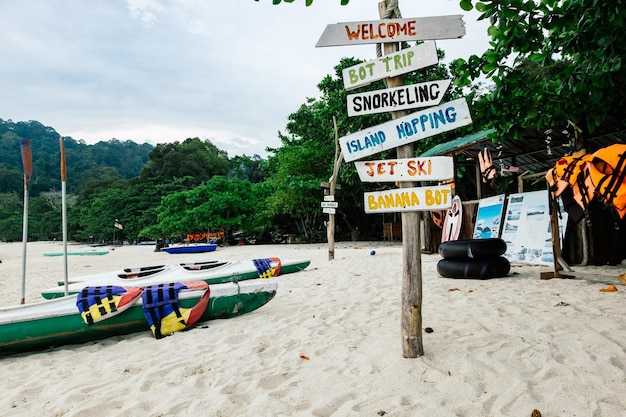
Schedule the first hop with a two-hour buffer after landing to cover immigrations and baggage, then allow 60-90 minutes for each subsequent transfer. When you arrive on one island, inside the terminal you find the desk for the next leg and confirm the gate, time, and luggage rules. Below, practical tips cover ferries, domestic flights, and time buffers for hops between rarotonga, tahiti, vanuatu, and flores.
Ferries offer a scenic, low-stress option for short hops within a cluster of islands; theyre especially useful where air connections are limited or weather disrupts planes. Expect weather-related delays, occasional cancellations, and longer travel times. If youre coming from tahiti or rarotonga’s orbit, you may combine a ferries segment with a flight to reduce risk, and you should always check the latest schedule the day before departure. For added flexibility, book a small boat or a passenger ferry when the schedule aligns with your times, and consider that some routes are served by both ferries and planes, which gives you backup options. Just in case, have a contingency option ready.
Domestic flight options fill gaps between islands where ferries don’t run or would take too long. Airlines operate with planes ranging from small six-seat props to mid-size regional jets, and both types cover routes around tahiti, vanuatu, and flores. Japanese travelers often appreciate upgraded fares that secure preferred seats and smoother check-ins, though costs can climb quickly; plan ahead and compare the total flight time versus price. If you travel alone, you can still access reliable hops by selecting direct connections and avoiding long ground transfers on the way.
Immigrations and exit controls add time to any hop. In many airports you’ll pass through exit checks, then re-enter for the next flight, so carry all documents and be ready for additional forms during peak times. When crossing between zones–from tahiti to rarotonga, for example–expect at least 30-60 minutes for processing, and more if you’re traveling with bags that require inspection. If youre handling a tight connection, keep your carry-on essentials accessible to speed through security and avoid missing a flight. particular airports can be slower; plan accordingly and be patient, because this is a known variable even when the system worked well before.
Costs vary by route and carrier, with inter-island flight prices typically higher than long-haul legs. If a seat is taken on a preferred flight, youre options include a quick ferry or a connection through another hub. When you focus on total travel time, a slightly pricier direct flight may save hours in the air and on the ground. If youre coming from tahiti and heading to rarotonga, you might pay more for direct connections, but the saved time can be worth it, and maybe you find a better combo through vanuatu or flores. Planning ahead lets you cover multiple stops without burning precious time.