


 العربية
  English (UK)
  Русский
  বাংলা
বাংলা  日本語
日本語  한국어
한국어  Magyar
  Norsk nynorsk
  Türkçe
  עִבְרִית
  Español
  Čeština
  Svenska
  Português
  Ελληνικά
  Suomi
Suomi  Nederlands
  Română
  Italiano
  Français
  Polski
  Українська
  Deutsch
  简体中文
简体中文  Slovenčina
  Српски језик
  اردو
اردو  Azərbaycan dili
  O‘zbekcha
  አማርኛ
አማርኛ 
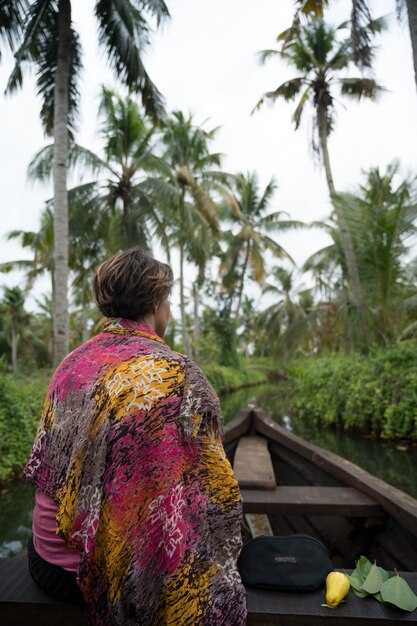
Recommendation: fly nonstop to upolu and base yourself in a cabin for the first four nights, then hop to savaii and finish with kosrae as a compact side leg.
On upolu, start with an afternoon stroll along the Apia waterfront, sample fresh fruit at the markets, and pick up local products that reveal the island’s culture. This approach keeps you grounded in the moment and sets a clear point for the next hops, there to keep the pace enjoyable for both first-time visitors and returning travelers alike.
From upolu, a short ferry brings you to savaii where you’re staying in a coast-side cabin for a couple of nights, explore lava tubes, and visit waterfall pools. This leg emphasizes slow discovery, and the people you meet in villages are eager to share stories about crafts like weaving and carving–a chance to collect authentic souvenirs and support local products, including the stories that came from locals.
Kosrae adds a remote dimension with reefs, mangroves, and quiet beaches. You can snorkel, kayak, and hike in forests, particularly in early mornings when wildlife activity is highest. The island’s small towns offer direct interactions that deepen the sense of meaning in the trip.
to keep the plan realistic, map the days to each stop: two nights upolu, two on savaii, three on kosrae, with a fallback day in case ferries shift. years of experience traveling the Pacific teach you to book flexible stays and to lock inter-island legs early, unless you prefer spontaneous adjustments anyway.
Therefore, you finish with a clear sense of direction and a collection of memories, crafts, and conversations that travel with you long after the trip ends.
Practical, Step-by-Step Island-Hopper Plan
Book a 10–12 day Tahiti-first loop: Papeete to Moorea, Huahine, Raiatea, Bora Bora, then finish in Papeete or hop to Fiji if connections align. This incredible segment delivers paradise in Polynesia and keeps hopping fairly short, so you stay energized for the next island.
It isnt necessary to cram every night into a single hotel; two nights per island works well, with three on Bora Bora if your budget allows. This keeps your pace relaxed while still packing in iconic experiences, from lagoon swims to sunset dinners on white sand. Always compare ferry and flight times, because short hops maximize time on the water and shoreline, not on transit. Use this structure to wipe the clutter from your plan and keep only the adds that boost value.
Step 2: Lock a multi-city ticket and map the onboard order. Look for a saver fare that covers Tahiti–Moorea, Moorea–Huahine, Huahine–Raiatea, Raiatea–Bora Bora, and Bora Bora–Papeete. Check e-mails for revised schedules and gate changes before you depart; a small delay can ripple into a tighter window at the next island. If you spot a reasonable add-on to Fiji or another nearby island, add it as an additional option rather than a full extension, so you can decide in real time. This analysis helps you balance comfort and price, especially in the Asian-dominated Asia–Pacific economy where rewards programs and frequent-flier perks can tilt the math in your favor.
Step 3: Budget with a clear split between cheap and higher-cost stays. Reserve mid-range bungalows or garden cottages that include breakfast to reduce dinner costs. Expect inter-island flights to run from roughly 150–300 USD each, with a few premium packages closer to 350–500 USD for Bora Bora. Plan for 180–260 USD per night for solid lodging or 350–500 USD for overwater options on Bora Bora. Use a mainland-style saver cadence, but allow a small cushion for peak-season spikes. If you want a splurge, book a single overwater night as a reward, then revert to saver options for the rest of the trip. Asian travel agents or French Polynesia specialists can bundle meals, excursions, and sea activities at a favorable rate, and you can still customize daily choices in a fairly flexible way.
Step 4: Packing and logistics. Bring lightweight, quick-dry apparel, a reef-safe sunscreen, a hat, and a small dry bag for water activities. Pack reusable water bottles and a compact coffee mug for morning caffeine, plus a few quick-dry towels–coffee mornings on deck or beachfront cafes can be a nice ritual. Include reef gloves for rocky shores, a compact snorkeling mask, and a simple apia spice blend to flavor fish at a casual dinner. Maintain a digital copy of hotel vouchers and the final itinerary in a single folder, and keep a separate folder for essential e-mails from your saver or airline. Having a clear, small kit lets you enjoy every sunrise without extra clutter or delay.
| اليوم | Island | Focus | Flight/Ferry Time | Lodging (range) | Approx Daily Cost | Notes |
|---|---|---|---|---|---|---|
| اليوم الأول | Papeete, Tahiti | Arrival, market stroll, dinner | – | 180–230 USD | Meals 25–50, local coffee spots | Settle in, check e-mails for local tips |
| اليوم الثاني | موريا | Lagoon view, snorkeling | Ferry 30–45 min | 190–260 USD | Meals 20–45 | Early boat to the lagoon, afternoon hike |
| اليوم الثالث | موريا | Bike tour, local lunch | – | 190–260 USD | Meals 25–45 | Evening sunset cruise (optional) |
| Day 4 | هواهينيه | Ancient sites, markets | Flight 1h–1h20m | 170–240 USD | Meals 20–40 | Explore vanilla farms, local crafts |
| Day 5 | راياتيا | Lagoon cruise, snorkeling | Flight 20–40 min | 180–240 USD | Meals 20–45 | Visit Taputapuatea culture site |
| Day 6 | بورا بورا | Overwater bungalow or garden stay | Flight 45–60 min | 300–500 USD | Meals 30–70 | Iconic lagoon cruise and dinner on the sand |
| Day 7 | بورا بورا | Relaxed reef snorkeling, coffee on the pier | – | 300–500 USD | Meals 25–60 | Option to add a spa or extra activity |
| اليوم الثامن | Papeete or Fiji link | Return to Tahiti or extension | Flight to Tahiti 45–60 min; or to Nadi 4–5 h (optional) | 180–260 USD | Meals 25–50 | Review options for an additional leg if desired |
Step 5: Local tips and timing. Aim for shoulder seasons to keep costs down and crowds lighter. If you want a taste of the broader region, add a short hop to Fiji or American Samoa as an optional extension; this additional leg tends to be cheaper outside main holidays and fits a saver strategy. Keep an eye on peak dinner spots and reserve ahead to secure a good table with ocean views; a well-timed order can turn a casual night into a memorable reward for your dreams.
Identify core Pacific Island destinations and justify the route
Begin in Tahiti, then hop to Bora Bora and Moorea, extend to Raiatea and Huahine, fly to Rarotonga and Aitutaki in the Cook Islands, move on to Samoa, and finish with Tonga before returning to Tahiti or heading on to New Zealand. This arc minimizes backtracking and maximizes variety: lagoon scenery, volcanic peaks, cultural centers, and relaxed village life.
- Tahiti: international gateway with reliable connections, a blend of markets, galleries, and bay views.
- Bora Bora: iconic lagoon scenery, luxury stays, and short day trips to nearby motus.
- Moorea: dramatic mountains, accessible day trips from the main hub, great snorkeling around reef patches.
- Raiatea and Huahine: quieter, authentic Polynesian experience with fewer crowds and gentle reef routes.
- Rarotonga and Aitutaki: volcanic heartland, ring-shaped lagoons, with friendly local culture and good hiking options.
- Samoa: waterfall landscapes, traditional villages, and strong craft heritage that adds contrast to northern stops.
- Tonga: abundant coral gardens, welcoming communities, and a chance to visit remote islets for absolute variety.
Route logic hinges on flight times and geographic clustering: the eastern edge links to Tahiti cluster; the central arc connects to the Cook Islands; the southern leg brings in Samoa and Tonga, giving a broader sense of Polynesian life while keeping logistics manageable. For planners, a 10–14 day window can cover 4–6 legs with 2–3 nights per stop, creating a balanced pace and ample time for snorkeling, shore walks, and cultural experiences.
Timing: best seasons and optimal hop order
Plan the loop in the shoulder seasons: April–May or September–November. Booking 3–4 months out unlocks saver-award seats and bonuses, keeping costs manageable across district hubs. A quick abdominal stretch between hops helps you feel ready for the next hour of hopping between atolls and avoids huff and rush.
Conditions by region: in the Tuamotu atolls (tikehau, Rangiroa, Fakarava) expect calm seas and reliable visibility from May through October, with water around 26–29 C and visibility often 20–40 m. The Society Islands (Tahiti, Bora Bora, Moorea, Huahine, Raiatea, Taha’a) share a similar shoulder-season pattern; plan for milder humidity and clearer mornings in April–May and September–November. For a marshall Islands extension, target May–June to minimize storm risk and keep flights available. That alignment helps saved money and keeps your content options flexible.
Plan the hop order to minimize backtracking: start in Tahiti (Papeete) to access the most flight options, then move to Bora Bora, Moorea, Huahine, Raiatea, and Taha’a to anchor the Society Islands. Next, switch to the Tuamotu atolls with a practical sequence: first tikehau, then Rangiroa, then فاكارافا. If time allows, add a marshall extension afterward; this keeps the main loop compact and avoids backtracking. This arrangement creates a steady hopper rhythm, where you feel steady progress and never feel rushed.
Practical notes: keep connections hour-long when possible and allow 2–3 nights per stop to reset. Check booking نوافذ وابق المحتوى ready for quick changes; coming flights show up as available, and you can adjust on the go. Awake for dawn light and quiet seas to spot fish and manta shadows; you might even catch a chance glimpse before lunch. If you want a longer arc, the marshall Islands extension sits as a separate plan, so you can save it for a coming trip and not pressure the core loop. The content you collect–restaurant recommendations, district hubs, and fish options–will be your saved guide for future hops.
Budgeting: estimating total costs for lodging, transport, and activities
dont overextend the budget–lock lodging first and map transport and activities to fit. make a precise plan that lets you earn miles and still enjoy the islands. as hoppers, start with a royal or classic resort for staying near sapphire waters, but keep the front-end tally tight so you can explore more without regret.
Staying 14 nights across 4 stops, a mid-range resort typically costs 180-250 USD per night, placing lodging around 2,700-3,500 USD. to cut costs below, consider guesthouses or boutique properties at 100-150 USD per night for 3-4 nights on one island. keep your stay comfortable by choosing properties with free breakfast or kitchen access. add a packing note: bring a light bag that protects your abdominal area and avoids extra fees on long flights.
Inter-island transport usually runs 100-250 USD per leg; for 3-4 hops, plan 300-1,000 USD. use miles to reduce the fare–check united.com to book and redeem, and also inspect unitedcom for options. hong layovers can save money; gcmapcom helps compare routes. This is what makes sense for most travelers.
Plan 50-150 USD per day for activities like snorkeling, boat trips, cultural tours, and guided hikes; over a two-week trip that’s roughly 700-1,800 USD. gear rental adds 15-25 USD daily; bring reef-safe gloves for protection during water activities. keep the experience simple yet memorable by prioritizing one signature excursion per island and leaving room for spontaneous moments.
Bottom line: tally lodging, transport, and activities with a small contingency. please track below-budget items, stick to a focus on essentials, and be ready to adjust. it takes discipline to hold line items, and eventually you’ll see the reality of a well-paced island hopper. when you arrive, return with a sense of achievement and memories you can share on future trips. next, lock the final numbers and book when a 7- to 10-day window opens.
Booking strategies: flexible fares, cancellations, and multi-destination options
Start by selecting flexible fares with cancellation protection and a multi-destination plan that spans across five nights on two to three islands.
Look for direct flights between core hubs and pair them with a continental connection to minimize layovers and total travel time in this century.
Use price monitors and inventory tools to compare across carriers; youre likely to save more by mixing traditional and budget options than sticking to a single airline on long hops. These tips are recommended by experienced agents and youre also advised to rely on judgement from trusted sources to avoid hype. In populated hubs, check local policies on changes and refunds.
On french Polynesia legs, snorkelling sessions and classic sunset views drive demand; prefer bookings that let you reschedule or cancel with short notice so you can chase good conditions and excellent value. Remember to read the instructions on refunds and changes, and dont throw away flexible options.
For multi-destination planning, start with two or three islands across one region and use a single itinerary to lock in both flights and accommodations; hiring a local guide can enrich the experience and often yields a gift of practical tips you can reuse later. Youre not alone in this, and many travelers report that such arrangements work well.
Keep practical life notes: print or save electronic receipts, stamp your travel wallet with important dates, and track the best time to book as prices tend to rise when tourists flood popular weekends.
Ground logistics: ferries, domestic flights, and time buffers for hops
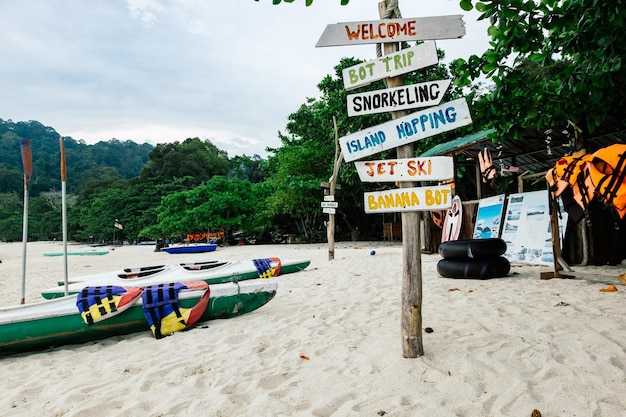
Schedule the first hop with a two-hour buffer after landing to cover immigrations and baggage, then allow 60-90 minutes for each subsequent transfer. When you arrive on one island, inside the terminal you find the desk for the next leg and confirm the gate, time, and luggage rules. Below, practical tips cover ferries, domestic flights, and time buffers for hops between rarotonga, tahiti, vanuatu, and flores.
Ferries offer a scenic, low-stress option for short hops within a cluster of islands; theyre especially useful where air connections are limited or weather disrupts planes. Expect weather-related delays, occasional cancellations, and longer travel times. If youre coming from tahiti or rarotonga’s orbit, you may combine a ferries segment with a flight to reduce risk, and you should always check the latest schedule the day before departure. For added flexibility, book a small boat or a passenger ferry when the schedule aligns with your times, and consider that some routes are served by both ferries and planes, which gives you backup options. Just in case, have a contingency option ready.
Domestic flight options fill gaps between islands where ferries don’t run or would take too long. Airlines operate with planes ranging from small six-seat props to mid-size regional jets, and both types cover routes around tahiti, vanuatu, and flores. Japanese travelers often appreciate upgraded fares that secure preferred seats and smoother check-ins, though costs can climb quickly; plan ahead and compare the total flight time versus price. If you travel alone, you can still access reliable hops by selecting direct connections and avoiding long ground transfers on the way.
Immigrations and exit controls add time to any hop. In many airports you’ll pass through exit checks, then re-enter for the next flight, so carry all documents and be ready for additional forms during peak times. When crossing between zones–from tahiti to rarotonga, for example–expect at least 30-60 minutes for processing, and more if you’re traveling with bags that require inspection. If youre handling a tight connection, keep your carry-on essentials accessible to speed through security and avoid missing a flight. particular airports can be slower; plan accordingly and be patient, because this is a known variable even when the system worked well before.
Costs vary by route and carrier, with inter-island flight prices typically higher than long-haul legs. If a seat is taken on a preferred flight, youre options include a quick ferry or a connection through another hub. When you focus on total travel time, a slightly pricier direct flight may save hours in the air and on the ground. If youre coming from tahiti and heading to rarotonga, you might pay more for direct connections, but the saved time can be worth it, and maybe you find a better combo through vanuatu or flores. Planning ahead lets you cover multiple stops without burning precious time.