


 Azərbaycan dili
  English (UK)
  Русский
  বাংলা
বাংলা  العربية
  日本語
日本語  한국어
한국어  Magyar
  Norsk nynorsk
  Türkçe
  עִבְרִית
  Español
  Čeština
  Svenska
  Português
  Ελληνικά
  Suomi
Suomi  Nederlands
  Română
  Italiano
  Français
  Polski
  Українська
  Deutsch
  简体中文
简体中文  Slovenčina
  Српски језик
  اردو
اردو  O‘zbekcha
  አማርኛ
አማርኛ 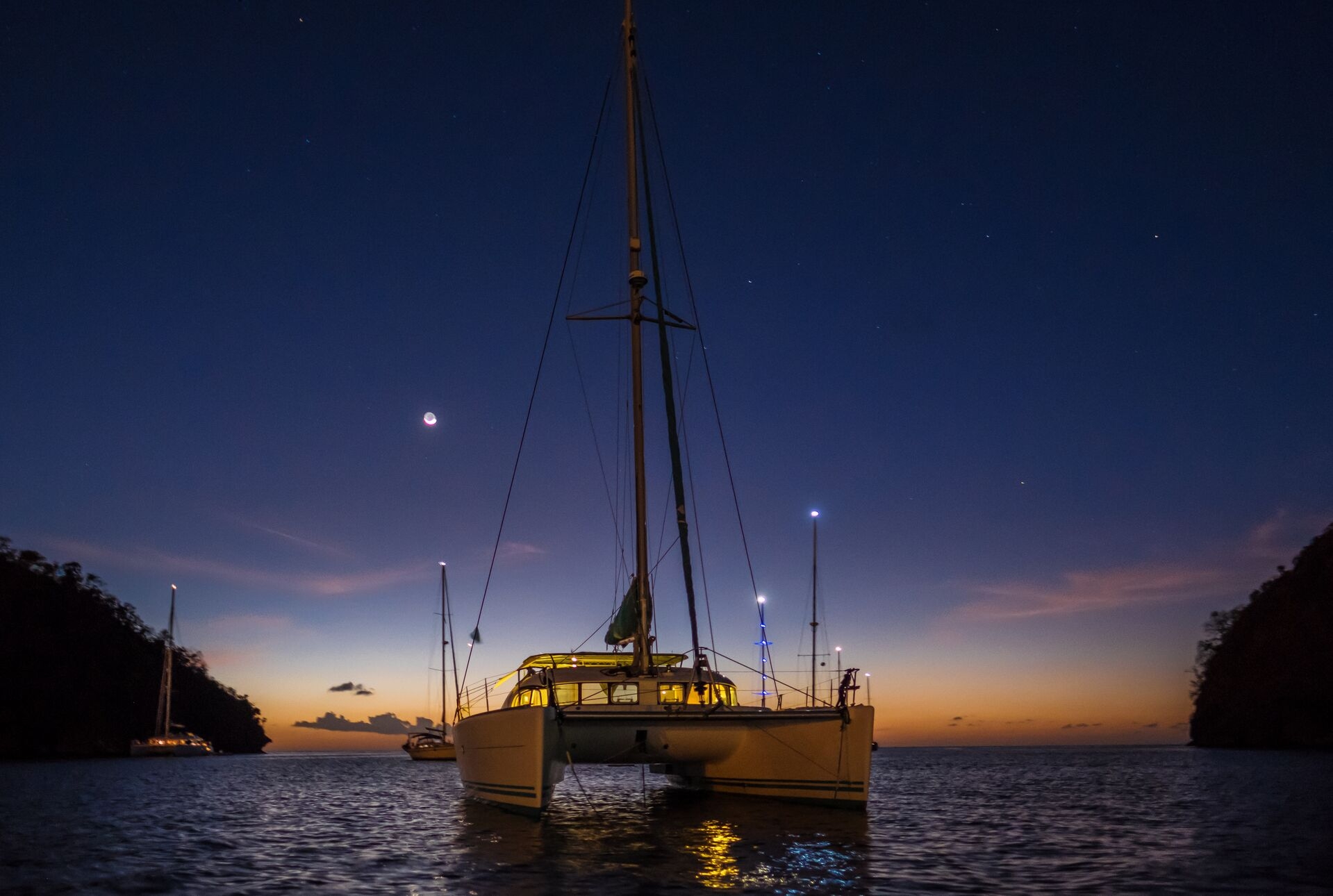 Required Nighttime Boat Lights, Safety Checks, and Tips for Night Cruises">

Between sunset and sunrise, vessels underway must display specific naviqasiya lights: red (port) and green (starboard) sidelights plus a white stern light; power-driven craft also require a white masthead light or an appropriate all‑round white light for small boats. These lighting conventions determine right-of-way, indicate vessel type and activity (underway, towing, or at anchor), and reduce collision risk on busy night routes used by ferries, charter yachts, and sightseeing cruises.
Core Navigation Lights and Their Functions
Understanding the role of each fixture is crucial for both commercial operators and leisure skippers who run night tours or yacht parties.
Sidelights (Port and Starboard)
Red on port (left) and yaşıl on starboard (right) show your vessel’s orientation to others. They are essential when two vessels are crossing or when a vessel approaches from the side.
Stern and Masthead Lights
The white sərt light indicates you from astern. A Masthead light is required for power-driven vessels to show forward and lateral visibility. Small craft often use a single all‑round white light in place of separate masthead and stern lights.
Anchor and Special Lights
Bir lövbər light is an all‑round white light visible 360 degrees when the vessel is at anchor, signaling that the vessel is stationary. Special-purpose lights—such as towing lights or flashing law-enforcement markers—serve distinct operational roles and must be used only in their intended contexts to avoid confusion.
Quick Reference: Light Requirements by Vessel Type
| Gəmi Növü | Typical Required Lights |
|---|---|
| Power-driven (standard) | Red & green sidelights, white stern light, white masthead light |
| Sailboat (underway) | Red & green sidelights; may show tricolour or masthead depending on propulsion |
| Small non-powered | All‑round white light may substitute for separate masthead/stern lights |
| At anchor | All‑round white anchor light visible 360° |
Common Mistakes and Operational Pitfalls
Errors with lights often cause regulatory penalties and increase collision risk on routes popular with tourists and night-time charter services.
- Incorrect rəng placement—mixing red and green or mounting lights on the wrong side.
- Insufficient brightness or obscured lenses, especially when combining decorative lighting for events with required navigation lights.
- Using an lövbər light while underway, which can be misread as a stationary vessel.
Operating Tips for Night Cruises and Charters
Operators running night experiences should separate decorative lighting (deck, party, or entertainment lights) from required navigation lights so guests enjoy the atmosphere without compromising visibility to other vessels.
Event Lighting vs. Navigation Lighting
Ensure decorative lights do not overpower or obscure the navigation lights. Use backlighting and directional fixtures to preserve the visibility of your sərt və yan işıqlar while keeping the onboard ambience.
Maintenance Checklist
Routine checks reduce on-water incidents and avoid fines, which is especially important for commercial tourism vessels that carry passengers.
- Inspect all bulbs and lenses before each night departure.
- Keep spare bulbs and basic tools onboard; know how to replace common units.
- Clean lenses regularly and remove any obstructions from railings or canvas that might block light sectors.
Regulatory and Training Considerations
Compliance goes hand-in-hand with competence. Recreational captains and professional crew should be familiar with their jurisdiction’s rules—ports and coastal authorities often enforce night lighting standards more strictly in congested tourist areas. Formal boater education provides the legal and practical grounding required to operate safely and legally during night excursions; companies like Boat-Ed offer structured courses that cover these topics.
Practical Scenarios for Tourism Operators
Night cruises, museum-lighting waterfront tours, and luxury yacht charters all depend on correct lighting to ensure guest safety and regulatory compliance. A vessel failing light checks can be barred from boarding passengers or receive fines that impact tour schedules and reputation.
Highlights: accurate light placement, regular maintenance, and separating decorative from navigation lighting make night operations safer and more reliable. Even the most detailed reviews and honest feedback cannot replace firsthand experience. On GetExperience, you can book experiences from verified providers at reasonable prices—complete with secure payments and voucher confirmations—and request tailored tours or excursions to match your needs. This transparency and convenience help travelers avoid unnecessary expenses or disappointment. Book now GetExperience.com
In summary, nighttime navigation requires clear adherence to qırmızı and green sidelights, a white sərt and, where applicable, a masthead or all‑round white light; proper maintenance, correct placement, and operator training are essential for safe night voyages. Proper lighting protects passengers on night cruises, supports adventure activities like luxury yacht parties and safari-style coastal tours, and underpins a range of travel experiences from museum tours with live guides to exclusive yacht charters; combining safety with good lighting practice ensures a memorable and lawful experience on the water.