


 Azərbaycan dili
  English (UK)
  Русский
  বাংলা
বাংলা  العربية
  日本語
日本語  한국어
한국어  Magyar
  Norsk nynorsk
  Türkçe
  עִבְרִית
  Español
  Čeština
  Svenska
  Português
  Ελληνικά
  Suomi
Suomi  Nederlands
  Română
  Italiano
  Français
  Polski
  Українська
  Deutsch
  简体中文
简体中文  Slovenčina
  Српски језик
  اردو
اردو  O‘zbekcha
  አማርኛ
አማርኛ 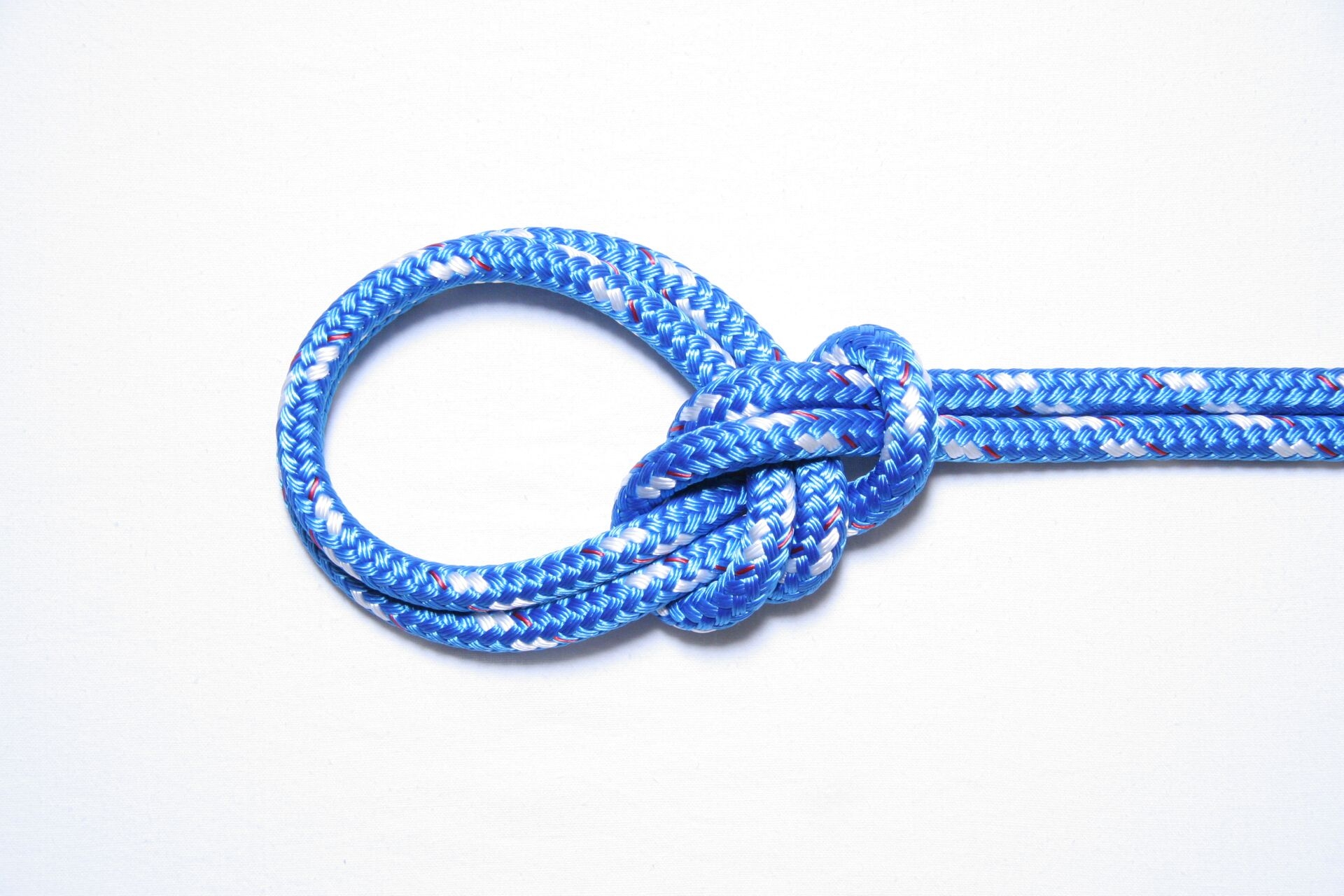 Bowline Knot Essentials: Secure Loops for Docking, Towing and Rescue">

When transferring mooring lines between a vessel and shore bollards or tying a towline, the bowline produces a fixed, non-slip loop that preserves rope handling efficiency and reduces repeated re-tensioning during short-term maneuvers. Its predictability under load makes it a standard choice for crews and small-boat operators conducting frequent embarkation and docking operations.
Overview of the Bowline (paalsteek)
O. bowline—also known by its Dutch name paalsteek—is a classic loop knot prized for creating a stable loop at a rope’s end that does not jam when loaded. It is straightforward to inspect, set, and release, which is why it remains common across recreational boating, commercial tender operations, and marine rescue teams.
Key attributes at a glance
- Sabitləndi. loop: Loop size stays constant under tension.
- Easy to untie: Releases after heavy loading without extensive effort.
- Inspectability: Simple visual checks for correct dressing and tail length.
Strength, Limitations, and Safety
Typical strength retention
A properly dressed bowline typically retains around 60–70% of the rope’s original tensile strength, depending on fiber type and knot dressing. It is reliable but not the absolute strongest loop knot available.
When the bowline may not be appropriate
The knot can work loose if not kept under steady load or when the load direction changes frequently. In cyclic loading scenarios, consider a double bowline, a figure-eight loop, or add a stopper knot to the tail for extra security.
Safety checklist
- Dress and set the knot properly; leave an adequate tail (typically several rope diameters).
- Use a stopper or alternative knot for variable or continuous tension.
- Inspect before every departure and during extended voyages or tour operations.
How to Use the Paalsteek Knot
The bowline’s versatility makes it suitable for multiple maritime tasks. Below are common use cases with practical notes for tourism and small-boat operators.
Bərkidilmiş obyektlərə bərkidilmə
Tie the bowline to cleats, rings, or shore posts when mooring transient passenger launches or excursion tenders. The fixed loop simplifies transfer operations and speeds turnaround at docks.
Towing other vessels
For short-distance tows of dinghies or disabled small craft, the bowline gives a dependable loop that won’t constrict the towline. Adjust loop size quickly to match bridle points; in rough conditions, back it up with a safety knot.
Rescue and person retrieval
Because the loop will not cinch tight under load, the bowline can be used to secure a harness around a life jacket or waist for hauling a person aboard. Always follow local rescue protocols and use trained crew for live recoveries.
Attaching to cleats or anchors
Create a measured loop to connect to anchor chains or to clip into a fixed point on a vessel. The knot’s easy release is useful during quick anchor lifts or anchor watch adjustments during sightseeing cruises.
How to Tie (simple steps)
- Form a small loop in the standing part (the “rabbit hole”).
- Pass the working end (“rabbit”) through the loop, around the standing part, and back into the loop.
- Tighten while dressing the knot neatly so all parts lie flat.
- Leave an adequate tail and add a stopper if variable loads are expected.
Quick Reference Table: Bowline vs Alternatives
| Düyün | Saxlama | Best for |
|---|---|---|
| Bowline | 60–70% | Fixed loop, quick release, towing, rescue |
| İkiqat balıqqulağı düyünü | Daha yüksək | Increased security under variable loads |
| Səkkizlik ilgək | Daha yüksək | Climbing and high-stakes load-bearing |
Practical Tips for Boaters and Tour Operators
Train crew and seasonal staff on knot dressing, tail length, and inspection routines. For operators running passenger excursions, routine knot drills reduce turnaround time at piers and improve safety perceptions among guests—vital for positive reviews when promoting boat tours.
Education and Certification
Courses through providers like Boat-Ed cover knot techniques alongside navigation and safety requirements often mandated by authorities such as Nəqliyyat Canada. Proper training supports compliant, enjoyable maritime tours and better-managed charter services.
Mastering the bowline delivers real benefits: reliable mooring, safer towing, and simpler rescue handling. Yet even the best written guides and reviews can’t replace firsthand practice. On GetExperience, you can book verified maritime tours, training sessions, and excursions—pay securely online with voucher confirmation afterward and submit bespoke requests so providers tailor offers to your needs. That convenience, combined with transparent pricing and a wide variety of tour options worldwide, helps you choose the best fit for skill level and budget. Book now GetExperience.com
Summary: The bowline (paalsteek) is a foundational knot for boating that creates a fixed, non-slip loop useful for docking, towing, rescue, and attaching to cleats or anchors. It retains roughly 60–70% rope strength, is easy to untie after load, but should be backed up or replaced in continuous or changing-load scenarios. Proper dressing, inspection, and crew training—through courses and real-world practice—ensure safe, efficient operations for travel experiences, adventure activities, yacht parties, cruise packages, safari tours and museum tours with live guides. Whether you seek beginner esports coaching sessions or luxury adventure travel experiences with exclusive yacht charters for events, combining knot competency with verified tours and interactive online cultural workshops enhances safety and enjoyment on the water.