


 Azərbaycan dili
  English (UK)
  Русский
  বাংলা
বাংলা  العربية
  日本語
日本語  한국어
한국어  Magyar
  Norsk nynorsk
  Türkçe
  עִבְרִית
  Español
  Čeština
  Svenska
  Português
  Ελληνικά
  Suomi
Suomi  Nederlands
  Română
  Italiano
  Français
  Polski
  Українська
  Deutsch
  简体中文
简体中文  Slovenčina
  Српски језик
  اردو
اردو  O‘zbekcha
  አማርኛ
አማርኛ 
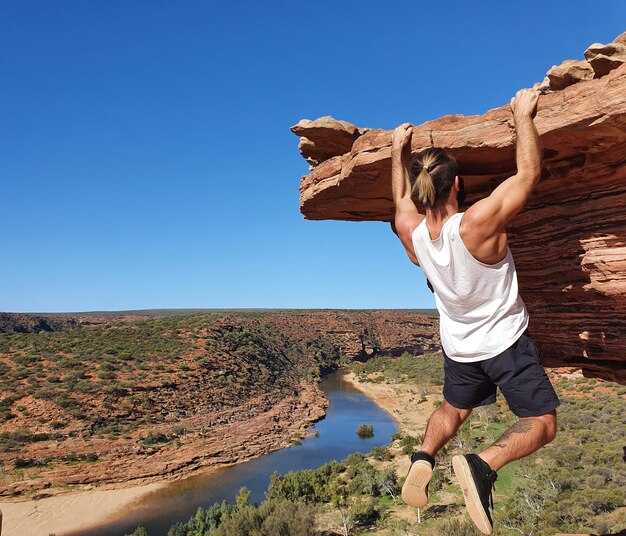
Begin with the base walk around Uluru instead of the climb. This base circle keeps you on solid ground and reveals the rock’s textures, color shifts, and wind-carved grooves from a close, respectful perspective. Plan your day to start at dawn or finish at dusk for the best light, and use a lookout stop to frame the rock in your photos.
Split your time across a few short routes. Rather than rushing a single long trek, combine two or three gentle circuits such as the Mala Walk and Kuniya Lookout, stopping for a quick break in a shaded square along the path. This keeps you moving, lets anyone in your group catch different light, and yields a deeper view of the rock’s textures and color–plus you’ll leave with a richer memory of beauty.
Dress for the ground realities and the angles of the sun. Slips of sun on the rock can be fierce; wear sunscreen, a hat, and lightweight layers. Evenings bring a cold bite, so pack a warm layer to cover your shoulders or arms. A small flashlight helps after dusk if you’re at a lookout or campground. If the lights died in a sudden storm, a headlamp becomes your reliable friend.
Choose your base wisely and spend your weekend wisely. Book a campground near Yulara or the Ayers Rock Resort precinct and map two comfortable nights. On the weekend, arrive early to secure a good parking spot and easy access to the base paths. Use that time to cover more ground and connect with guides at the visitor center for cultural context.
Respect the cultural context and plan where to learn. Uluru belongs to Anangu traditional owners; follow signs, stay on marked paths, and join a short cultural talk if offered. The park’s cultural centre and designated lookouts give you a chance to learn stories in a circle of interpretation. This is where you connect heart-first with the site’s meaning during a closed-climb phase.
Capture the moment with a calm routine and thoughtful timing. Check the daily forecast, arrive at a lookout before dusk, and stay until after sunset to see the sky shift through colors. Keep track of your water and keep a brisk pace to avoid overheating. The beauty here remains even when the climb is closed, and you can still spend a fulfilling day without feeling rushed. If you plan another visit, you can come again for a different light and even richer impressions.
Uluru Visiting Tips: A Practical Guide
Start with a base walk along Uluru’s base and join a guided tour to the rock’s viewing platforms. Once the climb is closed, the summit remains out of reach, but you still get dramatic textures and ancient art up close on the Base Walk and Mala Walk, with multiple views of the rock’s domes along the path.
The Uluru Base Walk covers roughly 10.6 km and typically takes 2.5 to 3.5 hours, depending on pace. Plan to start early in winter to enjoy mild mornings and cooler shade, then finish by midday. Pack plenty of water, sunscreen, a hat, and a light layer for chilly hours; the route is well marked and shaded sections appear along the way.
Book small-group tours to access key viewing points and hear stories from Anangu guides. Tours often include cultural stops near the gate and at Cultural Centre spots, giving you insights that enrich the viewing experience. In the cool of morning, these tours launch before the sun climbs, leaving time for additional viewing later in the day.
Stay at Yulara or book camp options nearby to minimize transport time. If you plan to camp, choose a site within the park’s designated campground; minimum planning helps you fit sunrise, guided talks, and a stroll through the gardens in the afternoon. If camping, bring nets for insects, a compact light, and a reusable water bottle; these spaces have been filled with visitors for years, so follow Leave No Trace and pack out everything.
If you are injured or mobility-impaired, stick to paved routes and use park transport between car parks and viewing areas. Head protection, sturdy footwear, and a small first-aid kit keep you safe on uneven ground. Always check the gate timetable before you head out and carry extra water in case of delays.
The gardens around the Cultural Centre provide shade, seating, and resting spots after your walk. Plan two viewing windows for sunrise and sunset to catch the rock’s color shifts; lights at nearby facilities should be dim during those moments to preserve the natural view. In winter, the air can be mild but nights meter cold, so pack a warm layer for evening stargazing.
Travelling to Uluru from Alice Springs or Ayers Rock airport offers solid transport options: tours, rental cars, or transfers to the park gate. If you have limited time, focus on a base-loop plan that includes sunrise and a Cultural Centre stop, then add a second day for a longer tour or extra walking. This approach keeps you well paced and filled with a rich, hands-on experience rather than chasing a climb that isn’t available.
Verify closures and adjust your plans with flexible day-by-day itineraries
Check officially posted alerts daily and map three flexible day-by-day itineraries you can switch to when the climb is closed.
When closures appear, they prompt you to stay near Uluru and pivot to alternatives such as the Mala Walk, Kuniya Walk, and the walpa path along the base; these experiences are sacred, accessible without crowds, and offer good views of the rock, and you can just take it easy while soaking in the colors.
Sample sequence: Day 1 focuses on the Uluru base circuit and a guided cultural talk; Day 2 visits Walpa Gorge with a short walk and a camel ride, then finishes with the Field of Lights (lights) at dusk; Day 3 reserves time for a relaxed Cultural Centre visit and a sunset at a different lookout, leaving space for something spontaneous if the forecast changes.
Mostly dry seasons help planning, but there’s variability there; closures can be a challenge, so if you need more time, extending your stay over the weekend gives you more options and time left to finish key experiences. If you stayed in the area, you could revisit places there and adjust the pace so you don’t feel tired.
Məsləhətlər to keep plans smooth: check the official alerts, carry water and sun protection, pace yourself, and have a backup option for each day. They are driven by forecast and local advice, so you can adjust as needed. Use guided experiences to learn more about the sacred places, and consider a free stargazing spot after dark to extend your stay well into the night.
Sunrise, sunset, and alternative experiences to substitute the climb
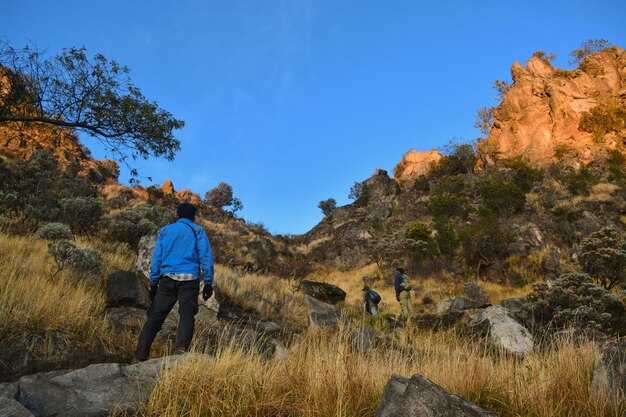
Skip the climb; when it’s closed, begin with a sunrise base walk around Uluru to see the rock glow at first light. If your wishes include a peaceful dawn, start earlier from the eastern base and circle the rock to find the colors shift from pink to copper and then to gold.
Where to watch sunrise: use the official sunrise viewing area along the eastern base or near the gate; the gate opened earlier that morning, so arriving early helps you secure a quiet spot with excellent views and nearby amenities.
Alternative experiences to substitute the climb include the Mala Walk with a guide to the Mutitjulu valley, a cultural talk at the Cultural Centre, and a series of short base walks that reveal rock markings and insights into cultures. natasha and cliona, fellow travellers, say these sessions offer practical tips and deeper connection.
Sunset options deliver a different rhythm: western-facing viewpoints near the campground provide quieter ground where you still witness the rock glow as the sun dips. These experiences support sustainable tourism for the region. Crowds were lighter than you might expect, and the light remains excellent for photography and reflection, then you can walk back to camp with a fresh air breeze.
Practical tips: carry cash for snacks and tips, and plan to purchase a map at the Cultural Centre. Choose a short and comfortable route, especially for adult travellers; wearing shorts or lightweight clothing helps in warm months, and pack water. If you want to maximize comfort, book a campground with excellent amenities and friendly staff.
Depending on weather and gate opening times, you can combine sunrise and a valley circuit to fill the morning. then plan your next stop, or reserve a short guided session that fits your group size and wishes, and where you want to go afterwards.
Hydration, shade, and weather prep when park facilities are limited
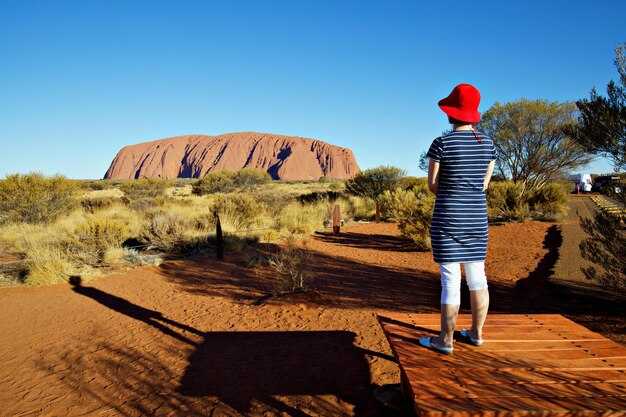
Carry 3–4 liters per person for a half-day and add another 1–2 liters on hot days; you were told to sip steadily, use electrolyte sachets, and avoid waiting until you feel thirsty. This need for regular hydration applies to everyone. Pack a reliable water bottle with a leak-proof cap and keep it within easy reach while you move between shaded places and viewing points, into the cooler moments of the day.
Plan shade first: seek natural shelters near rock overhangs or downtime at roadhouses and shaded viewing decks; a lightweight tarp can create a bedroom-sized shade space for a quick rest. Dress in breathable fabrics, a wide-brim hat, sunglasses, and sunscreen (SPF 50+). If you wear thongs, switch to sturdy sandals or shoes for rocky stretches, then slip back into lighter footwear for rests in shade. The striking red tones of the area make shade essential for comfort.
Weather prep keeps you safe: desert conditions are driven by sun and wind, so plan accordingly. Check the forecast each morning and carry a compact rain shell for sudden showers; pack a small fan or damp towel to help you cool down, and store valuables in a dry bag to protect devices and maps. Bring electrolyte drinks or sachets to restore minerals lost in sweat, especially if you plan activities into the afternoon; flies can be a nuisance, so a light net or breathable clothing helps you stay comfortable.
Culture and places: stay on marked paths to respect traditional owners and the shared stories around viewing areas; this approach makes downtime more comfortable and safer for everyone. For added comfort, spend time at places that balance shade and sun and keep water accessible as you move between short activities. Being mindful of etiquette during viewing ensures you can enjoy the culture without disrupting others.
Practical options: refilling at roadhouses is common, so plan to spend time there between drives; carry small change for ice and cold drinks, and note park gate hours to avoid missing cool air. If you have companions, share water tips and keep a single bottle system to reduce waste; you would appreciate a later start if the heat is strong, and this plan lets you enjoy the red-hued scenery while staying safe. As an option, bring a lightweight canopy to expand your shade area during longer downtime. This gives you the needed balance between rest and activity.
8 toilet stops and shops near Uluru: where to find supplies and how to access them
Start with Uluru base car park toilets for a quick refresh, then use these eight stops to rest, refuel and stock up. The area around Uluru offers an extraordinary mix of rocky formations and calm downtime, with options spread along Lasseter Highway and in the Yulara centre. Here are four toilet stops and four shops that make your year-round stay easier, whether you’re cycling between sights or winding down after a morning climb.
-
Uluru Base Car Park toilets
- Access: located near the main base car park, close to the start of the Mala Walk; clearly signposted from the park entrance.
- Why go: reliable public facilities for a same-day reset between stretches, especially on winter mornings when the air is cool and the ground is rocky underfoot.
-
Uluru‑Kata Tjuta Cultural Centre toilets
- Access: inside the Cultural Centre precinct; open during centre hours with well‑maintained facilities.
- Tips: after you’ve visited the displays, use these restrooms and grab water or a map before continuing your cycle or walk.
-
Yulara Town Centre public toilets
- Access: within walking distance of the bus stops and the Town Square; good for a mid‑day break while you’re in the village area.
- Qeydlər: ərazi səhər fəaliyyətləri və axşam gəzintiləri arasında sürətli istirahət üçün əlverişlidir; eyni obyektlər müntəzəm olaraq tur qrupları və velosipedlə gələn ziyarətçilər tərəfindən istifadə olunur.
-
Ayers Rock Resort ictimai tualetləri
- Giriş: kurort kompleksinin içərisində yerləşir; əksər otellərdən və tur masalarından rahat əldə edilə bilir.
- Məsləhətlər: Su butulkalarını doldurmaq və qəlyanaltılar götürmək üçün qısa bir mağaza ziyarəti ilə birləşdirin, xüsusən də mərkəzdə vaxt keçirirsinizsə və ya Ulurunun formaları ətrafında axşam sessiyası planlaşdırırsınızsa.
-
Yulara Ticarət Mərkəzi (Şəhər Meydanı) – baqqaliyyə və təchizat
- Siz burada əsas ərzaq mağazası (Foodland/IGA), булочная, aptek və əsas təsərrüfat malları tapa bilərsiniz; uzun bir gündən sonra ehtiyatlarınızı bərpa etmək üçün lazım olan hər şey.
- Giriş və iş saatları: əksər səhərlər səhərdən axşamadək açıqdır; mərkəzdə parkinq üçün geniş yer var; qiymətlər şəhər mağazalarından bahadır, lakin çoxgünlük qalmaq üçün lazım olan əsas əşyalarla təchiz olunub.
- Məsləhətlər: yaşayış yerinə uzun sürüşlər üçün kiçik soyuducu çanta götürün; daha uzun bir gedişdən əvvəl ehtiyat toplamağı planlaşdırın, çünki parkın qayalıq ortasında seçimlər məhduddur.
-
Kings Creek Stansiyasının Baş Mağazası
- Yerləşmə: Uluru və Curtin Springs arasında Lasseter magistralı boyunca; qəlyanaltılar, butulkalarda su və buz üçün son anda praktiki dayanacaqdır.
- Giriş və iş saatları: adətən gündüz saatlarında hər gün açıqdır; uzun sürən velosiped sürmə seansları və günlük səfərlər üçün kiçik, lakin yaxşı təchiz olunmuşdur.
- Məsləhətlər: Əgər düşərgədə qalırsınızsa, bura su qablarını doldurmaq və uzun bir gəzintidən sonra axşam yeməyi üçün hazırlamağa asan bir şeyləri təmin etmək üçün əla yerdir.
-
Curtin Springs Stansiyasının Baş Mağazası
- Yerləşmə: Lasseter şosesində, Uluruya gedən və ya Elis Springsə qayıdan səyahətçilər üçün etibarlı yanacaq doldurma və təchizat məntəqəsi.
- Giriş və saatlar: səhər tezdən günortadan sonra gec saatlara qədər açıqdır; yanacaq, qəlyanaltılar, butulkalı içkilər və əsas ərzaq məhsulları təklif edir.
- Məsləhətlər: mehriban xidmət və praktik təchizat gözləyin; əgər boş vaxtınızı qayalıq ərazidə keçirmisinizsə və səyahətinizin növbəti mərhələsi üçün nəsə lazımdırsa, bu, xoş bir seçimdir.
-
Ayers Rock Resort Mərkəzi Rahatlıq Mağazası
- Burada nə tapacaqsınız: kurort mərkəzinin içində içkilər, qəlyanaltılar, günəşdən qoruyucu kremlər, xəritələr və səyahət ləvazimatları olan yığcam bir mağaza.
- Giriş: kurortda qalan qonaqlar və ya səhər və ya axşam gəzintisi öncəsi tez bir ehtiyat toplamaq üçün dayanan hər kəs üçün əlverişlidir.
- Məsləhətlər: parka getməzdən əvvəl son dəqiqə ehtiyaclarınız üçün bu dayanacaqdan istifadə edin; əşyaların qiyməti ucqar Avstraliya mükafatı ilə hesablanır, ona görə də əlavə çəkidən qaçmaq üçün mütləq istifadə edəcəyiniz şeyləri alın.
Bu kimi əla seçimlər boş vaxtınızı səmərəli keçirməyə kömək edir, beləliklə, siz bütün diqqətinizi Ulurunun və onun ətrafındakı mərkəzsiz landşaftın qeyri-adi mənzərələrinə yönəldə bilərsiniz. Bir neçə diqqətli dayanacaqla, qaldığınız hər hissə üçün bir şey hazırlamış olacaqsınız və Avstraliyada Uluruya daha rahat və səliqəli səfər edəcəksiniz.
Ağıllı nəqliyyat, parkinq məsləhətləri və səfərinizi maksimum dərəcədə artırmaq üçün yerli turlar
Ayers Rock Resort-dan Uluru-Kata Tjuta dövrəsini əhatə edən bələdçili tur sifariş edin ki, əsas məqamları bir dövrədə görəsiniz, baxış və biliklərinizi artırarkən şəxsi tempinizi qoruyasınız. Bu yanaşma aborigen tarixini kontekstdə eşitməyə və şəfəqdə və qürubda rənglərin gözəlliyini qiymətləndirməyə imkan verir.
Ağıllı nəqliyyat, proqnozlaşdırıla bilən qrafiklərlə işləyən park avtobusu və kurortun avtobus şəbəkəsi ilə başlayır. Əgər avtomobil sürürsünüzsə, gedişləri qısaltmaq və daha uzaqda bahalı parkinqdən qaçmaq üçün Mədəniyyət Mərkəzinin yaxınlığındakı xüsusi park yerlərində park edin. Avtobus sürücüləri istiyə və izdihama naviqasiya etmək üçün təlim keçirlər, bu da transferləri sürətli və təhlükəsiz edir.
Parkinq xərcləri sahədən və mövsümdən asılı olaraq dəyişir, buna görə əvvəlcədən planlaşdırın. Əsas gəzinti yerinə yaxın bir yer əldə etmək üçün ən yüksək dövrlərdə erkən gəlin, sonra qayaya çatmaq üçün servisdən istifadə edin. Əgər kurortda bir otaqda qalmısınızsa, səfərinizi günortadan sonra fasilə ilə birləşdirə və günortadan sonra yekunlaşdırmaq üçün təzə enerji ilə qayıda bilərsiniz.
Yerli turlar perspektivinizi genişləndirir: Aborigenlərin bələdçiliyi ilə keçirilən turlar tarix, landşaftın təsiri və icma biliklərini paylaşır, çox vaxt Uluru-kata ətrafında dairə şəklində. Bu kiçik qrup təcrübələri hörmətli baxışı, şəxsi hekayələri və torpaq və insanlar haqqında öyrənərkən səhrada təhlükəsiz qalmaq üçün praktiki məsləhətləri vurğulayır.
İstilik və rənglər üçün vaxtlama önəmlidir. Ən yaxşı mənzərə və sərin şərait üçün səhər erkən və ya günortadan sonra vaxtları seçin; qayaların səthində gözəl əksləri görəcək və məkanın rənglərini daha yaxından anlayacaqsınız. Daha dərin bir əlaqə istəyirsinizsə, ilin sakit dövrlərində ikinci qısa bir səfər planlaşdırın ki, tələsmədən ətrafı yavaş-yavaş həzm edə biləsiniz.
Praktiki planlaşdırma üçün, qaldığınız yerə və ya gecələmə qrafikinizə uyğun olan turları seçin və əvvəlcədən rezervasiya edin ki, gözləmək məcburiyyətində qalmayasınız. Əgər yaxınlıqda qalmısınızsa, otağınızdan servis dayanacağına piyada getmək logistikanı asanlaşdırır və gününüzü çevik saxlayır. Həmişə özünüzlə su, şlyapa və baxış nöqtələri arasında dövrə vurmağınıza və vaxtınızdan maksimum yararlanmağınıza kömək edəcək kiçik bir xəritə götürün.