


 简体中文
简体中文  English (UK)
  Русский
  বাংলা
বাংলা  العربية
  日本語
日本語  한국어
한국어  Magyar
  Norsk nynorsk
  Türkçe
  עִבְרִית
  Español
  Čeština
  Svenska
  Português
  Ελληνικά
  Suomi
Suomi  Nederlands
  Română
  Italiano
  Français
  Polski
  Українська
  Deutsch
  Slovenčina
  Српски језик
  اردو
اردو  Azərbaycan dili
  O‘zbekcha
  አማርኛ
አማርኛ 
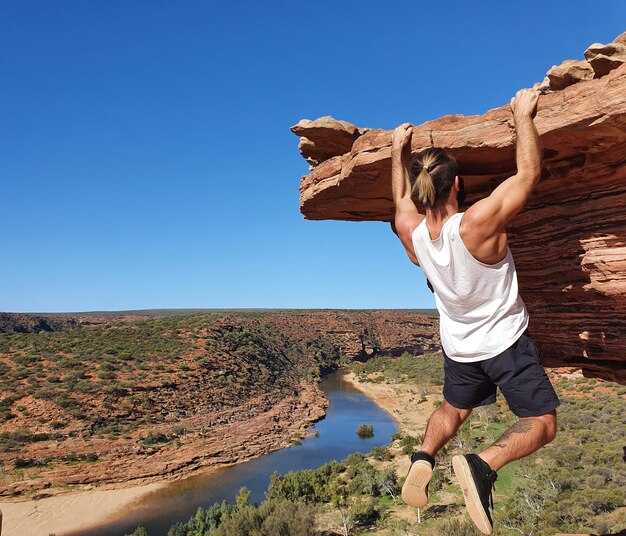
Begin with the base walk around Uluru instead of the climb. This base circle keeps you on solid ground and reveals the rock’s textures, color shifts, and wind-carved grooves from a close, respectful perspective. Plan your day to start at dawn or finish at dusk for the best light, and use a lookout stop to frame the rock in your photos.
Split your time across a few short routes. Rather than rushing a single long trek, combine two or three gentle circuits such as the Mala Walk and Kuniya Lookout, stopping for a quick break in a shaded square along the path. This keeps you moving, lets anyone in your group catch different light, and yields a deeper view of the rock’s textures and color–plus you’ll leave with a richer memory of beauty.
Dress for the ground realities and the angles of the sun. Slips of sun on the rock can be fierce; wear sunscreen, a hat, and lightweight layers. Evenings bring a cold bite, so pack a warm layer to cover your shoulders or arms. A small flashlight helps after dusk if you’re at a lookout or campground. If the lights died in a sudden storm, a headlamp becomes your reliable friend.
Choose your base wisely and spend your weekend wisely. Book a campground near Yulara or the Ayers Rock Resort precinct and map two comfortable nights. On the weekend, arrive early to secure a good parking spot and easy access to the base paths. Use that time to cover more ground and connect with guides at the visitor center for cultural context.
Respect the cultural context and plan where to learn. Uluru belongs to Anangu traditional owners; follow signs, stay on marked paths, and join a short cultural talk if offered. The park’s cultural centre and designated lookouts give you a chance to learn stories in a circle of interpretation. This is where you connect heart-first with the site’s meaning during a closed-climb phase.
Capture the moment with a calm routine and thoughtful timing. Check the daily forecast, arrive at a lookout before dusk, and stay until after sunset to see the sky shift through colors. Keep track of your water and keep a brisk pace to avoid overheating. The beauty here remains even when the climb is closed, and you can still spend a fulfilling day without feeling rushed. If you plan another visit, you can come again for a different light and even richer impressions.
Uluru Visiting Tips: A Practical Guide
Start with a base walk along Uluru’s base and join a guided tour to the rock’s viewing platforms. Once the climb is closed, the summit remains out of reach, but you still get dramatic textures and ancient art up close on the Base Walk and Mala Walk, with multiple views of the rock’s domes along the path.
The Uluru Base Walk covers roughly 10.6 km and typically takes 2.5 to 3.5 hours, depending on pace. Plan to start early in winter to enjoy mild mornings and cooler shade, then finish by midday. Pack plenty of water, sunscreen, a hat, and a light layer for chilly hours; the route is well marked and shaded sections appear along the way.
Book small-group tours to access key viewing points and hear stories from Anangu guides. Tours often include cultural stops near the gate and at Cultural Centre spots, giving you insights that enrich the viewing experience. In the cool of morning, these tours launch before the sun climbs, leaving time for additional viewing later in the day.
Stay at Yulara or book camp options nearby to minimize transport time. If you plan to camp, choose a site within the park’s designated campground; minimum planning helps you fit sunrise, guided talks, and a stroll through the gardens in the afternoon. If camping, bring nets for insects, a compact light, and a reusable water bottle; these spaces have been filled with visitors for years, so follow Leave No Trace and pack out everything.
If you are injured or mobility-impaired, stick to paved routes and use park transport between car parks and viewing areas. Head protection, sturdy footwear, and a small first-aid kit keep you safe on uneven ground. Always check the gate timetable before you head out and carry extra water in case of delays.
The gardens around the Cultural Centre provide shade, seating, and resting spots after your walk. Plan two viewing windows for sunrise and sunset to catch the rock’s color shifts; lights at nearby facilities should be dim during those moments to preserve the natural view. In winter, the air can be mild but nights meter cold, so pack a warm layer for evening stargazing.
Travelling to Uluru from Alice Springs or Ayers Rock airport offers solid transport options: tours, rental cars, or transfers to the park gate. If you have limited time, focus on a base-loop plan that includes sunrise and a Cultural Centre stop, then add a second day for a longer tour or extra walking. This approach keeps you well paced and filled with a rich, hands-on experience rather than chasing a climb that isn’t available.
Verify closures and adjust your plans with flexible day-by-day itineraries
Check officially posted alerts daily and map three flexible day-by-day itineraries you can switch to when the climb is closed.
When closures appear, they prompt you to stay near Uluru and pivot to alternatives such as the Mala Walk, Kuniya Walk, and the walpa path along the base; these experiences are sacred, accessible without crowds, and offer good views of the rock, and you can just take it easy while soaking in the colors.
Sample sequence: Day 1 focuses on the Uluru base circuit and a guided cultural talk; Day 2 visits Walpa Gorge with a short walk and a camel ride, then finishes with the Field of Lights (lights) at dusk; Day 3 reserves time for a relaxed Cultural Centre visit and a sunset at a different lookout, leaving space for something spontaneous if the forecast changes.
Mostly dry seasons help planning, but there’s variability there; closures can be a challenge, so if you need more time, extending your stay over the weekend gives you more options and time left to finish key experiences. If you stayed in the area, you could revisit places there and adjust the pace so you don’t feel tired.
Tips to keep plans smooth: check the official alerts, carry water and sun protection, pace yourself, and have a backup option for each day. They are driven by forecast and local advice, so you can adjust as needed. Use guided experiences to learn more about the sacred places, and consider a free stargazing spot after dark to extend your stay well into the night.
Sunrise, sunset, and alternative experiences to substitute the climb
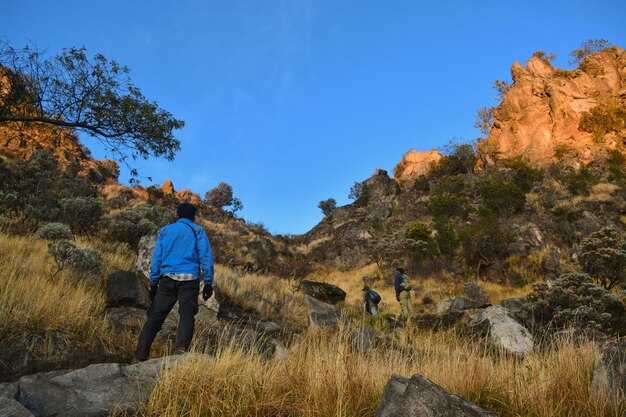
Skip the climb; when it’s closed, begin with a sunrise base walk around Uluru to see the rock glow at first light. If your wishes include a peaceful dawn, start earlier from the eastern base and circle the rock to find the colors shift from pink to copper and then to gold.
Where to watch sunrise: use the official sunrise viewing area along the eastern base or near the gate; the gate opened earlier that morning, so arriving early helps you secure a quiet spot with excellent views and nearby amenities.
Alternative experiences to substitute the climb include the Mala Walk with a guide to the Mutitjulu valley, a cultural talk at the Cultural Centre, and a series of short base walks that reveal rock markings and insights into cultures. natasha and cliona, fellow travellers, say these sessions offer practical tips and deeper connection.
Sunset options deliver a different rhythm: western-facing viewpoints near the campground provide quieter ground where you still witness the rock glow as the sun dips. These experiences support sustainable tourism for the region. Crowds were lighter than you might expect, and the light remains excellent for photography and reflection, then you can walk back to camp with a fresh air breeze.
Practical tips: carry cash for snacks and tips, and plan to purchase a map at the Cultural Centre. Choose a short and comfortable route, especially for adult travellers; wearing shorts or lightweight clothing helps in warm months, and pack water. If you want to maximize comfort, book a campground with excellent amenities and friendly staff.
Depending on weather and gate opening times, you can combine sunrise and a valley circuit to fill the morning. then plan your next stop, or reserve a short guided session that fits your group size and wishes, and where you want to go afterwards.
Hydration, shade, and weather prep when park facilities are limited
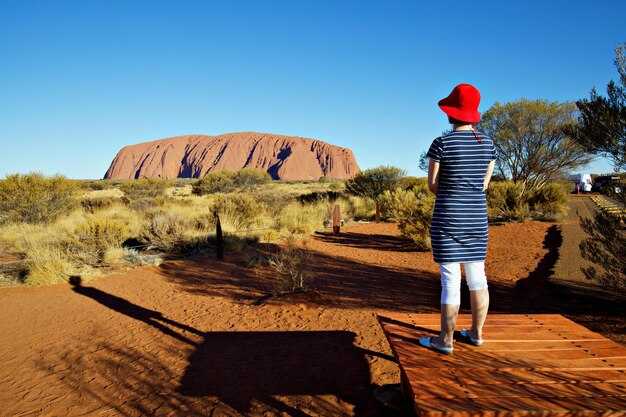
Carry 3–4 liters per person for a half-day and add another 1–2 liters on hot days; you were told to sip steadily, use electrolyte sachets, and avoid waiting until you feel thirsty. This need for regular hydration applies to everyone. Pack a reliable water bottle with a leak-proof cap and keep it within easy reach while you move between shaded places and viewing points, into the cooler moments of the day.
Plan shade first: seek natural shelters near rock overhangs or downtime at roadhouses and shaded viewing decks; a lightweight tarp can create a bedroom-sized shade space for a quick rest. Dress in breathable fabrics, a wide-brim hat, sunglasses, and sunscreen (SPF 50+). If you wear thongs, switch to sturdy sandals or shoes for rocky stretches, then slip back into lighter footwear for rests in shade. The striking red tones of the area make shade essential for comfort.
Weather prep keeps you safe: desert conditions are driven by sun and wind, so plan accordingly. Check the forecast each morning and carry a compact rain shell for sudden showers; pack a small fan or damp towel to help you cool down, and store valuables in a dry bag to protect devices and maps. Bring electrolyte drinks or sachets to restore minerals lost in sweat, especially if you plan activities into the afternoon; flies can be a nuisance, so a light net or breathable clothing helps you stay comfortable.
Culture and places: stay on marked paths to respect traditional owners and the shared stories around viewing areas; this approach makes downtime more comfortable and safer for everyone. For added comfort, spend time at places that balance shade and sun and keep water accessible as you move between short activities. Being mindful of etiquette during viewing ensures you can enjoy the culture without disrupting others.
Practical options: refilling at roadhouses is common, so plan to spend time there between drives; carry small change for ice and cold drinks, and note park gate hours to avoid missing cool air. If you have companions, share water tips and keep a single bottle system to reduce waste; you would appreciate a later start if the heat is strong, and this plan lets you enjoy the red-hued scenery while staying safe. As an option, bring a lightweight canopy to expand your shade area during longer downtime. This gives you the needed balance between rest and activity.
8 toilet stops and shops near Uluru: where to find supplies and how to access them
Start with Uluru base car park toilets for a quick refresh, then use these eight stops to rest, refuel and stock up. The area around Uluru offers an extraordinary mix of rocky formations and calm downtime, with options spread along Lasseter Highway and in the Yulara centre. Here are four toilet stops and four shops that make your year-round stay easier, whether you’re cycling between sights or winding down after a morning climb.
-
Uluru Base Car Park toilets
- Access: located near the main base car park, close to the start of the Mala Walk; clearly signposted from the park entrance.
- Why go: reliable public facilities for a same-day reset between stretches, especially on winter mornings when the air is cool and the ground is rocky underfoot.
-
Uluru‑Kata Tjuta Cultural Centre toilets
- Access: inside the Cultural Centre precinct; open during centre hours with well‑maintained facilities.
- Tips: after you’ve visited the displays, use these restrooms and grab water or a map before continuing your cycle or walk.
-
Yulara Town Centre public toilets
- Access: within walking distance of the bus stops and the Town Square; good for a mid‑day break while you’re in the village area.
- 备注:该区域位置便利,适合在上午活动和傍晚散步之间快速放松身心;同样的设施也一直被旅游团和骑行游客频繁使用。.
-
艾尔斯岩度假村公共厕所
- 交通:位于度假村内,从大多数酒店和旅游咨询台都很容易到达。.
- 提示:结合短暂的商店停留来装满水瓶和挑选零食,特别是如果要在中心区消磨时间或计划围绕乌鲁鲁地貌的夜间活动。.
-
尤拉拉购物中心(城镇广场)– 杂货和供应品
- 你会发现:一家主力食品店(Foodland/IGA)、面包店、药房和基本五金店;满足您在漫长一天后补充所需的一切。.
- 开放时间与交通:大部分早晨至晚上开放;中心有充足的停车位;价格比城市商店略高,但储备了您多日住宿所需的基本用品。.
- 提示:长途骑行返回住宿地时,带上一个小型冷藏包;计划在长途驾驶前备足物资,因为在公园多岩石的中心地带,选择有限。.
-
国王溪牧场综合商店
- 地点:位于乌鲁鲁和柯廷泉之间的拉塞特公路沿线;是临时购买零食、瓶装水和冰块的实用场所。.
- 开放时间:通常每日白天开放;虽小但备货充足,适合较长时间的自行车骑行和一日游。.
- 提示:如果您住在露营地,这里是装满水容器的好地方,还可以储备一些便于在观光一日后准备的晚餐。.
-
柯廷泉牧场综合商店
- 地点:位于拉塞特公路 (Lasseter Highway) 上,是前往乌鲁鲁 (Uluru) 或折返回爱丽丝泉 (Alice Springs) 的旅客可靠的加油和补给点。.
- 开放时间:从清晨到傍晚;提供燃料、零食、瓶装饮料和基本杂货。.
- 提示:期待友好的服务和实用的补给;如果您在崎岖的地形中度过了休息时间,并且需要为下一段旅程准备东西,这会是一个受欢迎的选择。.
-
艾尔斯岩度假村中心便利店
- 您会发现:度假村中心内一家小巧的商店,提供饮料、小吃、防晒霜、地图和旅行必需品。.
- 交通:对于入住度假村的客人,或是清晨或傍晚外出前需要快速补给的人来说,都十分便利。.
- 提示:可在进入公园前在此处购买应急物品;商品价格包含澳大利亚偏远地区溢价,因此请购买确定会使用的物品,以避免增加额外重量。.
像这样出色的选择可以帮助您高效地利用闲暇时间,让您可以专注于乌鲁鲁及其周围荒凉景观的非凡景象。只需稍加留心,做好充分准备,您便能为住宿的各个方面做好准备,并在澳大利亚乌鲁鲁享受更顺畅、更轻松的旅程。.
智能交通、停车建议和当地旅游,助您充分体验旅程
预订从艾尔斯岩度假村出发的乌鲁鲁-卡塔丘塔环线导览游,高效游览亮点,提升观赏体验,增长知识,同时保持您的个人节奏。这种方式能让您在了解背景的同时聆听原住民历史,并欣赏黎明和黄昏时色彩的美丽。.
智能交通始于园区班车和度假村的巴士网络,它们都按可预测的时间表运行。如果您开车,请将车停在文化中心附近的指定停车场,以缩短步行距离,并避免停在更远处的高价停车场。班车司机都经过培训,能够应对高温和拥挤的人群,从而使换乘快速而安全。.
停车费用因停车场和季节而异,请提前规划。高峰期请尽早到达,以确保在靠近基地步道的地点停车,然后乘坐班车前往岩壁。如果您入住度假村的房间,可以将您的游览与午间休息相结合,并在下午晚些时候精力充沛地返回。.
当地旅游拓展您的视野:由原住民导游带领的项目会分享历史、地貌影响和社群知识,通常围绕着乌鲁鲁卡塔丘塔进行。这些小团旅游体验强调尊重地观赏、个人故事讲述,以及在内陆地区确保安全的实用技巧,同时您还能了解这片土地和人民。.
时间和光照对观赏效果至关重要。选择清晨或傍晚,以获得最佳视野和更凉爽的环境;您会看到岩石表面美丽的倒影,并对景点的色彩有更深入的了解。如果您想建立更深层次的联系,请计划在一年中较安静的时段进行第二次短途旅行,这样您就可以放慢脚步,在不匆忙的情况下吸收周围的环境。.
为了方便地进行规划,请选择与您的住所或住宿时间相符的旅游线路,并提前预订,以免等待。如果您住在附近,从您的房间步行到班车站点可以简化后勤工作并保持您一天的行程灵活。请务必携带水、帽子和小地图,以帮助您在各个观景点之间穿梭,并充分利用您的时间。.