


 አማርኛ
አማርኛ  English (UK)
  Русский
  বাংলা
বাংলা  العربية
  日本語
日本語  한국어
한국어  Magyar
  Norsk nynorsk
  Türkçe
  עִבְרִית
  Español
  Čeština
  Svenska
  Português
  Ελληνικά
  Suomi
Suomi  Nederlands
  Română
  Italiano
  Français
  Polski
  Українська
  Deutsch
  简体中文
简体中文  Slovenčina
  Српски језик
  اردو
اردو  Azərbaycan dili
  O‘zbekcha
 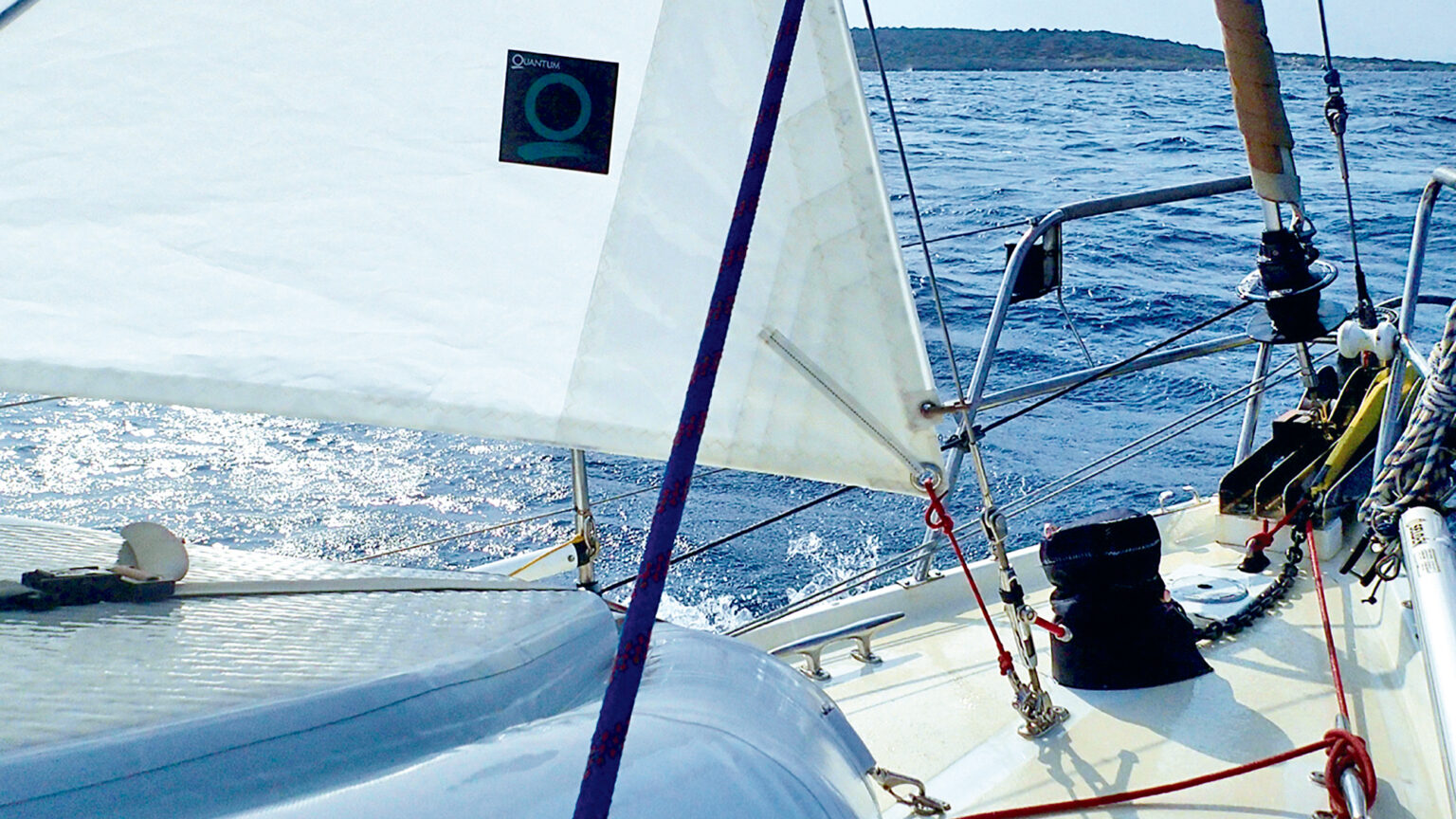 ማስት እና እስታንዲንግ ሪጊንግን በ1973 እ.ኤ.አ. አልቢን ባላድ ላይ ማሻሻል፡ ተግባራዊ እርምጃዎች እና ውጤቶች">

With the mast lowered and secured on five oil drums, all chainplates, backing plates, galvanised beams and deck eye bolts were removed for close inspection and replacement of the standing rigging on the 1973 Albin Ballad Moments of Clarity.
Initial inspection, corrosion control and logistics
After de-rigging, the metalwork was largely sound: the original chainplates required only removal of old caulking and cleaning. Small spots of surface rust on galvanised beams were abraded, then treated with two coats of epoxy primer and finished with two coats of single-component metal paint. The mast lay on the dock to simplify access and reduce crane time—an efficient logistic choice when planning haul-out windows and avoiding marina congestion.
Materials and preparatory actions
- Remove old caulking and visually inspect for porosity and fatigue marks.
- Sand surface rust and apply epoxy primer, followed by protective topcoat.
- Secure mast on stable supports (e.g., oil drums or padded trestles) for safe working clearance.
Installing an inner forestay: purpose and procedure
An inner forestay was fitted to allow hoisting a hanked-on staysail in heavier weather rather than relying solely on a furling genoa. Furling genoas with foam luffs are less effective when more than three rolls are taken, so an inner forestay improves short-handed and solo-sailing options for long passages.
Chosen fittings and DIY steps
The Seldén ‘O’ fitting was selected for its simplicity and robustness. Installation involved creating oval openings in the mast using drill bits and a Dremel, applying Duralac anti-corrosion paste to mating surfaces, and riveting the fitting in place. The sequence kept the mast accessible for follow-on wiring and halyard re-termination, streamlining supply-chain coordination for parts and minimizing downtime.
Checkstay backing plates and choice of terminal
Backing plates for checkstays were fitted using Seldén plates suitable for T-terminals. The installation was riveted into the mast wall and outfitted with T-terminals offering fork ends. This configuration supports flexible choices of checkstay material: either 7×7 or 7×19 stainless wire, or a synthetic option.
- Wire: 7×7 or 7×19 — durable, compact for storage.
- Rope: ዳይኔማ — ultra-light, easy to deploy and stow for seasonal use.
Deck-side lead blocks are 72mm Seldén blocks mounted on Wichard watertight U-bolts with epoxy-supported plywood pads and stainless steel backing plates. Checkstays run through Spinlock XTS clutches and are tensioned with spinnaker winches; once clutched, winches are freed to trim sails.
Mast steps: positioning and installation
Aluminium folding steps by Mast Walker were chosen for weight, strength and appearance. The installation required drilling and tapping 60 holes, coating fasteners and step bodies with Duralac, and placing the top two fixed stainless loop steps near the masthead for secure footing when working aloft.
| ክፍል | Material/Brand | Purpose |
|---|---|---|
| Inner forestay fitting | Seldén O fitting | Hanked staysail attachment for heavy weather |
| Checkstay backing plates | Seldén | Secure T-terminals for adjustable checkstays |
| Mast steps | Mast Walker | Safe climb route to masthead |
| Deck support pad-eyes | 316 stainless backing plate | Load distribution for inner forestay support strut |
Mast support, core protection and underdeck structure
The deck pad-eye for the inner forestay was installed aft of the windlass and supported below by an identical pad-eye, creating a sandwich across the deck core. Oversized holes were drilled, core material removed where necessary, and epoxy resin injected to form a solid plug prior to final sizing—an effective technique to prevent water ingress and delamination.
Through-bolts and bulkhead reinforcement
Rather than replace or fully convert an inner bulkhead, the lower 25mm plywood section was epoxied and through-bolted to existing tabbing to accept the strut loads. A 3mm 316 stainless backing plate was trimmed to size and the support strut connected using swaged fittings and a rigging screw—re-using a Hasselfors stainless screw where suitable.
How the upgrades changed performance and cruising options
The inner forestay proved valuable for long-distance cruising. A hanked-on staysail of about 11m2 from ኳንተም ሸራዎች provides a working sail larger than a storm jib yet manageable for singlehanded work. Typical Aegean summer conditions—steep chop and gusty winds—are better handled with a reefed main and staysail while the genoa is furled, reducing hobby-hull slamming and improving average speed.
Key installation takeaways include choosing robust fittings, protecting core structures with epoxy plug techniques, and positioning hardware to match sail plan and deck layout.
These upgrades are relevant to those organising sailing itineraries or offering small-boat cruising services: reliable rigging reduces downtime, increases safety, and improves guest comfort on chartered passages or private yacht parties.
ጉልህ ነጥቦች: ፕሮጀክቱ ውጤታማ የሆነ የዝገት ቁጥጥርን፣ የተሻሻለ ሸራ ምርጫን ለማግኘት የውስጥ ፎርስቴን ተግባራዊነትንና የዴክ ኮርን ለመጠበቅ የሚያስችል አስተዋይ ከመርከቧ በታች ማጠናከሪያን ያሳያል። በጣም ዝርዝር ግምገማዎችና ሐቀኛ ግብረመልሶች እንኳን የግል ልምድን ሊተኩ አይችሉም። በጌት ኤክስፒሪያንስ ምክንያታዊ በሆኑ ዋጋዎች ከተረጋገጡ አቅራቢዎች ልምድዎን ያስይዙ። ይህ አላስፈላጊ ወጪዎች ወይም ብስጭቶች ሳይኖር በጣም በመረጃ ላይ የተመሠረተ ውሳኔ እንዲያደርጉ በተጨማሪም የአሳሽ ፍላጎቶችዎን የሚያሟሉ ምቹና ተመጣጣኝ አማራጮች እንዲሁም ሰፋ ያሉ ተጨማሪ አገልግሎቶች ተጠቃሚ እንዲሆኑ ያስችልዎታል። አሁን ያስይዙ GetExperience.com
በማጠቃለያ፦ በዚህ የ1973 የአልቢን ባላድ የመርከብ ምሰሶ እና ቋሚ መቆሚያ ማሻሻያ ጥንቃቄ የተሞላበት ሎጂስቲክስ፣ ዝገትን መከላከል፣ የሴልደን ዕቃዎች፣ የዳይነማ አማራጮች፣ የማስት ዎከር ደረጃዎች እና የተጠናከረ ከመርከቧ በታች መዋቅርን በማጣመር ደህንነቱ የተጠበቀና ሁለገብ ሸራን ያቀርባል። ውጤቱም የጉዞ ልምዶችን ያሻሽላል፣ እንደ የጀልባ ግብዣዎች እና ለዝግጅቶች የተለዩ የጀልባ ቻርተሮች ያሉ የጀብድ እንቅስቃሴዎችን ይደግፋል፣ እና በተፈጥሮ ከመደበኛ የጉዞ ፓኬጆች እና የቅንጦት የጀብድ የጉዞ ልምዶች ጋር የሚገናኝ ሲሆን ለአካባቢ ተስማሚ የሆኑ የዱር እንስሳት ሳፋሪዎችን ወይም የሙዚየም ጉብኝቶችን በቀጥታ አስጎብኚዎች ለባህር ዳርቻ ሽርሽር በሚያደርጉበት ጊዜም ተኳሃኝ ሆኖ ይቆያል። የመስመር ላይ ምናባዊ ጉብኝቶችን ወይም መስተጋብራዊ የሆኑ የመስመር ላይ የባህል ወርክሾፖችን እንደ የባህር ዳርቻ እንቅስቃሴዎች ቢያቅዱ እንኳ የመርከብ ማሰሪያ ሥራው ጥሩ ዝግጅት ሁሉንም የጉዞ ልምዶች እንደሚያሳድግ ያጎላል።.