


 简体中文
简体中文  English (UK)
  Русский
  বাংলা
বাংলা  العربية
  日本語
日本語  한국어
한국어  Magyar
  Norsk nynorsk
  Türkçe
  עִבְרִית
  Español
  Čeština
  Svenska
  Português
  Ελληνικά
  Suomi
Suomi  Nederlands
  Română
  Italiano
  Français
  Polski
  Українська
  Deutsch
  Slovenčina
  Српски језик
  اردو
اردو  Azərbaycan dili
  O‘zbekcha
  አማርኛ
አማርኛ 

从一个实用的计划开始:通过将消费分配到一张国内航班卡和一张本地体验卡,来获得一次双卡旅行。. 牢记里程:选择在秘鲁航线上能获得高额里程的计划,并在中途停留时间较长时确认贵宾室。. 下一个, ,将预订窗口设为紧张的 6-8 周,以锁定优惠票价和可靠的行程安排。.
选择一条紧凑的路线:从利马飞往库斯科,然后在乌鲁班巴山谷停留两天,并安排一日游前往圣谷。. 入住坦博遗址附近的旅馆,漫步于环形梯田,沿着山丘追溯古老石块的痕迹。. 再次, ,规划一个舒适的节奏,以在下次远足前节省高度。.
行李和装备, ,遵循一个简单的原则:只带一个单肩背包、一件保暖层和一件轻便的雨衣。大多数旅行者表示,携带两个小型随身行李的旅行非常顺利,这能让你在安第斯山脉的小镇中行动自如。如果你独自旅行,在同伴的酒店休息室里规划好会合地点,并在备忘录应用程序上记录下第二天的共享计划。.
来自导游和当地运营商的评价有助于完善您的计划。. 为未来几天确定一个灵活的时间表,旺季请尽早预订,并准备好备选方案,以防列车时刻调整。. 你又可以在库斯科地区的市场和乌鲁班巴的坦博遗址之间切换了。.
双卡秘鲁行程规划:核心路线、时间表和实用预订技巧

现在选择双核路线方案:将通过圣谷锁定马丘比丘作为A卡,以及将阿雷基帕与科尔卡峡谷作为B卡;这种双卡设置能让你的行程保持时尚、可预测和高效,并以一周行程为主干,适应航班、火车和当地交通。.
核心路线 A:库斯科地区和圣谷
- 将卡片 A 定位为你的高地焦点。以库斯科为基地进行海拔调整,然后利用圣谷枢纽(奥扬泰坦博、皮萨克)来尽量减少交通周转,并将时间留在安第斯山脉的中心地带。.
- 白天骑车穿过山谷,沿着通往马丘比丘的坡道小路攀登,但要做好计划,第一次出行要量力而行,避免疲劳。.
- 经认可的铁路选择(PeruRail或IncaRail)提供的Ollantaytambo-Aguas Calientes段车票有灵活的价格范围;请核对货币(索尔与美元),并选择最适合您的支付方式。.
- 库斯科和奥扬泰坦博的街道和广场是别致的拍照地点;入住位置优越的市中心酒店,可简化出发和抵达。.
核心路线B:阿雷基帕和南部门户
- 卡片B以阿雷基帕为中心,展示了堡垒式建筑,并通过南部通道将科尔卡峡谷作为引人注目的补充。.
- 探索阿雷基帕的街道,参观圣卡塔利娜堡垒,然后可以考虑前往科尔卡峡谷一日游,或是在奇瓦伊过夜,以便更深入地了解峡谷。.
- 南部替代门户:的的喀喀湖地区,欣赏高原风光;定价随季节和住宿等级而异,因此比较两张卡的组合,以锁定一个可靠的选择。.
- 阿雷基帕的酒店通常提供别致的庭院和便捷的航班服务;选择一家安全性可靠、楼梯便于行走的体面酒店,方便出行。.
为期一周的时间线示例
- 第一天:从休斯顿或其他枢纽出发,抵达利马,然后转机至库斯科;入住主广场附近的旅馆或酒店。.
- 第2-3天:库斯科适应性调整,游览广场周边的街道,参观皮萨克和奥扬泰坦博遗址;短暂的攀登和阶梯路段让这天轻松一些。.
- 第四天:清晨乘坐火车前往马丘比丘,在导游的带领下参观并攀登标志性的阶梯,傍晚返回库斯科。.
- 第五天:飞往阿雷基帕,在历史中心和武器广场进行轻松探索。.
- 第6天:科尔卡峡谷一日游,或选择的的喀喀湖作为第二个门户;在阿雷基帕或南部小镇过夜。.
- 第7天:返回利马或从阿雷基帕出发;审查双卡计划结果并根据航班时刻表的任何即将到来的变化进行调整。.
预订提示与实用指南
- 定价因季节而异;通常在淡季出发可以在铁路、火车和酒店方面获得更优惠的价格,并为灵活的取消条款保留更多选择。.
- 使用明确声明取消和重新预订规则的经认可的计划和运营商;比较双卡计划,以锁定价格和灵活性的有利组合。.
- 货币和支付方式:携带索尔用于街头购物,并携带一张卡用于支付酒店账单;库斯科和阿雷基帕的许多场所接受银行卡,但一些较小的商店更喜欢现金。.
- 保持双卡方案的组织性:一张卡处理卡A预订,另一张卡处理卡B预订,并将共享的备份信息离线保存,以防连接失败。.
- 枢纽之间的离港航班应安排缓冲时间;秘鲁国内航线可能因季节和天气而异,因此请寻找便捷的转机方案和备选方案。.
- 酒店:选择位于库斯科和阿雷基帕市中心的、体面的酒店;尽可能优先考虑具有可靠的无楼梯和无梯子通道的酒店。.
- 门户和连接:验证利马–库斯科和阿雷基帕–利马航线的可用性;部分火车和航班班次有限,请提前确认。.
- 徒步和攀登:规划清晨时段进入马丘比丘,以避开人群;适应性调整日有助于你发挥良好状态,尽情享受攀登乐趣,避免疲劳。.
- 需求调整:如果南部通道延长线即将开通,请提前预订酒店房间和火车票,以避免售罄期。.
- 交通方式:在官方网站预订火车座位,并以显示的货币支付;结合火车、国内航班和出租车出行,以实现高效转换。.
- 卡片安全:请将您的秘鲁旅行计划告知银行,以避免卡片被冻结;并携带一张备用卡,以防主卡在酒店或餐厅被拒绝使用。.
- 当你在日程中为天气、海拔和当地时间安排缓冲时段,你的计划才能发挥最佳效果;这能让你在高峰期和节假日期间保持灵活。.
- 定位:住在中心社区,缩短每日通勤时间,并尽量减少停机时间;这种选择有助于你在不感到疲劳的情况下覆盖更多区域。.
- 价格:务必比较捆绑选项(机票+火车票+酒店)与单独预订;您可能会发现组合套餐可以降低总体价格并节省时间。.
- 房屋结构:在阿雷基帕,选择靠近传统土坯房和堡垒区域的住所,以沉浸在当地文化中并减少交通。.
- 带着周密的计划出发意味着你可以根据日程变化或个人节奏进行调整,而不会失去动力。.
卡片 A:经典高地环线 – 库斯科、圣谷和马丘比丘
在库斯科开始您的旅程,入住两晚。 at a boutique hotel near the main plaza, featuring a quiet courtyard and a pace that keeps you rested after travel. York-based travelers can connect via Avianca, a member of the alliance, with routes that simplify getting to Peru. Check a trusted publication for route ideas and peek at tpgs for current tips on trains and guides.
The core of this circuit moves you from the altitude of Cusco through the Sacred Valley to Machu Picchu on a well-paced, day-by-day rhythm. In the Sacred Valley, carve out time in Pisac Market, Ollantaytambo fortress, and Moray to maximize culture without rushing. On departure, choose an express train to Aguas Calientes, mindful that seats are limited on the most popular windows; reserve seats early to avoid sold-out options. At Machu Picchu, a guided morning visit counts toward the experience, and you can add a short climb if your guide signs off on it.
Pricing and segment planning: a bundled package mixes hotel, rail, and entry fees, and pricing shifts by season. For a compact 6–7 day itinerary, expect a mid-range double occupancy range that can be adjusted with optional add-ons; many operators publish meal-inclusive options and upgraded train seats. If you travel with a credit card that offers Peruvian trip perks, check creditcardscom for issuer benefits, lounge access, and purchase protections. This route has been reviewed by guides and planners, and it is designed to be an accessible, unique destination for every traveler, with a few afternoon cocktails to unwind at a courtyard cafe when you land back in the city.
Getting there and on the ground: begin with a morning flight into Lima, then connect to Cusco; acclimate with breath practice and light activity on day one before heading into the Sacred Valley. The pace stays measured, with a balanced mix of storytelling and scenery, and a final photo-op at Machu Picchu that you’ll remember for years. The experience is impeccably timed, offering an alliance of culture, nature, and comfort that fits a wide travel segment.
Card B: Coastal and Amazon Extensions – Lima, Paracas/Nazca, and Puerto Maldonado
Recommendation: Begin in Lima as the opening gateway; this city provides the main gateways to Peru’s coast and rainforest, with Paracas/Nazca and Puerto Maldonado as connected extensions to meet your three-hub plan.
Lima base and hotel tips: Plan 3 nights in Miraflores or Barranco, selecting a property with suites and a courtyard for easy outdoor meals. The location keeps you within walking distance of the coast and dining, at a reasonable price with taxes disclosed. The least crowded mornings boost photos and strolls along the sea. Hotels often include breakfast, and some properties show taxes clearly at checkout. Use skyscanner to compare flight and domestic transfer times, and save a few links to properties for quick booking. This opening segment sets content and meeting points for the next legs.
Paracas/Nazca segment: From Lima, take a short flight to Paracas or a comfortable drive to the Paracas coast. Paracas offers boat tours to Ballestas Islands and dune activities; Nazca Lines can be seen via a compact flight as an optional add-on. If weather or schedules shift, keep the option to skip Nazca and spend more time in Paracas. For planning, prepare a compact, screenshot-ready day-by-day plan and share links to operators; this keeps your planning content accessible.
Amazon extension: Puerto Maldonado: Fly Lima–Puerto Maldonado and transfer to a jungle lodge on the Madre de Dios River. Look for suites, riverfront decks, and a courtyard or seating area where wildlife is common at dawn. A 2–3 night stay supports guided canoe trips, canopy walks, and wildlife watching, with a single-seat boat option if you want a private meet-up or rest time. The connection back to Lima may involve a same-day return or an overnight layover; choose the option that fits your schedule and energy levels.
实用规划笔记: Build a three-hub sequence, use guides and links to compare options, and check prices via skyscanner; look for free cancellation where possible and a clear breakdown of taxes. A little cushion in your budget helps with local costs and transit. For group trips, tpgs can align hotels and flights and reduce transfer complexity; toward a longer Peruvian loop, consider adding huchuy Qosqo as a cultural detour and antigua as a colonial contrast. Souvenir shopping often happens in punos or uros markets, so carry cash in small denominations. Keep a screenshot of the plan for quick reference, and review seat options and connections when you book to ensure smooth transitions between legs.
Timing and Weather: Best Seasons, Altitude, and Crowd Management
Choose April–May or late August–October for warm days, cool nights, and lighter crowds at landmarks like the incas sites. The weather is typically sunny in the mornings and crisp after sunset, with occasional showers in the shoulder months; flights operated by LATAM tend to run on time during these windows, improving planning for your outbound date.
Altitude matters: Cusco sits around 3,400 m; plan to arrive a day early and acclimate. If your date arrives and you move quickly to high places, take it easy on day one, avoid alcohol, and drink plenty of water. Staying in the Sacred Valley for a night can be a tranquil saver when you want a gentle start inside the highlands.
Crowd management: Start at first light to beat the crowds, book top sites like Machu Picchu and other incas landmarks in advance, and consider visiting smaller villages for a peaceful, tranquil experience. In the past, crowds were heavier in June–July, so choosing May–June or September–October can be a real opportunity to enjoy stunning viewpoints with fewer people. If a local guide is available, martin, his inside tips help you dodge lines and discover quieter corners.
Food and pace: Plan a light breakfast and consider quick snacks for the trail; in villages you may find crãpes and other local treats, often served inside a warm house. For a better experience, consider a flexible date and include a backup plan if weather shifts.
| 窗户 | 天气快照 | Altitude tip | Crowd note | Practical tips |
|---|---|---|---|---|
| May–Oct (dry season) | Sunny mornings, chilly nights; occasional dust; less rain | Acclimate 1–2 days; avoid high-altitude exertion on day 1 | Midweek visits calmer; first light reduces lines | Book Machu Picchu tickets early; pack warm layers; consider a night in Sacred Valley |
| Nov–Apr (wet season) | Showers possible; high humidity; trails can be slick | Hydration matters; pace yourself; portable rain gear | More visitors on weekends; mornings best | Carry quick-dry clothes; flexible plans; explore alternative routes |
Inter-Card Transit: Flights, Trains, and Ground Transfers Between Regions
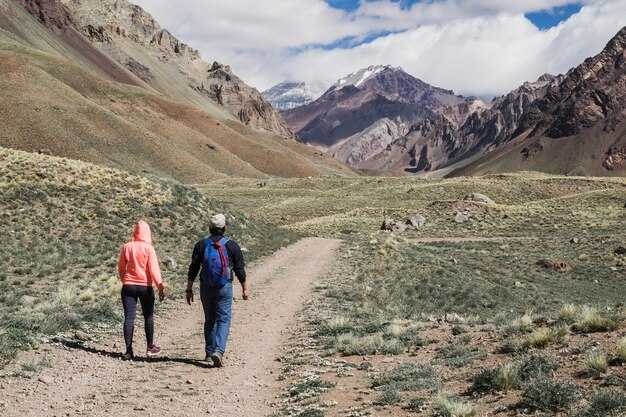
Book a three-ticket inter-card plan with a single agency to link Lima, Cusco, and Machu Picchu via flight, train, and ground transfer. This keeps connections clear, reduces baggage hassles, and minimizes the risk of missed steps between regions.
Flights
- Direct Lima (LIM) to Cusco (CUZ) flights run about 1h20m–1h30m; pick a morning departure to avoid traffic and to have a clear buffer for the next leg. When possible, choose a package that bundles flight with the next train, so the step from plane to rail is seamless; consult tripadvisor reviews to verify punctuality and service quality.
- For a broader southern loop, consider Lima–Arequipa and connect by train or bus to include the andes experience; this varies by season and weather, but can offer impressive scenery.
- Use oneworld or other major alliances when you can for easier international handoffs; select carriers endorsed by trusted agencies, and check the authors’ notes on transfer reliability in your itinerary.
Trains
- The classic route operates from Ollantaytambo or Poroy to Machu Picchu Pueblo (Aguas Calientes); durations are typically 1.5–2 hours, with frequent departures. A Vistadome option provides expansive views of the andes and located landscapes; this leg has been enjoyed by many travelers.
- Book early in peak months (november sees rising demand) to secure seats; the amount of space is limited on popular trains, and schedules can vary. Inspect tripadvisor and operator pages, and choose a service endorsed by a reputable agency.
- Upon arrival at Machu Picchu Pueblo, riders transfer by bus to the citadel; budget for 25–30 minutes more; this step is often the most photographed portion of the transit experience.
Ground transfers
- Airport-to-city transfers in Lima are straightforward with an official shuttle or private car; plan 45–60 minutes of transit, factoring in traffic and the November crowd fluctuations. Airport guards and staff help direct you to the right exit and vehicle.
- Intercity road transfers between regions (for example Lima–Paracas–Nazca or Nazca–Arequipa) require a full-day commitment; expect 6–8 hours on longer legs, with a quick stop to enjoy the scenery and stretch legs along the coast or desert; a reliable agency can arrange a secure driver and the right vehicle.
- Keep all ticket numbers ready and carry both digital and printed copies; this approach, recommended by authors of this guide, has been endorsed by many travelers as less stressful than piecing together separate tickets. If you plan a salvador extension, allocate extra buffer time between flights and ensure visa documents are in order; airport guards will verify documents at the gate.
Packing, Health, and Safety for a Two-Card Itinerary
pack a single carry-on and a personal bag with four outfits, a light rain shell, two pairs of shoes (one sturdy for machu hikes), sunscreen, a hat, insect repellent, and a compact first-aid kit. Your priority is fast airport transfers and flexible transitions between hubs for machu route and other spots. opinions vary on how much to pack, but this lean setup keeps you agile. Use packing cubes to keep gear organized and carry a printed copy of your two-card itinerary plus backup documents. For payments, prepare two cards from different networks and check creditcardscom for the ideal setup; keep a small cash buffer for markets and local transport. this lean kit lets you move quickly, and thanks to a compact bag you’ll be able to hop between neighborhoods without dragging bags.
Documents and gear: store your passport in a waterproof sleeve and carry printed copies of hotel bookings and emergency contacts; also save digital backups in the cloud. Pack a compact universal charger, international adapters, a portable battery, and offline maps on your phone. List important numbers in your notes and leave comments for teammates if you’re traveling with others. Use a bucket to separate clean clothes from dirty items inside the bag, and keep a small toiletries bag accessible in the personal item. For flights, Jetsmart offers value on internal legs; compare mileage options with Lifemiles or other programs to optimize the two-card route; a long sequence of domestic hops can still stay affordable with careful planning. Comments from veteran travelers support this approach.
Health and altitude: Cusco and the Sacred Valley sit at elevation, so hydrate often and sip electrolyte drinks daily. Start with light meals, avoid heavy alcohol the first day, and carry acetaminophen or ibuprofen and any prescribed meds. If you’re prone to motion or altitude issues, consult a physician before the trip and carry a simple pulse oximeter if advised. Pack a small thermometer and a basic first-aid kit for stomach or headaches. Current weather at coastal hubs can be bright and hot, so choose breathable fabrics and sunscreen, and adjust layers for Andean nights. Think ahead about snacks and energy boosts for long days on trails or walls and ruins, and monitor any signs of overheating at high-traffic sites.
Safety and neighborhoods: stay in well-lit, busy neighborhoods and use vetted transport options; avoid walking alone at night in unfamiliar areas. Keep valuables in a money belt or inside zipped pockets and photograph essential documents rather than carrying originals. Share your plan with a friend in york or another city and keep local emergency numbers handy. Use reputable guides and official maps; check current advisories from your hotel or embassy and read traveler comments from trusted sources to gauge safety, routes, and crowd levels. Maintain awareness near crowded markets and iconic spots to minimize pickpocket risk while still enjoying the energy of the streets. Visit a spot like the plaza to experience local energy while staying mindful of crowds.
Financial pacing and two-card strategy: this setup helps manage spending and rewards. Use credit cards from different networks to maximize protections and earn mileage and rewards; Lifemiles mileage can cover key legs if you book early and combine with Jetsmart or united routes. Track price trends and book early when possible; for big-ticket legs, compare price ranges across carriers and watch for promotions rather than paying premium fares. A practical rule is to set a daily budget and a bucket for surprises; if you hit the budget, switch to lower-cost activities like free museums on certain days and outdoor spots in bright daylight. The goal is a streamlined, adventure-friendly itinerary that leaves you with strong memories and a healthy financial balance for future trips. This approach can yield huge savings.