


 简体中文
简体中文  English (UK)
  Русский
  বাংলা
বাংলা  العربية
  日本語
日本語  한국어
한국어  Magyar
  Norsk nynorsk
  Türkçe
  עִבְרִית
  Español
  Čeština
  Svenska
  Português
  Ελληνικά
  Suomi
Suomi  Nederlands
  Română
  Italiano
  Français
  Polski
  Українська
  Deutsch
  Slovenčina
  Српски језик
  اردو
اردو  Azərbaycan dili
  O‘zbekcha
  አማርኛ
አማርኛ 
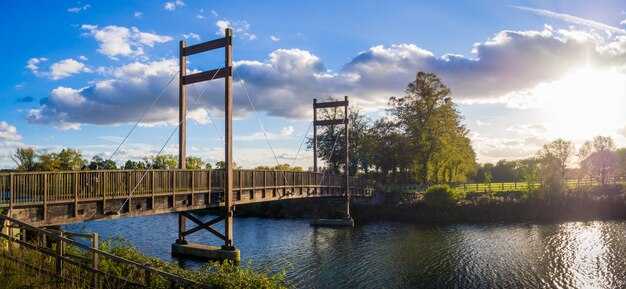
Plan holidays around a visit to this rotating canal transporter for pretty photos and precise 查看. From the park beside the antonine wall, you’ll watch vessels shift between two levels, and you can stroll along the path to capture pictures that show the motion.
Completely restored, this Scottish installation connecting two canal systems operates as a compact marvel and balances water and craft as they switch channels. The design uses gravity and counterweights; from the viewing area, you can observe how the arms lead vessels between the levels, a motion that feels both purposeful and graceful. This feature has become a centerpiece for visitors and locals alike.
Guided panels explain eleven key steps of the transfer, helping newcomers understand the sequence from approach to release. When open, signage explains the operation in concise terms, and the nearby park becomes a convenient base for a family day out during holidays.
Photography tips: capture pictures that emphasize the geometry of the two halves and the water’s movement as they balance between levels. The course along the riverbank offers multiple vantage points, including a broad view from the south bank and a closer look from the platform near the dock. Everything aligns to make a strong subject for a practical design course or holiday photo project.
Historically, towpath traffic relied on horses to tow vessels along the canal; you can imagine that energy in the rhythm of this mechanism, which preserves the sense of a working landscape even as it stands completely refurbished. If you’re after a quiet moment, watch the sunset light spill across the water and reflect on the engineering that keeps this corridor alive.
During maintenance windows, access to some sections might be closed to the public; plan around official hours to maximize your time. The signage leads visitors from the park toward the nearby visitor centre and beyond, providing a clear view of how a modern transport solution integrates with regional history and leisure. For anyone keen on architecture, a short stroll covers beyond everything you expect from a single public work, with viewing points that reveal the careful alignment of elements and the way a single mechanism connects spaces and people.
The Falkirk Wheel Explained: How the Rotating Boat Lift Works
Book a guided tour to witness a rotating caisson system in action; two balanced chambers swap vessels between levels with minimal water use, increasing connection between canals and taking visitors closer to the mechanism.
At roughly 115 feet tall, components rotate around a central axis, completing moves in a few minutes and transferring vessels that are lifted between canals.
Balance relies on two water-filled caissons, with kettles of water providing ballast, so movement needs minimal energy as water displacement equals weight within sustainable systems.
Following opening, this major development linked town and village via visitor routes; several trips each season help the site become more lively. In year one, visits climbed.
william, a local craftsman in nearby village, chose to run a book shop beside site and use displays that explain how each component takes up and distributes weight.
Details note dismantled sections replaced during routine maintenance; following year upgrades improved sensors and sustainable controls, alongside updated systems.
Paired lifts operate with counterbalanced caissons, moving vessels while maintaining low energy use.
To plan visits, book ahead, arrive early for a view at a designated turning, wear sturdy shoes, and note that shop staff can answer more questions about development and connection; totally worth the trip.
Submit a Review for The Falkirk Wheel: Steps and Tips
Visit official site, navigate to Reviews, click Submit. Attach 2–3 photos illustrating turning platform, water levels, and surroundings along village walk. Include visit date and a brief purpose. Caption each image with a concise note, e.g., “approach from quay,” “mid-turn view,” “edge paths at dusk.”
What to include in your review
From real perspective, start with a concise verdict: good or not, then details on accessibility, signage clarity, crowd level, noise, and cleanliness. Use a five-level rating if available, and specify which level fits your impression. Describe elements at each section: arrival, walk from village, approach from water, turning moment, and exit. Discuss materials and modern engineering features of the rotating waterway device, along with sculpture-like aesthetics of its surroundings. If anything seemed contaminated or poorly maintained, note it clearly and offer constructive improvements. Highlight biggest strengths and remarkably photogenic moments; provide practical data such as estimated walking time to reach access points, parking tips, and vantage points along paths. Reconnected with local stories along village paths.
How to post and engage
Follow submission guidelines, keep tone precise and factual, and avoid speculation. Include 2–3 observations and 2–4 photos to illustrate your points. Learn from other reviews by comparing perspectives from different worlds of visitors. youll see responses from moderators and other readers; use that as guidance to refine future notes. After posting, reply succinctly to questions and consider adding updates if seasonal lighting or access conditions change. Provide concrete tips for planning a visit, such as best walk from village and segway-style transitions between viewing areas, ensuring readers have a good sense of what to expect between sections.
Visitor Centre and Facilities: Access, Amenities, and Hours
Arrive early to secure tickets, and minimize queues for entry. Along a canal-side path youll reach a compact centre housing exhibitions, a café, cafés throughout the space, and core facilities designed for families and solo visitors. A flight of steps leads to mezzanine displays that explain engineering concepts behind a mechanical rotating lifting mechanism.
- Access and Mobility: Step-free entry via ramps; two lifts form a rotating mechanism linking floors; accessible toilets on ground level; clear signage along towpath; on-site parking with disabled bays; easy drop-off zones for buses and taxis.
- Tickets and Timing: Tickets can be bought on arrival or reserved online; discounted rates for families and kids; last entry times posted at reception; queue times typically shorter in early mornings and late afternoons.
- Facilities and Amenities: cafés, a shop, restrooms with baby-changing, device charging points; a dedicated kids zone with drawing boards; team designs emphasize accessibility and flow; rotating activities throughout peak times help keeping things engaging; kettles on counters provide hot drinks for visitors.
- Educational and Heritage Content: signage and panels reflect unesco-inspired themes while celebrating scots heritage; a drawing called william appears among panels to connect visitors with local history; places along canal network reconnected through improved access and wayfinding; taking a guided experience can reveal impact on local communities.
- Safety and Maintenance: contaminated areas are cordoned off during works; signage clearly marks restricted zones; on-site team coordinates cleaning and repairs to minimize disruption; throughout closures, guides offer alternate routes.
Hours overview: Opening times vary by season; winter schedule runs 10:00–16:00; spring through autumn 09:30–17:00; Sundays 10:00–16:00; last entry is 60 minutes before close; tickets issued with a time slot to manage crowd flow; start times are allocated to help smooth arrivals. For groups, booking ahead optimizes access, and youll find plenty of places to pause along reconnected pathways throughout the site.
Edinburgh Return from Falkirk Canal: Planning Your Trip
Start with following plan to ensure a smooth, budget-friendly return from capital to a central Scottish canal site. Take direct rail from Waverley to central hub near waterway, then short bus or taxi to site. youll want to allocate about two and a half hours, with extra time for rotation demonstrations and photo stops. West-facing sun can make lime-coloured approach look striking, so pick midday or afternoon window for best light. Distance from Edinburgh sits around twenty-five miles.
旅行物流
Following steps address size and budget: avoid paid parking by using public transit; consider a combined ticket if available; plan around busy weekends; budget around 12-18 pounds for train return plus local transit; reviews from visitors highlight flexibility around morning vs afternoon slots; site amenities are compact, everything you need lies within short radius, part of experience. Pride in industrial history shows; an architect designed lime details echo historic craft; centre and central alignment preserved.
现场提示
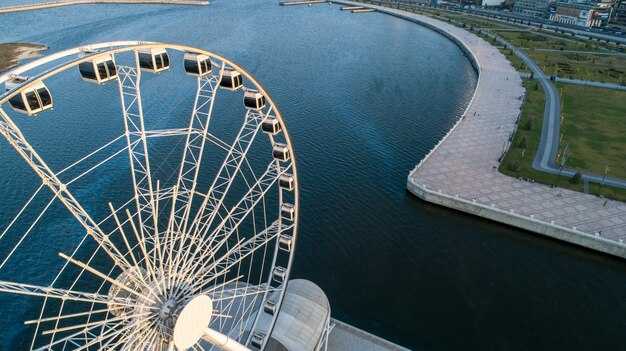
On-site specifics emphasize safety and visibility: headroom is ample for boats in rotation, with high clearance confirmed by signage; west-facing vantage points offer best angles for photography; a wheel-like mechanism rotates to lift water levels, rotation cadence varies with schedule; blocks of eleven minutes for a full cycle are typical. william leads a small, guided route that covers history, infrastructure, and practical aspects; rotation mechanics are explained by staff between 11:00 and 18:00, depending on charge schedules; you can reserve a spot on a short tour if available.
The Millennium Link Project: Origin and Significance
Walk along viewing decks, read signage, and follow turning rotation of caissons to understand a heavy cubic-water mechanism moving vessels between loch levels. Originating in late 1990s, this link revived two historic canals and connected toward Grangemouth, enabling continuous cruising and new tourist arrivals. The system operates with synchronized water-filled caissons, weights in tonnes, and cubic-metre water exchanges, cycling in roughly 90 seconds to shift vessels across a 24-metre rise. Drifters and locals alike gain unique viewing of rotating sections and marks of roman and industrial works along bank. This arrangement is a noteworthy part of regional identity, drawing visitors from nearby towns and distant shores.
Origin
Origins trace back to late-1990s momentum to connect inland water routes; engineers drew on roman drawing and later industrial works to plan safe, navigable link. Features include a pair of water-filled caissons, a rotating mechanism, and reinforced headroom to accommodate vessels. This effort created last-mile connection toward Grangemouth, as part of larger regeneration strategy, and extends onward to Union Canal, inviting tourist visits. youll read drawing plans and placards to understand how tonnes of steel and concrete are balanced to deliver smooth rotation.
Significance
Impact spans local economies, heritage interpretation, and movement of drifters and day-trippers. By linking worlds of inland travel, it reshaped viewing routes around lochside towns, offering reliable route for those arriving by road or canal craft. Features include gradual curves, headroom, and cubic balance to support long-term reliability. youll discover how milieu of industrial archaeology, roman-era engineering, and modern constructing collaborate to keep corridor open for year-round travel. This project remains a catalyst for tourist economies and connects communities from Grangemouth toward distant destinations, while still accommodating changing patterns of heading toward new routes.
The Falkirk Wheel Reviews: Visitor Feedback
Buy tickets online for the next available timeslot and arrive 25 minutes early; this helps you catch the short demonstration and still have time to wander the grounds where you can find viewpoints along the canal. In a busy week, booking ahead is worth it, and the central site is easy to reach from Grangemouth and the surrounding places. The turning mechanism moves between levels and the locks are connected to the canal network, with constant timing and clear facts on display to help you understand how it operates.
What visitors say
- Impressive engineering with clear facts presented at the visitor center; central location makes it easy to pair with canal walks and places such as a nearby castle.
- Well organized tours with constant safety checks; tickets are available on-site and online for flexibility.
- Most visitors find a difference between the canal network before and after seeing the turning mechanism; the experience feels connected and efficient, which helps drifters and locals alike.
- There are places to relax after the ride, including Celtic heritage signs and Elizabeth Café, all within easy reach.
- Families and drifters alike appreciate the family-friendly layout and the chance to explore the system behind this turning mechanism, with options to move on to other canal stops for them.
实用技巧和后续步骤
- Check timetable in advance and reserve your week slot; openings appear across the coming year and you can find a suitable time.
- Purchase tickets ahead to secure a spot; the ticketing system coordinates with Grangemouth transport and canal connections.
- Extend the visit to include a stroll along the canal, a stop at a nearby castle ruin, and Celtic heritage signs, making the day worth more than a single stop.
- Wear comfortable shoes; there are stairs and viewing points to catch good shots of the locks in action.
- After the experience, relax at Elizabeth Café or along the canal, and reflect on the difference this turning mechanism makes to the broader network.
Environmental Benefits of The Falkirk Wheel: Sustainability Highlights
Visit via rail to slateford and transfer to a linked service to nearby village during holidays to minimize emissions and maximize learning about sustainability benefits. This is a smart start for families with kids who want to explore history and unique engineering without heavy car use.
Gravity-driven operation with water-filled basins keeps constant energy input; a 60-minute rotation provides equivalent vertical movement without continuous pumping. This process remains efficient for years, and always worked across week days and weekends.
Loch-side layout and castle ruins enhance context, while eco-friendly design remains the focus: basins recirculate water, reducing intake from loch and limiting waste. Nearby habitats and the unique structure support wildlife while keeping water quality high.
Nearby sculptures line the canal and signal artistic heritage; families with kids visit week after week, and some prefer segway tours for a quick view. Roman remains and history signs tie ancient ingenuity to modern efficiency, which adds to this unique journey that appeals to village and slateford corridor. These sculptures and signals reinforce regional identity along canal.
Before upgrades, downtime weighed on operations; this system has worked for many years, remains reliable, and shows how next-generation design can keep boats accessible with minimal energy use. theres space to add educational panels that explain process and sustainability to visitors, and theres opportunity to improve year by year.
Operational Efficiency and Water Management
Material choices favor local sourcing near slateford, reducing transport emissions. The gravity-driven mechanism minimizes pumping energy, keeping energy use constant at a low level and supporting a predictable load during a 60-minute rotation.
Community Benefits and Local Heritage
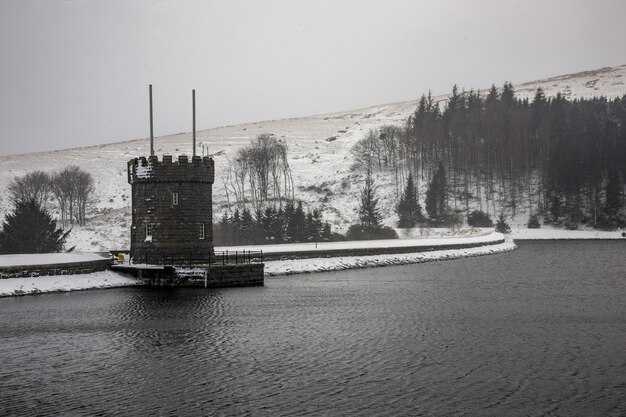
Public access is straightforward for families, schools, and tours. Weekly programs connect history and engineering with nearby castle sites, Roman-era remains, and sculptures along the canal, boosting holidays and weekend visits while supporting local businesses. Segway routes offer a compact view, while signage explains history and environmental safeguards to visitors.
| Aspect | Impact | Notes |
| Energy use | low, gravity-driven | 60-minute rotation; constant load |
| Water cycle | water-filled basins recirculate | reduces loch intake; supports biodiversity |
| Local economy | positive through holidays and family visits | slateford corridor, nearby castle draws |
| Public access | easy to reach by rail | weekends and school holidays; segway tours |