


 简体中文
简体中文  English (UK)
  Русский
  বাংলা
বাংলা  العربية
  日本語
日本語  한국어
한국어  Magyar
  Norsk nynorsk
  Türkçe
  עִבְרִית
  Español
  Čeština
  Svenska
  Português
  Ελληνικά
  Suomi
Suomi  Nederlands
  Română
  Italiano
  Français
  Polski
  Українська
  Deutsch
  Slovenčina
  Српски језик
  اردو
اردو  Azərbaycan dili
  O‘zbekcha
  አማርኛ
አማርኛ 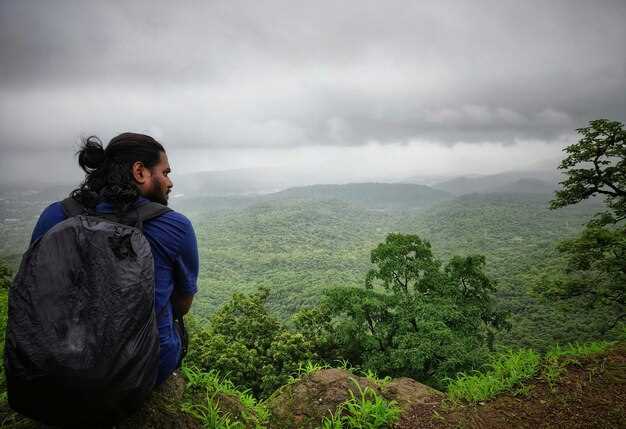 Solo Voyage to India – 6 Essential Tips for Traveling Alone">
Carry a compact daypack, a power bank, and a camera from the start. This list keeps you ready for long walks through street markets and side streets in places like kachchh or mumbai, and it helps you manage your status as a traveler. Bring offline maps and a lightweight translator; with a few key conversations that come easily once you know a couple of phrases in Hindi, Gujarati, or Marathi, you come across as confident rather than hurried. bang the plan out by tapping into a social network like columbia alumni groups or local clubs to make a few trusted contacts before you land. This path connects you with people across the world.
Stay visible and connected. Share your plans on a social channel with a trusted contact, and keep conversations updated daily during trips. In crowded hubs like Mumbai, walk with other travelers or join guided walks to meet locals and others. A lightweight power bank, a dual SIM setup, and offline maps keep you moving when data fades, so your momentum stays intact. This adds much peace of mind on quick changes in plans.
When you map a route, balance coastal vibes with regional scenes such as kachchh deserts or Mumbai’s harborfront. Do a walk in the old city at dawn for fresh snacks, then switch to a museum to cool off. This approach helps you read the rhythms of the region and share stories with others, enriching your experience. importantly, keep a simple plan in your phone listing nearby hospitals, embassies, and your accommodation in case schedules shift mid-trips.
Solo Voyage to India: 6 Must-Know Tips for Traveling Alone – 6 Anything Is Possible
Carry a compact power bank and offline maps from day one; arriving at the airport, you can locate your hotel quickly and avoid getting lost on a busy street at sunset.
-
Smart arrivals and safe transportation: pre-book a ride from the airport with a reputable operator; avoid unverified drivers or on-street offers; share your hotel name in the local tongue with the driver; budget for about 1 hour to reach a central area during the week’s first days.
-
Conversations with locals: stay curious but keep conversations brief at first; Indians welcome friendly chats in cafes and markets, but ask before photos and respect personal space; talk with shopkeepers, drivers, and fellow travelers to learn tips from thinkers who observe culture closely and can offer free advice.
-
Lodging and meals: pick rooms in well-lit buildings near metro stops; verify that the price is transparent and inclusive of taxes; if you share a table in a local eatery, you can save money and meet people; a blogger from rochester bought a pocket notebook to record impressions and costs, which helps after leaving the city.
-
Budget planning for the week: set a daily cap and track receipts for meals, transport, and a attraction; use cash in small denominations for markets and avoid big swipes on cards; carry a spare card and a photo copy of your passport.
-
Safety routine and daily rhythm: avoid walking alone after dark in unfamiliar neighborhoods; keep a phone with emergency contacts; arrange lodging in safe zones and leave copies of your passport at the hotel; during festival seasons you’ll meet crowds and watch for pickpockets.
-
Respect for rituals and local customs: cremation or funeral rites occur in many cities; observe from a distance, do not photograph intimate moments, and smile politely if you are asked to step aside; this approach helps you blend with indians during busy periods and shows respect for local practice.
Practical guide for planning, staying safe, and embracing solo travel in India
First, take a local SIM with data on arrival and download offline maps; plan your routes from the airport to your stay, so you spend hours in crowded spaces where taxis or auto-rickshaws overcharge.
Keep your attention on belongings in crowded markets; avoid flashy jewelry or gadgets, and leave extra cash in a separate bag to reduce losses when visiting busy areas in cities.
Choose a stay in a safe neighborhood in cities like mumbai, with 24/7 reception and a flat or private room option; a well-reviewed host or hostel makes solo travel easy.
For transfers, use official apps or pre-booked airport pickup; avoid hailing autos after dark, and learn the routes to your hotel during the first day so you stay in familiar zones where you can shop and eat confidently.
Tell a friend or two about your plan and share your live location when you move into new areas; meeting new people is fine, just keep conversations respectful and avoid sharing sensitive details.
Carry a compact first aid kit, sunscreen, a refillable water bottle, and a light wrap; drink bottled water in remote or coastal towns and monitor hours of operation for clinics in case of need.
Wear modest clothing at temples and mosques; following local norms helps you blend in while visiting busy places, and using polite greetings makes locals warm; this keeps solo travel bearable in crowded settings.
Budget for daily meals, transit, and occasional shopping; plan to spend on local meals and small souvenirs rather than expensive options, and avoid rushing into big purchases with no comparison at crowded markets; shop with awareness and patience.
Keep a flexible plan, stay curious, and remember that friends around the world won’t be far; visiting several cities broadens your perspective and keeps you energized for more trips.
Visas, permits, and health requirements for independent travelers
Apply for an e-visa online before you book trips in india. The official e-visa portal handles most nationalities for tourism, with simple online steps, an immediate payment option, and quick confirmation. This gives you advantage at border checks and lets you carry a printed copy of the approval along with your passport photo page. Bookmark the site on your phone so you can access the number on arrival.
Permits and entry: carry your passport valid for at least six months from your date of entry, with two blank pages. Print or save a PDF of your e-visa approval and bring it with you; at entry you may be asked for onward travel details and your hotel address. At immigration you’ll likely use the international line; theyre usually efficient if your documents are organized. Some airports require biometric data for visa holders–have a clear photo of your passport ready on your device or printed.
Health requirements: routine vaccines should be up to date; Hepatitis A and Typhoid are commonly advised for travelers, and Hepatitis B is worth considering for longer stays or close contact with locals. Malaria risk varies by region, so plan region-specific protection; carry insect repellent, a basic medical kit, and any prescription meds in their original packaging with a doctor’s note if needed. Travel medical insurance helps cover emergencies; costs for basic care in major cities are bearable, though private clinics in some areas can be pricier.
Practical tips for independent travelers: book key parts of your routes in advance–trains in india can fill quickly, especially on popular itineraries. dont rely on last-minute plans; use a reputable company or platform like klook to arrange long-distance trains, city walks, or day trips with licensed drivers. If you speak some language, you’ll navigate more easily, but you can also rely on an experienced local guide or a small company to in-country support. For a relaxed vibe, try a lassi at a street stall and walk outside the touristy area to see local life. A rochester blogger notes how sharing a photo with a driver or shop owner builds trust; theyre friendly if you stay courteous. Carry a copy of your travel documents, and keep a list of emergency contacts. If you want to compare options, a local company can offer you an advantage over solo improvisation, and theyre often better at avoiding scams. Some travelers appreciate a trusted, english-speaking driver who can help on multi-day trips, between cities, ships, and inland towns.
Smart packing: what to bring, what to leave, and packing hacks
Pack a single compact daypack and one versatile pair of footwear with a dress that works for day and evening. Keeping the load light over your shoulder makes navigating crowded trains and temples easy, so you can stay present with the people you meet.
Limit to five tops, two bottoms, one long-sleeve layer, a compact towel, and a small toiletries kit. For Gujarat, include a long scarf to cover shoulders at temples, and choose dress options that blend with local expectations. Paying attention to fabric choices–lightweight, breathable fabrics that dry quickly–saves space and prevents overheating there. Keep it tight so you avoid leaving everything behind.
Leave behind bulky hair dryers, spare shoes, and heavy books; leaving behind heavy items lightens carry-on and speeds through vendor counters. Keep a small laundry bag and a separate pouch for dirty clothes so you stay organized when you arrive at a new stop and must switch outfits fast.
Packing hacks to maximize space: roll fabrics, use packing cubes, and stuff socks into shoes; tuck a compact rain shell in the bottom; use zip-lock bags for chargers and cables. This method gives you an advantage when plans shift or you need to adjust your activity for weather or crowds there.
Money and paying methods: carry two cards and a few credits separately; avoid keeping everything in one place; note vendor rates and haggle with care. Set a plan to rely on cash or mobile wallets, and store a small reserve away from the main wallet to reduce risk while you travel far from home.
Arriving solo: prepare a simple daily rhythm, outline your route, and share it with a trusted friend. When you are alone, even a basic map helps you stay oriented, and it becomes easier to say no to favours that don’t suit your plan or comfort level there. They themselves can adjust to local customs with a bit of curiosity.
Compact kit and personal care: keep a small change of clothes for unexpected rain or transit delays; a mini first-aid kit; sunscreen; lip balm; and a dental kit. Having something ready reduces stress when overbooking a day and helps you stay on track with your travel plan and safety there.
Safe travel habits: money handling, situational awareness, and scam avoidance
Carry your money in two places: a small local currency stash for street vendors and a spare card tucked in a different pocket. While traveling solo, youll cover your belongings and avoid flashing cash in crowded markets. Wearings practical clothes with hidden pockets helps, and use a secure pouch or money belt to keep notes and coins out of sight during busy hours.
Stay alert and know your surroundings to reduce risk. Keep belongings in view in markets, on trains, and at bus stops. Avoid loud phone use in crowded streets, and note the status of exits and meeting points near your destination. When you hear an aarti near the ganga, observe from a crowd rather than stepping away alone with your phone exposed. If something feels off, switch streets, head toward a well-lit shop, and join other travelers rather than walking solo.
Protect yourself from common scams that target tourists. If a person offers a shortcut or a free guide, decline politely and walk away. Always ask for fixed prices before meals or street food, and use official taxis or rideshare apps with visible ratings. Never reveal PINs or card details in public; count change aloud and verify receipts, especially when paying for street food or a dinner order. If a vendor pushes for a quick decision, take a step back and mark a new plan before you commit.
Learning from locals and fellow travelers improves safety and confidence. Helpful tips from hotel staff, shop owners, or other tourists can prevent waste of time and money. Have a clear plan for where to eat meals and what to order; know cold-weather tips to protect belongings in chilly evenings, and avoid leaving bags unattended on street corners. If you encounter trouble, having a calm reaction helps you move to a safer spot, almost always with the support of a reliable nearby shop or security. Amazing experiences await you when you stay aware, combine caution with smart decisions, and join others for activities around iconic spots like the ganga while you explore your destination.
Getting around: rail and road transportation tips for solo explorers
Reserve daytime trains in advance and pick the best class (2A or 3A) for comfort and safety. Use the official IRCTC app for e-tickets, keep a printed PNR handy, and take note of coach numbers. This makes rail travel easier and done with less stress. Typically, booking windows open 60 days before departure; many long-distance services offer onboard meals or a dinner option. When you’re in gujarat or anywhere else in the country, you can cover vast distances without fear of delays.
Rail travel tips: prefer trains with reserved seating and avoid unreserved coaches for solo explorers. Check live status on the official app, store a copy of your ticket, and keep your valuables secured. If you took a night train, use a lock and stay in a compartment you feel comfortable in. Tourists often appreciate a group or a companion; if you’re chatting with strangers, keep conversations brief. Dinner cars and meal options on many trains help you stay nourished without hunting for meals at late hours. They’re common at major hubs, which makes planning easier for first‑time travelers.
公路旅行:城际交通选择包括邦营巴士和带司机的私人出租车。在机场,使用预付费出租车柜台以避免多付费用。对于更长的旅程,租用带司机的汽车可以保持灵活性,并能游览目的地附近的小城镇。在古吉拉特邦,豪华巴士和固定班次连接着艾哈迈达巴德、苏拉特和瓦多达拉,方便一日游,非常适合初次旅行者。这种交通方式对游客和当地人都很适用。.
安全与计划:携带离线地图,锁好你的包,并保存证件照片。与你信任的人分享你的行程,并在笔记中标记旅行日期。如果感觉不对劲,向酒店工作人员寻求帮助,或转移到更繁忙的车站区域;你通常会找到友好的当地人或英国游客,他们很乐意提供建议。我很高兴分享这些建议,你可以在任何地方(包括哥伦比亚)将它们融入一个简单的计划中。你将更有信心地游览这个国家,一路结识乐于助人的人,并通过坚持光线充足的路线和团体出行选项来避免孤独的旅程。.
尊重交流的文化礼仪和语言基础
以合十礼和温暖的微笑问候,在给他人拍照或进入他人住所前务必征得许可。轻轻点头表示您已注意到对方的存在。.
准备好几句常用语:你好、请、谢谢、和对不起;在旅行时使用它们能让对话更轻松愉快。未经允许,请勿在脸书上发布他人照片。.
与印度人交谈时,以礼貌的问候开始,并在拥挤的地方保持声音平静。在市场和火车上,保管好自己的物品;在公寓或酒店里,遵守安静时间并遵守贴出的时间,并且小心对待他人的空间;未经询问,避免触摸属于他人的物品。如果您在寺庙或神社周围行走,请慢慢移动,避免堵塞入口。.
在火葬等场合,请保持肃穆的距离观察,避免拍照,并在气氛转变时 quietly 离开。.
如果陌生人问起你的旅行或去了哪里,简短回答,然后将话题引向中性话题。如果你曾经旅行过,你就会知道礼貌比旅游指南更受欢迎,所以保持友善和轻松;当有人提出要求时,你可以用简单的解释说“是”或“否”。你逛了城镇和市场,当你保持耐心并先倾听时,几乎每一次相遇都会更加顺畅。.
| Tip | Why it matters | Example |
|---|---|---|
| 未经他人允许,请勿拍照。 | 尊重隐私和知情同意 | “नमस्ते。我可以拍张照片吗?” 轻轻点头表示允许。. |
| 学习几个短语 | 更轻松地进行对话 | “当地语言中的”你好“和”谢谢” |
| 尊重火葬等仪式 | 在社区中表现出敏感性 | 请勿在仪式期间靠近或拍照 |
| 保管好个人物品 | 防止在拥挤场所丢失和拥挤 | 请贴身携带您的物品;请勿将物品留在无人看管处 |
| 解读社交暗示并作出调整 | 避免在公共场所产生误解 | 如果有人寻求帮助,请礼貌地回应并在需要时转移话题。 |