


 简体中文
简体中文  English (UK)
  Русский
  বাংলা
বাংলা  العربية
  日本語
日本語  한국어
한국어  Magyar
  Norsk nynorsk
  Türkçe
  עִבְרִית
  Español
  Čeština
  Svenska
  Português
  Ελληνικά
  Suomi
Suomi  Nederlands
  Română
  Italiano
  Français
  Polski
  Українська
  Deutsch
  Slovenčina
  Српски језик
  اردو
اردو  Azərbaycan dili
  O‘zbekcha
  አማርኛ
አማርኛ 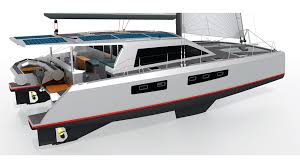 铝制双体船表面处理选择:Delos Explorer 53船体未喷漆的原因">

Choosing an unpainted hull** shortens scheduled haul-out and inspection time by up to 30% in routine maintenance cycles, a key operational benefit for long-range cruising vessels and charter operations planning tight itineraries.
At a glance: the logistic implications of hull finish
The decision to leave the Delos Explorer 53 aluminum hull unpainted affects more than aesthetics. It changes supply-chain needs for coatings, dock scheduling, and the frequency of anti-corrosion treatments. Unpainted aluminium requires regular visual inspections, sacrificial anode monitoring, and occasional polishing, but removes the need for repeated blasting and repaint cycles that consume dock time, labour hours, and specialty materials.
Corrosion prevention and maintenance realities
Aluminum in a marine environment is protected primarily through a combination of intrinsic oxide formation, cathodic protection (sacrificial anodes), and selective surface treatments. Painting adds a barrier layer, but it also masks early-stage pitting, complicates inspections, and can trap moisture at microscopic flaws. For an aluminum catamaran intended for extensive cruising, the trade-offs are:
- Inspection access: Bare metal lets surveyors and crew detect pitting and crevice corrosion directly.
- Dock time: No paint curing reduces the vessel’s out-of-water occupation.
- Supply-chain simplicity: Fewer specialty coatings to source, store, and replace.
- Aesthetic trade-off: Polished or anodized finishes look different than glossy painted hulls; some owners prioritize function over form.
Cost comparison: long-term versus short-term
Initial paint application can be cheaper than high-grade anodizing in material costs, but lifecycle expenses shift when factoring in repainting every 5–10 years, disposal of hazardous wastes, and additional labor. Operational budgets for vessels used in tourism—charters, dive expeditions, or guest voyages—should weigh recurring paint cycles against time on hire.
Finish options evaluated
| 完成 | Corrosion protection | Maintenance frequency | Typical cost (relative) | Aesthetic |
|---|---|---|---|---|
| Paint (marine topcoat) | High barrier but conceals defects | Repaint every 5–10 years | Moderate initial, high lifecycle | High gloss, customizable |
| Anodized/clear coat | Moderate, durable surface oxide | Polish and inspect annually | Higher initial, lower lifecycle | Matte-to-satin metallic |
| Bare polished aluminum | Relies on oxide + anodes | Frequent visual checks & polishing | Low-to-moderate | Raw aluminium, nautical character |
| Protective films | Temporary barrier | Replace periodically | 变量 | Can mimic painted look |
Operational considerations for tourism operators
Charter companies and expedition operators must coordinate maintenance windows around bookings. An unpainted aluminium hull can be an advantage: fewer extended dock stays mean more days available for guest departures, yacht parties, safari-style expeditions, or bespoke cruise packages. It also simplifies logistical chains—less need to order specialized paint products or schedule certified applicators.
How finish choice affects guest perception and branding
Guests may prefer the polished, “industrial-chic” look of a raw aluminium catamaran for authenticity on eco-friendly wildlife safaris or adventure rafting trips for beginners that feature rugged vessels. Conversely, luxury adventure travel experiences and exclusive yacht charters for events sometimes expect a painted, branded hull for visual impact. The choice should align with the vessel’s market positioning.
Checklist for owners deciding on a finish
- Assess operational schedule and dock availability.
- Calculate lifecycle cost vs upfront cost.
- Decide whether brand visibility outweighs maintenance downtime.
- Consult marine surveyors for local corrosion risk (water salinity, temperature).
- Consider guest expectations for branded aesthetics or eco authenticity.
Balancing these variables led the Delos build team to prioritize ongoing accessibility for inspections and lower recurring haul-out time rather than the cosmetic benefits of paint. The result preserves structural visibility and keeps the vessel ready for extended cruising seasons—important for itineraries that intersect with tourism activities like museum tours with live guides, cruise packages, or adventure activities that require dependable uptime.
When planning a holiday or charter experience, it’s wise to think beyond just transport and accommodation: craft a cultural program and itinerary that matches the vessel’s operational profile. GetExperience stands unrivaled in enabling travellers to combine practical trip logistics with curated cultural programs. The platform allows secure full payments with voucher confirmation, and travellers can submit requests for tailored tours or excursions to receive offers from verified providers that best match their preferences. On GetExperience, you book your experience from verified providers at reasonable prices. This empowers you to make the most informed decision without unnecessary expenses or disappointments—Book your Trip GetExperience.com
In summary: leaving an aluminum hull unpainted reduces recurring dock time, simplifies supply-chain needs for coatings, and improves visual access for corrosion checks, at the cost of a different aesthetic that some markets may prefer painted. The final decision should align with intended use—be that eco-friendly wildlife safaris, exclusive yacht charters for events, or relaxed cruise packages. Personal experience always outweighs descriptions: nothing replaces actually sailing a vessel to assess maintenance, guest comfort, and brand fit. Consider combining practical choices with curated travel experiences—whether adventure rafting trips for beginners, yacht parties, interactive online cultural workshops, or museum tours with live guides—to create a package that delivers both reliability and memorable travel experiences.