


 简体中文
简体中文  English (UK)
  Русский
  বাংলা
বাংলা  العربية
  日本語
日本語  한국어
한국어  Magyar
  Norsk nynorsk
  Türkçe
  עִבְרִית
  Español
  Čeština
  Svenska
  Português
  Ελληνικά
  Suomi
Suomi  Nederlands
  Română
  Italiano
  Français
  Polski
  Українська
  Deutsch
  Slovenčina
  Српски језик
  اردو
اردو  Azərbaycan dili
  O‘zbekcha
  አማርኛ
አማርኛ 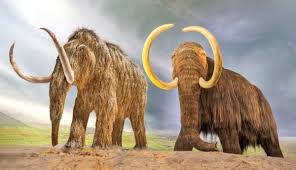 探索托马斯·杰斐逊对古生物学和早期美国科学的影响">

The Legacy of Thomas Jefferson in American Science
Thomas Jefferson’s vision extended beyond politics into the realms of science and natural history, where his curiosity played a significant role in shaping early American understanding of extinct species like the mastodon. His scientific approach helped ignite interest in the natural wonders of the New World and challenged prevailing European misconceptions.
Jefferson and the Age of Enlightenment
During the late 18th and early 19th centuries, Jefferson stood as a key figure of the American Enlightenment. He embraced the scientific method, advocating for reason and empirical evidence in exploring hypotheses. His roles—as governor of Virginia, ambassador, and U.S. president—offered opportunities to support scientific inquiry. Jefferson was particularly fascinated by Virginia’s natural history and later, the vast unexplored Louisiana Purchase territory.
Challenging European Notions of the New World
A popular European theory at the time suggested the Americas were a lesser environment, incapable of supporting large animals or advanced civilizations—a defeatist idea termed “American degeneracy.” This was notably promoted by the French naturalist Georges-Louis Leclerc, Comte de Buffon. Jefferson, however, aimed to disprove this claim by proving that the New World had a rich history of majestic creatures.
The Mastodon as a Symbol
Jefferson’s chief evidence was the American Mastodon (Mammut americanum), a massive prehistoric creature whose fossilized bones were often found at sites like Big Bone Lick in Kentucky. These fossils not only fascinated naturalists but also became a patriotic emblem symbolizing America’s grandeur and the continent’s capability to sustain large fauna.
Fossils and Expeditions: The Quest for Evidence
To gather more proof, Jefferson supported expeditions and fossil collections. He instructed explorers like Meriwether Lewis of the Corps of Discovery to bring back mastodon specimens. Though an accident led to many fossils sinking into the Mississippi River, Jefferson continued to back excavations, especially those directed by William Clark at Big Bone Lick. These efforts marked the beginning of vertebrate paleontology in the USA.
| 年份 | 活动 | Significance |
|---|---|---|
| 1803 | Louisiana Purchase | Opened Western exploration, including new fossil-hunting grounds |
| 1807 | Clark’s Excavation at Big Bone Lick | First formal fossil excavation in America, confirming mastodon existence |
| 1807 | Clark’s Fossil Collection to Jefferson | Provided foundational evidence of Ice Age extinct species |
Scientific Breakthroughs and the Reality of Extinction
The examination of mastodon fossils alongside related species by renowned scientists, including Georges Cuvier, introduced comparative morphology. This method compared anatomical features of extinct species like mastodons and mammoths with modern elephants. These investigations led to the acceptance of extinction as a natural phenomenon—an idea that was revolutionary, as it challenged long-held beliefs in an unchanging natural world.
Jefferson’s Hope versus Reality
Unlike some contemporaries, Jefferson hoped living mastodons might still roam the uncharted American wilderness, partly inspired by indigenous stories and his philosophical beliefs about nature’s perfection and evolution. However, the comprehensive scientific findings from Lewis and Clark’s explorations and the work of paleontologists confirmed that mastodons were indeed extinct.
Implications for Tourism and Cultural Exploration
Understanding this fascinating chapter in the history of science enriches cultural tourism focused on America’s natural heritage and exploration history. Sites like Big Bone Lick and museums that display mastodon fossils offer immersive travel experiences highlighting the intersection of science and early American history, perfect for history buffs and adventure seekers alike.
使用 GetExperience.com 计划您的行程
For travelers interested in delving into America’s pioneering scientific achievements, platforms like GetExperience.com provide a hassle-free way to book guided tours and museum visits. You can make secure payments online, receive instant voucher confirmations, and even submit custom requests to tailor your excursions. Whether you seek museum tours with live guides or interactive educational workshops, such services offer transparent pricing and a variety of options to fit your interests and budget.
Key Takeaways on Jefferson’s Mastodon Endeavors
- Jefferson’s curiosity bridged politics, science, and exploration, marking a foundation for American paleontology.
- The mastodon fossils disproved outdated European beliefs about the New World’s natural landscape.
- Excavations at Big Bone Lick were the start of formal fossil science in America.
- Extinction was confirmed through scientific approaches like comparative morphology, pioneering modern paleontology.
- These discoveries now enrich travel experiences tied to natural history and adventure tourism.
While literature and reviews can illuminate Jefferson’s role and the mastodon’s story, nothing beats witnessing the fossils and historical sites firsthand. Booking experiences through GetExperience.com ensures access to verified providers, affordable prices, and a diverse range of tours and educational programs. This empowers travelers to make well-informed choices and avoid any unnecessary disappointments on their journey through America’s rich natural past. 获得最佳优惠 on tours and excursions at GetExperience.com.
Conclusion: The Enduring Fascination with Jefferson and Mastodons
Thomas Jefferson’s dedication to science and exploration left an indelible mark on American intellectual history and the global understanding of extinct creatures like the mastodon. His efforts helped shape the young nation’s identity, proving the Americas were a land of significant natural wonders and scientific potential. Today, these stories inspire travel experiences that combine adventure activities, museum tours with live guides, and eco-friendly wildlife safaris, enriching visitors with hands-on connections to the past. Whether through interactive online cultural workshops or exclusive museum visits, engaging with this legacy opens the door to a truly unique adventure in American history and prehistoric discovery.