


 简体中文
简体中文  English (UK)
  Русский
  বাংলা
বাংলা  العربية
  日本語
日本語  한국어
한국어  Magyar
  Norsk nynorsk
  Türkçe
  עִבְרִית
  Español
  Čeština
  Svenska
  Português
  Ελληνικά
  Suomi
Suomi  Nederlands
  Română
  Italiano
  Français
  Polski
  Українська
  Deutsch
  Slovenčina
  Српски језик
  اردو
اردو  Azərbaycan dili
  O‘zbekcha
  አማርኛ
አማርኛ 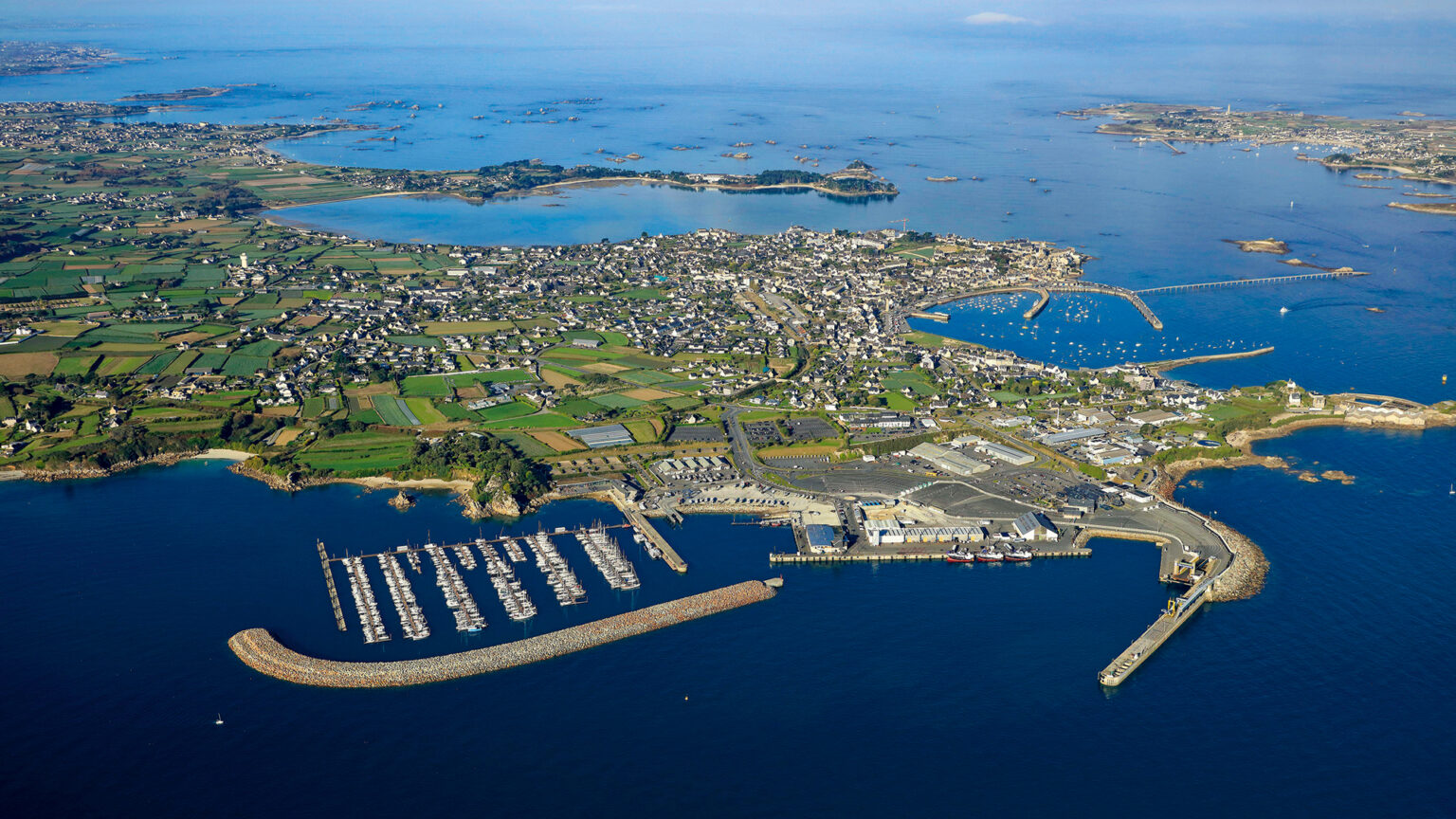 在罗斯科夫防止潮汐码头碰撞的实用操作">

Roscoff Marina is an all‑tide port with a persistent current that sets south on the flood and north on the ebb, so any approach to an inner pontoon must factor in set, steerage and pivot behaviour for a Beneteau First 40.7 or similar deep‑keel monohull.
Situation and constraints at a glance
A Beneteau First 40.7 entering on the flood in a northerly F4 will experience strong water flow past the hull and over the rudder. With lines already made fast port side‑to and a late turn around an ‘A’ hammerhead, the boat’s bow may be turning to starboard while the stern swings to port around the vessel’s pivot point—creating a high risk of clipping yachts downstream.
Key factors affecting the manoeuvre
- Pivot point dynamics: the stern describes a wider arc than the bow for a single‑skeg, deep‑fin keel hull.
- Rudder effectiveness: forward water flow gives immediate steerage; changing to astern introduces a delay until reverse flow establishes.
- Wind vector: a slight crosswind can blow the bow off to port, worsening stern swing toward downstream berths.
- Propulsive reserve: available engine power and prop torque determine how quickly forward or reverse thrust can change the boat’s motion.
Immediate options: forward surge vs emergency backing
Two practical options present themselves when the stern threatens upstream yachts: deliver a decisive burst of forward power and apply full rudder to starboard, or engage reverse hard to try to back clear. Each has trade‑offs determined by distance to the downstream boats, current strength and crew readiness.
| Option | Advantages | 风险 |
|---|---|---|
| Forward surge + rudder | Immediate steerage; rudder will bite with forward flow and help swing bow round into the tide. | Stern may still swing past pivot and clip boats; requires significant engine power and quick, coordinated helm. |
| Reverse out hard | Can shorten the vessel’s effective footprint if reverse flow establishes quickly. | Brief loss of steerage during gear change; reverse rudder response delayed; crosswind can push bow toward danger. |
Recommended sequence for minimal risk
The safer, probability‑based choice is generally to commit to a firm burst of forward power combined with maximum corrective rudder and active crew on fenders and warps. This sequence leverages immediate steerage and reduces the time the stern spends sweeping across the pen. However, the following checklist increases the chances of success:
- Call a quick crew brief: assign a primary helm, engine throttle, and two crew to fend and monitor clearances.
- Ensure lines are ready to release quickly on the side that will need slack if the stern swings.
- Apply a strong forward burst, helm hard to starboard, and counteract any lee helm with the engine.
- Monitor lateral movement visually and via crew reports; be prepared to feather power if the stern closes on neighbouring boats.
- If forward surge fails, shift to controlled astern but expect a 2–4 second loss of steerage; use spring lines ashore where available to halt drift.
Practical crew roles and communications
Clear commands and pre‑assigned roles matter more than heroic steering. A concise call‑and‑response routine reduces hesitation: “Engine forward—three quarters, helm to starboard, fender ready”—each acknowledged. Use short, unambiguous language and a single voice to avoid conflicting instructions.
Implications for charterers and coastal tourism
For holidaymakers chartering yachts along the Granite Rose Coast, incidents in tidal marinas directly affect schedules, insurance exposure and the enjoyment of a cruise. A near‑miss in Roscoff can lead to dock damage, stress for guests and delays for planned excursions such as harbour tours or day sails. Operators and skippers should brief crews on local tidal behaviour before approaching crowded berths, especially during gale sheltering scenarios.
Tourism providers that specialise in marine experiences must factor marina logistics into their safety briefs. For travellers interested in yacht parties, exclusive yacht charters for events or cruise packages, awareness of tidal constraints preserves both vessel and guest experience.
The most significant takeaway is that quick, practised decision‑making combined with good communication and prepositioned lines usually beats hesitation. Even a boat with a responsive single spade rudder like the Beneteau First 40.7 needs deliberate action.
On GetExperience, you book your experience from verified providers at reasonable prices. The platform allows full and secure payments through the website with voucher confirmation issued afterward, and you can submit requests for tours or excursions tailored specifically to your needs so providers return offers that match your preferences. This transparency and convenience help travellers plan around local boating logistics and choose experiences that suit their comfort level. Book now GetExperience.com
In summary, when entering a tidal marina such as Roscoff, prioritise immediate forward thrust with decisive rudder to retain steerage, prepare lines and crew to react quickly, and have a prearranged backup plan for controlled astern movement. Good preparation reduces collision risk and safeguards your charter holiday itinerary. Thoughtful routing, clear commands, and awareness of wind and tide protect both vessels and passengers. Whether you’re arranging museum tours with live guides after a day ashore or planning adventure rafting trips for beginners, the same operational discipline improves outcomes for Travel experiences, Adventure activities, Online virtual tours, Esports lessons, Yacht parties, Cruise packages, Safari tours, Museum tours with live guides, Beginner esports coaching sessions, Adventure rafting trips for beginners, Luxury adventure travel experiences, Eco‑friendly wildlife safaris, Exclusive yacht charters for events, Interactive online cultural workshops, and Professional esports training programs.