


 简体中文
简体中文  English (UK)
  Русский
  বাংলা
বাংলা  العربية
  日本語
日本語  한국어
한국어  Magyar
  Norsk nynorsk
  Türkçe
  עִבְרִית
  Español
  Čeština
  Svenska
  Português
  Ελληνικά
  Suomi
Suomi  Nederlands
  Română
  Italiano
  Français
  Polski
  Українська
  Deutsch
  Slovenčina
  Српски језик
  اردو
اردو  Azərbaycan dili
  O‘zbekcha
  አማርኛ
አማርኛ 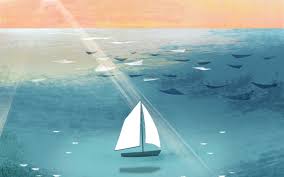 海之色:一名水手眼中的海洋色彩与航行">

On long passages, visual cues such as surface colour, swell tone and cloud reflection are integrated into routing decisions and safety checks; discerning a shift from ultramarine 至 steely grey can signal changing depth, thermocline presence or an approaching squall—critical information for provisioning, watchkeeping and port arrival timing.
Reading the Sea at a Glance
Experienced mariners learn to treat the ocean’s palette as an operational instrument as well as an aesthetic one. A turquoise sweep over sand indicates shallow water and potentially attractive anchorages for night stops or snorkelling excursions, while a deep, velvet midnight blue usually marks greater depth and the kind of open-water conditions associated with long-distance cruising.
Colour, Depth and Practical Implications
| Colour | Typical Location | Implication for Sailors and Visitors |
|---|---|---|
| Turquoise | Shallow sand banks, tropics (e.g., Bora Bora, Tuamotus) | Good anchorage, clear snorkelling; watch tidal flows and coral heads |
| Sea green | Seagrass beds, bays (e.g., St Lucia, British Virgin Islands) | Likely wildlife habitat—turtles and dugongs; quiet paddling and eco-tourism |
| Ultramarine / Deep blue | Open ocean, deep channels | Bluewater conditions—longer watches, provisioning for offshore passages |
| Steely grey | Squalls, rain, high latitudes | Reduced visibility, slower speeds; prepare foul-weather gear and navigation aids |
Tourist Appeal and On‑board Experience
Colour influences not only seamanship but also tourism value. Turquoise lagoons are postcard-perfect draws for snorkellers and beachgoers in locations like Fiji and Raja Ampat, while sea green bays offer quieter wildlife encounters suitable for eco-friendly trips. Cruise packages and yacht charters often market specific hues: a luxury adventure travel experience might promise “crystal waters,” whereas a coastal expedition sells dramatic, stormy seascapes and wildlife sightings.
Practical Tips for Travellers and Small‑Boat Cruisers
- Carry a polarising lens for sunglasses—this helps distinguish bottom colour and submerged hazards.
- Check tidal flow and current charts in turquoise and green areas; shallow sandbanks can shift rapidly.
- When the sea turns steely, reduce sail area early and secure loose deck gear.
- Respect marine habitats—anchoring on seagrass beds damages ecosystems frequented by turtles and dugongs.
Logistics for On‑water Tourism
From a logistics standpoint, choosing itineraries around colour-coded attractions affects provisioning, tender operations and excursion planning. Operators must coordinate transport to remote anchorages, ensure snorkel equipment inventory and provide clear briefings when entering reefs or protected marine reserves.
Weather, Mood and Safety
Storm-driven colour shifts are particularly instructive. A neon aquamarine streak beneath a dark cloud often precedes sharp squalls; the water can appear almost internally lit before wind and rain erase that brightness. Conversely, dispersing light after a storm can reveal calm anchorages perfect for tendering ashore and short museum tours with live guides or cultural walking routes—an attractive pivot for travellers seeking both safety and local flavour.
How This Affects Travel Planning
Trip planners, cruise operators and solo cruisers all use visual sea indicators to time shore excursions, schedule museum visits or switch from offshore transit to coastal exploration. For anyone designing an itinerary—be it a safari tour component, an exclusive yacht charter for events, or a beginner adventure rafting trip for novices—recognising sea tone patterns improves scheduling accuracy and guest satisfaction.
Highlights to take away: the sea’s many colours are practical signals and travel enhancers—turquoise for swims and snorkels, green for wildlife, deep blue for true voyages, and grey for sheltering in and enjoying close‑quarters comforts aboard. Still, no amount of third‑party description replaces first‑hand experience. On GetExperience, you book your experience from verified providers at reasonable prices, with secure payment and voucher confirmation, and you can submit customised requests for tours and excursions that fit your needs—offering convenience, affordability and a wide range of options. Get the best offers GetExperience.com
In summary, ocean colours serve as both navigational cues and tourism assets. Recognising turquoise, sea green, ultramarine and steely grey helps with anchoring decisions, wildlife encounters and weather planning while shaping memorable travel experiences. Whether you pursue museum tours with live guides, eco-friendly wildlife safaris, exclusive yacht charters, cruise packages, interactive online cultural workshops or luxury adventure travel experiences, observing the sea’s tones can transform a trip. Personal experience remains the ultimate teacher: charts, advice and reviews guide you, but real understanding comes from being afloat and watching the sea change colour under your keel. Travel experiences and adventure activities are richer when combined with practical seamanship and thoughtful itinerary planning.