


 简体中文
简体中文  English (UK)
  Русский
  বাংলা
বাংলা  العربية
  日本語
日本語  한국어
한국어  Magyar
  Norsk nynorsk
  Türkçe
  עִבְרִית
  Español
  Čeština
  Svenska
  Português
  Ελληνικά
  Suomi
Suomi  Nederlands
  Română
  Italiano
  Français
  Polski
  Українська
  Deutsch
  Slovenčina
  Српски језик
  اردو
اردو  Azərbaycan dili
  O‘zbekcha
  አማርኛ
አማርኛ 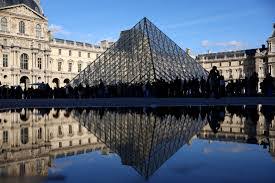 剖析卢浮宫的危机:罢工、安全漏洞以及全球访客量最高的博物馆的结构性困境">

The Louvre’s Deepening Crisis: An Overview
The Louvre Museum, renowned globally as a beacon of culture and history, is currently grappling with a series of profound challenges that threaten its daily operations and reputation. This iconic museum faces a complex mix of labor unrest, security failings, and structural vulnerabilities that together have pushed it to what some describe as a breaking point.
Security Breach and Its Fallout
One of the pivotal moments in this crisis was the high-profile theft involving crown jewels valued at over $102 million. Surprisingly, the thieves managed to escape within a mere 30 seconds during the heist, underscoring severe security weaknesses. Investigations revealed multiple breakdowns, including malfunctioning surveillance cameras—only one of two cameras covering the theft point was working—and insufficient monitoring of live footage by security personnel. Moreover, initial police response was misplaced, delaying intervention during these critical seconds.
This heist, apart from triggering a global spotlight on the Louvre, has ignited longstanding grievances among the staff concerning the museum’s handling of security and working conditions. Parliamentary inquiries have laid bare these gaps, mentioning audits from previous years that flagged these vulnerabilities but whose recommendations were not fully acted upon.
Structural Weaknesses and Operational Impact
The physical condition of the Louvre is also compromised. Portions of the centuries-old complex are being closed due to structural concerns, including fragile supporting beams in galleries, such as the Campana Gallery dedicated to ancient Greek ceramics. Staff have had to be relocated and some rooms closed indefinitely, affecting the visitor experience and safety.
Adding to the woes, incidents like water leaks damaging valuable historic books have been cited as examples of broader neglect. While ambitious renovation plans under the “New Renaissance” strategy aim to modernize the museum and alleviate overcrowding, progress has been critiqued for delays and an emphasis on high-profile projects over pressing infrastructure repairs and security upgrades.
The Labor Standoff: Strikes and Staffing Issues
The situation on the ground regarding staff has escalated dramatically. What began as a labor dispute intensified after the heist and structural revelations, leading to wildcat strikes that temporarily closed the museum. Workers have voiced concerns about chronic understaffing, deteriorating buildings, and management decisions. Despite Culture Ministry efforts to meet some demands—like cancelling planned funding cuts and proposing pay raises and more security personnel—unions have rejected these as insufficient.
The impact is evident in the museum’s reduced access routes. To continue welcoming visitors, the Louvre has opened a restricted “masterpiece route,” allowing limited visits to high-profile artworks such as the “Mona Lisa” and the “Venus de Milo,” but this highlights how far normal operations have been compromised.
Controversy Over Visitor Experience and Priorities
In response to overcrowding, plans have been suggested to create a dedicated room with a separate entrance specifically for the “Mona Lisa.” While proposed as a solution for improved visitor flow, this initiative has drawn criticism from unions who argue it reflects misplaced priorities, focusing on marquee attractions rather than addressing fundamental issues like staffing shortages and outdated security systems.
Concerns are also raised that such segmentation could lead to tiered access or increased prices, potentially altering the inclusive nature of the museum’s public offering.
Table: Key Issues at a Glance
| Issue | 说明 | Impact on Visitors |
|---|---|---|
| Security Failures | Malfunctioning cameras, delays in police response, and ignored audit findings | Decreased safety perception and potential artifact loss |
| Structural Issues | Fragile beams, closed galleries, and damage from leaks | Restricted access to some exhibits, disruption of tours |
| Labor Strikes | Staff walkouts over pay, working conditions, and building neglect | Limited opening hours, reduced visitor routes, crowded remaining galleries |
| Controversial Visitor Management | Proposal for a separate room for the “Mona Lisa” | Concerns over visitor flow, ticket pricing, and access fairness |
Rebuilding Trust and Vision for the Future
Leadership efforts to remedy the crisis include appointing experts with experience in heritage restoration and proposing immediate measures against intrusion. Still, confidence in museum governance has taken a serious hit, illustrated by management restructuring and ongoing union resistance.
Former officials have acknowledged delays in implementing security upgrades but have stopped short of full responsibility, revealing the complexity behind the institutional challenges.
Connecting the Dots to Tourism and Visitor Experiences
The Louvre’s current challenges highlight how even world-class cultural institutions are vulnerable to operational, security, and infrastructural pressures amid soaring visitor numbers. For travelers and culture seekers, this means a more cautious approach to planning visits, as well as a sharper awareness of how heritage sites balance protection with public access.
Understanding these dynamics is key when exploring cultural tourism, especially at such a landmark. Digital platforms like GetExperience.com can offer travelers tailored opportunities to engage with the museum and other attractions through verified providers, ensuring seamless bookings with secure payments and personalized tours that adjust to evolving access conditions.
Highlights and Takeaways
- The jewel heist exposed critical security flaws and triggered widespread institutional scrutiny.
- Structural defects have forced closures and jeopardized exhibit accessibility.
- Labor strikes reflect deep-seated dissatisfaction over working conditions and management decisions.
- Plans to improve visitor circulation focus heavily on marquee exhibits, sparking debate about priorities.
Despite detailed reports and analyses, there’s no substitute for personal experience—something every traveler longs for when visiting culturally rich destinations like the Louvre. On GetExperience, visitors can book experiences from trusted providers at fair prices, giving them the flexibility to discover the museum amid ongoing changes without hassle or disappointment. The platform’s transparency and convenience offer a great advantage, especially as services adapt to shifting conditions.
预订行程 于 GetExperience.com to explore a wide range of tours and cultural experiences tailored to your interests and schedule.
Conclusion: Embracing Cultural Heritage Amid Challenges
The Louvre Museum’s current predicament underscores the delicate balance between preserving cultural heritage and managing modern-day challenges of security, infrastructure, and workforce wellbeing. For travelers, it serves as a reminder that major destinations are dynamic spaces juggling legacy and innovation, visitor demand and conservation.
Successful navigation of these issues will shape future travel experiences, from luxury adventure travel to interactive museum tours with live guides, ensuring that the world’s treasures remain accessible and inspiring. Platforms like GetExperience.com play a vital role in connecting visitors with carefully curated tours, including online virtual tours and exclusive experiences, making cultural heritage both reachable and meaningful in an ever-changing global landscape.