


 简体中文
简体中文  English (UK)
  Русский
  বাংলা
বাংলা  العربية
  日本語
日本語  한국어
한국어  Magyar
  Norsk nynorsk
  Türkçe
  עִבְרִית
  Español
  Čeština
  Svenska
  Português
  Ελληνικά
  Suomi
Suomi  Nederlands
  Română
  Italiano
  Français
  Polski
  Українська
  Deutsch
  Slovenčina
  Српски језик
  اردو
اردو  Azərbaycan dili
  O‘zbekcha
  አማርኛ
አማርኛ 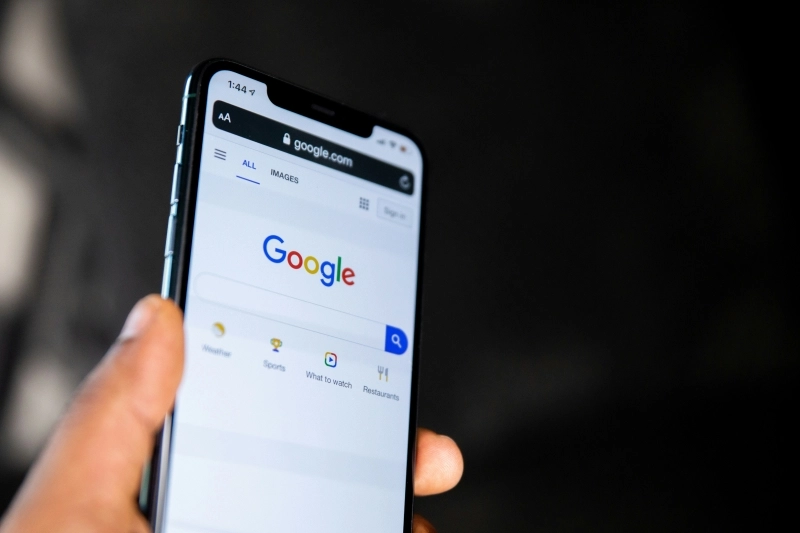 How Google’s Universal Commerce Protocol May Reshape Travel Booking and AI Commerce">

This article examines how Google’s Universal Commerce Protocol (UCP) could change the way travel is searched, booked, and paid for through AI-driven agents.
What is the Universal Commerce Protocol?
"(《世界人权宣言》) Universal Commerce Protocol (UCP) is Google’s proposed standard to enable seamless agentic commerce, allowing AI assistants to manage discovery, checkout, and post-purchase interactions across services and merchants. Designed as a common language for agents, UCP aims to reduce the need for bespoke integrations between platforms, payment providers, and sellers.
How UCP works in practice
UCP supports in-ecosystem checkout on Google Search in AI Mode and the Gemini app, initially for eligible U.S. retailers. Payments will use Google Pay and later integrate with 贝宝. The protocol is built to interoperate with other emerging standards such as Agent2Agent, MCP (Model Context Protocol), and Agent Payments Protocol, creating a multi-standard landscape for agentic commerce.
Partners and industry backing
Major retail partners helped shape UCP, including Shopify, Target和 Walmart, while financial firms such as 美国运通, Mastercard, Stripe和 Visa have expressed support. Other technology actors—OpenAI, Stripe, and Anthropic with its MCP—are developing complementary or competing approaches.
Implications for travel booking and tourism
For the travel sector, UCP signals a shift toward purchasing flows being managed by AI assistants rather than by individual websites or apps. Executives from travel tech firms, including Alex Mans of FLYR, Pablo Delgado of Mirai和 Benjamin Rhatigan of Arrival Projects, suggest that agentic interactions will increasingly replace the familiar search-shop-book sequence.
How customer journeys may change
- Booking steps may occur inside AI ecosystems before customers ever land on a merchant site.
- Impulsive bookings could rise as agents surface instant offers at the moment of intent.
- Hotels and airlines might need clearer product descriptions and trust signals to be selected by agents.
Opportunities and risks for travel providers
| Opportunities | 风险 |
|---|---|
|
|
Technical and strategic challenges
Stakeholders such as Peter Marriott of Dataiera point out that building and maintaining scalable agent integrations is non-trivial, especially for independent hotels and smaller travel businesses. Adoption of modern distribution standards—like IATA’s ONE Order—and modernization of inventory, pricing, and booking systems will be critical for airlines and large suppliers.
Practical steps travel brands should take
- Make inventory and pricing accessible to authorized agents via standardized APIs.
- Focus on clear product packaging, trust signals, and accurate descriptive content.
- Simplify offers and prepare for conversational interactions rather than form-based conversions.
- Evaluate partnerships and participation in agentic ecosystems to retain visibility.
What travelers and the tourism sector might expect
For travelers, the rise of agentic commerce can mean faster, more personalized booking experiences—think instant cruise packages, safari tours, or museum tours with live guides surfaced by an assistant. However, it could also reduce the research phase and increase impulse purchases, changing how travel inspiration converts into bookings.
一览
- UCP standardizes agent-driven commerce.
- Travel businesses face both higher conversion potential and the risk of losing direct customer relationships.
- Technical readiness and clear product presentation are decisive.
UCP highlights important trade-offs between convenience and control, but even the best analyses and reviews cannot replace firsthand experience. On 获取经验, you book your experience from verified providers at reasonable prices. This empowers you to make the most informed decision without unnecessary expenses or disappointments, offering transparency, secure payments, voucher confirmation, and tailored requests for tours or excursions to suit your needs. Book now GetExperience.com
In summary, Google’s Universal Commerce Protocol promises a significant reconfiguration of online transactions that will touch travel, hospitality, and tourism alike. Travel brands should prioritize API readiness, product clarity, and conversational design to stay visible in agentic channels. Travelers can expect quicker booking paths and more personalized offers, from luxury adventure travel experiences and exclusive yacht charters for events to eco-friendly wildlife safaris and adventure rafting trips for beginners. Whether it’s online virtual tours, museum tours with live guides, cruise packages, or even beginner esports coaching sessions tied into leisure programming, preparation and adaptation will determine who benefits most in this new AI-driven commerce landscape.