


 简体中文
简体中文  English (UK)
  Русский
  বাংলা
বাংলা  العربية
  日本語
日本語  한국어
한국어  Magyar
  Norsk nynorsk
  Türkçe
  עִבְרִית
  Español
  Čeština
  Svenska
  Português
  Ελληνικά
  Suomi
Suomi  Nederlands
  Română
  Italiano
  Français
  Polski
  Українська
  Deutsch
  Slovenčina
  Српски језик
  اردو
اردو  Azərbaycan dili
  O‘zbekcha
  አማርኛ
አማርኛ 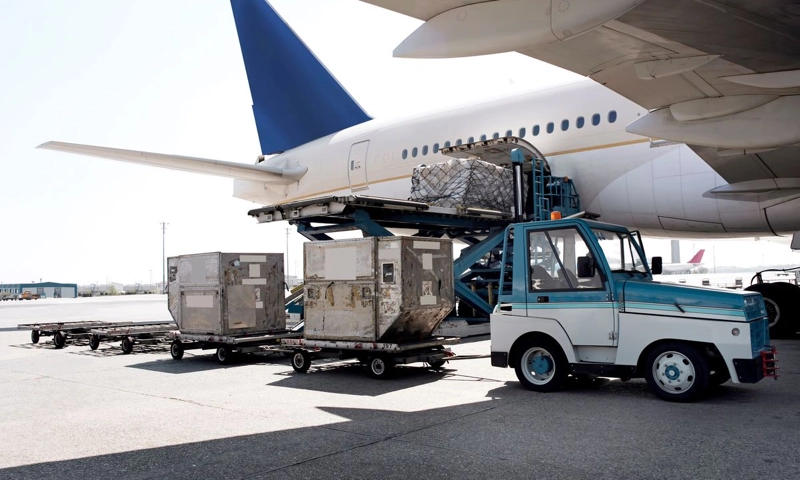 2026年强势开局:全球航空货运1月增长5.6%">

IATA reported that global air cargo demand rose by 5.6% year‑on‑year in January 2026, marking a clear uptick in freight tonnage moved by air compared with the same month last year. Passenger demand also showed momentum, with a separate indicator rising by 3.8% for the start of 2026, underscoring a combined recovery effect for both belly cargo and dedicated freighters.
Key figures at a glance
| Metric | January 2026 | 背景 |
|---|---|---|
| Global air cargo demand | +5.6% y/y | IATA monthly data |
| Global air passenger demand | +3.8% y/y | Indicator for Jan 2026 |
| Industry headlines | Record cargo volume in 2025; nominations open for IATA Diversity & Inclusion Awards; airlines pressing for lower Spanish airport charges | |
How the cargo rebound affects logistics and tourism
The rise in freight volumes has immediate implications for supply‑chain planners, airport operators, and tourism businesses. Strong cargo demand generally signals higher levels of trade and e‑commerce shipments, which in turn affects inventory planning for hotels, restaurants, and tour operators that rely on timely deliveries of goods from overseas.
Practical impacts on travel suppliers
- Hotels and F&B: more reliable delivery windows for perishables and premium items improve guest experience and reduce last‑minute sourcing headaches.
- 旅游运营商: increased capacity can lower costs for importing equipment for adventure activities, from rafting gear to specialized museum exhibits.
- Airports: a rise in cargo volumes may change apron allocation, customs processing times, and lead to investment in cargo handling equipment and warehousing.
Passenger‑cargo interaction
As passenger numbers recover (+3.8%), so does belly cargo capacity on scheduled flights. That mix matters: integrated networks of belly and freighter capacity help smooth seasonal peaks that affect everything from cruise packages and yacht parties to hospitality supplies.
Operational considerations for destinations and operators
Destination managers and local tourism stakeholders should have a mind to coordinate logistics calendars with expected freight flows. Planning methods include:
- Aligning high‑season procurement with cargo schedules to avoid delays in critical supplies.
- Building contingency inventory for luxury adventure travel experiences and eco‑friendly wildlife safaris that demand specialized equipment.
- Engaging with airport authorities and freight forwarders early when organizing large events—festivals, exclusive yacht charters for events, or cruise packages—to secure space and customs facilitation.
Industry moves to watch
Recent sector activity highlights broader dynamics: IATA’s calls for improved practices and recognition (e.g., Diversity & Inclusion Awards) are shaping the regulatory and reputational landscape, while airline advocacy around airport charges—such as the push for a 4.9% annual reduction in Spanish airport fees—could shift cost structures for both passenger and cargo services. Airline network decisions, like planned new routes (for example, announcements from operators such as Air Tahiti Nui) and lounge expansions (noted from carriers such as Delta), further influence capacity and travel demand.
旅行规划快速检查清单
- Monitor monthly IATA reports for cargo and passenger trends.
- Coordinate procurement and event logistics with forwarders early.
- Factor potential freight delays into contingency budgets for high‑value experiences.
- Consider local partnerships for warehousing and last‑mile delivery when offering niche tours or experiences.
Related trending topics at a glance
- Record global air cargo volumes recorded in 2025
- Calls for airport charge reforms
- Rising travel bookings in major markets
- New route launches and airport lounge investments
These logistics shifts will ripple into the tourism sector: more stable cargo lanes help secure supplies for hotels and tour operators, allow for reliable staging of museum tours with live guides and adventure rafting trips for beginners, and reduce the risk of cancellations for events that depend on shipped equipment.
Highlights: the uptick in air cargo and passenger demand signals healthier trade flows and more predictable supply chains for travel operators; yet statistics and reviews can only tell part of the story, because nothing replaces firsthand experience. On GetExperience you book your experience from verified providers at reasonable prices, with full and secure payments processed through the site and a voucher confirmation issued afterward; you can also submit requests for tours or excursions tailored specifically to your needs and receive offers from providers that best match your preferences. This convenience, affordability, and wide range of additional options help travelers and operators turn logistics stability into memorable Travel experiences. Book now GetExperience.com
In summary, January’s 5.6% rise in global air cargo and passenger growth of 3.8% indicate a strengthening transport environment that benefits tourism supply chains and traveler services alike. Stakeholders should use these trends to improve procurement timing, secure freight and customs support for events, and design resilient adventure activities and cultural programs. Whether you’re organizing luxury adventure travel experiences, eco‑friendly wildlife safaris, museum tours with live guides, interactive online cultural workshops, or even beginner esports coaching sessions tied to events, aligning logistics with demand will be key to success.