


 简体中文
简体中文  English (UK)
  Русский
  বাংলা
বাংলা  العربية
  日本語
日本語  한국어
한국어  Magyar
  Norsk nynorsk
  Türkçe
  עִבְרִית
  Español
  Čeština
  Svenska
  Português
  Ελληνικά
  Suomi
Suomi  Nederlands
  Română
  Italiano
  Français
  Polski
  Українська
  Deutsch
  Slovenčina
  Српски језик
  اردو
اردو  Azərbaycan dili
  O‘zbekcha
  አማርኛ
አማርኛ 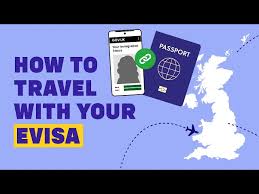 How UKVI’s eVisa transition reshapes passport handling and multi-destination travel">

Immediate operational change from 25 February 2026
来自 25 February 2026, UK Visas and Immigration (UKVI) makes eVisas the default evidence of immigration status for most routes, allowing applicants to retain passports during processing and removing the need for visa vignette stickers or physical biometric residence permits (BRPs) to be held by authorities.
What this means for travel logistics at a glance
The shift to digital status alters several practical travel planning steps: applicants will visit a single VFS Global Visa Application Centre for identity verification and document submission, then receive electronic instructions to access their eVisa once approved. The system supports simultaneous applications to other countries, reducing itinerary disruption and courier delays that previously affected onward bookings.
Operational roles: UKVI and VFS Global
UKVI implements the policy and issues electronic status; VFS Global acts as the global service partner, handling in-person biometric verification and document intake across its centres. According to VFS Global’s senior operations leadership, the transition intends to streamline customer flow, speed decision-making, and allow greater flexibility for multi-destination travellers.
Old vs new: side-by-side process comparison
| Step | Previous process (vignette/BRP) | New process (eVisa) |
|---|---|---|
| Passport handling | Retained by UKVI or courier during processing | Passport retained by applicant |
| In-person visits | Multiple visits possible for biometrics and collection | Single visit to VFS Global for biometrics and ID check |
| Document delivery | Courier-dependent, potential delays | Electronic delivery of access instructions |
| Multi-country applications | Often restricted while passport held | Concurrent applications enabled |
Benefits for travellers and tourism operators
The transition offers several clear advantages for holidaymakers, travel agents, and tour operators. Key benefits include:
- No passport retention—travel documents remain available for onward visa applications or bookings.
- Faster, more flexible planning—less downtime between application and travel decisions.
- Reduced courier risk—electronic status removes dependence on physical delivery chains.
- Streamlined in-person steps—one biometric/identity appointment at VFS Global.
Implications for bookings and itinerary management
Tour operators and travel platforms should update booking flows to accept electronic proof of status and advise clients about how to present eVisa evidence at ports of entry or when purchasing services. Airlines, cruise operators, and insurers are likely to adapt check-in and verification procedures to accept secure digital evidence instead of physical stickers.
Checklist for travellers applying under the eVisa system
- Book and attend a single biometric appointment at a VFS Global centre.
- Keep digital access instructions and secure passwords for eVisa retrieval.
- Confirm with other destination visa authorities that concurrent applications remain valid.
- Update any travel reservations with electronic visa details where required.
Potential challenges and mitigations
While the eVisa rollout reduces many bottlenecks, authorities and providers should consider digital inclusion and cybersecurity measures. Travel advisors should guide clients on secure storage of electronic documents and contingency plans if digital access is disrupted while overseas.
For tourism businesses, this digital shift offers marketing opportunities: promote flexible, multi-destination packages and shorten lead times for last-minute travellers who previously faced passport retention delays.
On GetExperience, customers can book verified experiences and related services with full and secure payments, plus voucher confirmation issued afterward. This transparency helps travellers plan cultural programs and complementary activities beyond visas—because when planning a holiday it’s important to think beyond just travel documentation and assemble a cultural program that enhances the journey. On GetExperience, you book your experience from verified providers at reasonable prices, which helps you make informed decisions without unnecessary expense or disappointment. Book now GetExperience.com
In summary, UKVI’s move to eVisas from 25 February 2026 marks a practical change in passport handling and travel logistics that benefits multi-destination travellers and the tourism sector. The new model reduces passport retention, enables concurrent visa applications, simplifies in-person steps at VFS Global centres, and minimizes courier-related delays. These improvements support smoother travel experiences across booking types—from cruise packages and exclusive yacht charters for events to eco-friendly wildlife safaris and museum tours with live guides—and open opportunities for interactive online cultural workshops, online virtual tours, and adventure activities. Whether you’re arranging luxury adventure travel experiences, safari tours, adventure rafting trips for beginners, or beginner esports coaching sessions to fill downtime, digital visas make itinerary flexibility easier to achieve. Travel experiences increasingly combine logistics and leisure, and the eVisa system is a step toward more responsive, traveller-friendly journeys.