


 简体中文
简体中文  English (UK)
  Русский
  বাংলা
বাংলা  العربية
  日本語
日本語  한국어
한국어  Magyar
  Norsk nynorsk
  Türkçe
  עִבְרִית
  Español
  Čeština
  Svenska
  Português
  Ελληνικά
  Suomi
Suomi  Nederlands
  Română
  Italiano
  Français
  Polski
  Українська
  Deutsch
  Slovenčina
  Српски језик
  اردو
اردو  Azərbaycan dili
  O‘zbekcha
  አማርኛ
አማርኛ 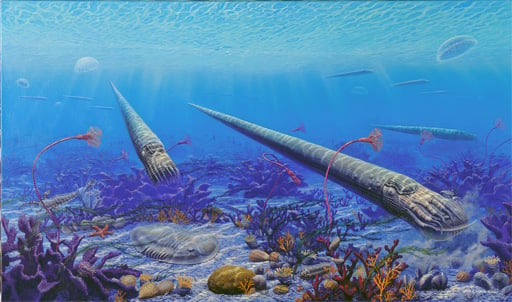 Unveiling Daniel Drake’s Impact and the Rich Fossil Heritage of Cincinnatian Limestone">

A Glimpse into Cincinnati’s Geological Treasure
For over two centuries, the fossil-rich rocks in Cincinnati, Ohio, have captivated scientists globally. These Late Ordovician rock formations, known as the Cincinnatian Series, offer a unique window into Earth’s ancient marine ecosystems dating back nearly 450 million years. Their fossils are so plentiful and well-preserved that spotting them in local streams or roadcuts is almost common, making the region a natural outdoor laboratory for studying pivotal events like evolution, climate shifts, and landscape transformations.
Daniel Drake: A Pioneer in Understanding Cincinnati’s Geology
In 1825, a landmark moment arrived when the American Philosophical Society published a letter from Dr. Daniel Drake, describing the geological wonders of the Ohio Valley. Written in 1817 but reaching wider audiences eight years later, this letter was the first formal reference to the flœts shell limestone found in the area—a fossil-bearing layer of limestone abundant with shells and lime. Drake’s observations weren’t just scientific notes; they marked a milestone that set the stage for extensive future research into Cincinnati’s fossil deposits.
Understanding the Landscape and Fossil Record
Drake described the slopes descending to the Ohio River, noting their exposed, almost bare cliffs that still appeared to be slowly breaking apart, suggesting that the sea once covered the region not long before his time. Using the term “flœts” to denote a distinct rock layer, Drake emphasized how these limestone beds preserved their horizontal alignment, implying they had not been subject to drastic earth movements. Although some of his ideas about the valley’s formation were corrected later, his pioneering work provided the foundation for understanding the ancient marine environment that shaped the area’s geology.
Cincinnati: From Frontier Settlement to Scientific Hub
Founded as “Losantiville” in 1788 and later renamed Cincinnati in 1790, this thriving city became the first major boomtown west of the Alleghenies. Its rapid growth from a small settlement to a bustling urban center by the mid-19th century set the stage for remarkable cultural and scientific development. Drake himself was not simply a geologist; he was a multifaceted thinker involved in medicine, botany, meteorology, and social reform. Among his many achievements was founding the Western Museum Society in 1818—Cincinnati’s first public science museum predecessor—which opened two years later and specialized in natural history, greatly enriching the city’s intellectual fabric.
A City Proud of Its Natural History
While universities were still young or absent in the region at that time, Cincinnatians showed strong curiosity and pride in their unique natural heritage. The abundant fossil sites served as a draw for amateur collectors and professionals alike, creating a vibrant community around the study of paleontology that persists today.
The Flœts Shell Limestone: Science and Legacy
| Aspect | Details |
|---|---|
| Rock Type | Fossiliferous limestone layer rich in shells and lime |
| Scientific Importance | Provides evidence of ancient marine environments and geological processes |
| State of Preservation | Remarkably undisturbed horizontal beds housing abundant fossils |
| Historical Reference | First formally documented by Daniel Drake in 1825 |
Drake’s early hypothesis correctly noted the extensive and relatively undisturbed nature of these limestone beds and their fossil contents, which testified to a sea that once covered the region. However, some geological conclusions were provisional, highlighting how early 19th-century science was evolving. Modern researchers benefit greatly from this groundwork while refining the intricate history of sea-level changes and tectonic events in the area.
Why This Legacy Matters for Tourism and Learning
The story of the Cincinnatian Series and Daniel Drake’s contribution is more than a scientific chronicle; it’s a fascinating tale inviting visitors to connect with Earth’s deep past. For travelers with a mind to explore, Cincinnati offers not only rich museum exhibits but also opportunities to witness firsthand fossil sites and geological formations that inspired a world-class tradition of natural history.
Platforms like GetExperience.com elevate this connection by allowing travelers to easily secure tours and customized excursions focused on Cincinnati’s paleontological heritage. The platform’s secure booking system, convenient voucher confirmation, and variety of personalized experience options ensure that visitors can plan their trips confidently and with expertise tailored to their interests.
Key Highlights of the Cincinnati Paleontological Heritage
- Over 200 years of scientific fascination inspired by Daniel Drake’s early studies.
- Vast fossil deposits accessible in local natural settings such as streams and roadcuts.
- A thriving marine ecosystem preserved in limestone from nearly half a billion years ago.
- Cultural significance as a foundation for Cincinnati’s public science museums and educational institutions.
- An enduring educational resource for visitors and scientists interested in Earth’s history.
Of course, no matter how detailed reviews or expert opinions may be, they can never replace experiencing these incredible fossils in person. When booking experiences via GetExperience, visitors gain access to verified providers offering quality tours at reasonable prices—helping them avoid unnecessary costs and ensuring meaningful, memorable adventures.
Book your trip to explore Cincinnati’s unique geological past and fossil treasures with confidence, affordability, and variety at GetExperience.com.
Wrapping Up the Cincinnatian Story
The legacy of Daniel Drake and the Cincinnatian Series highlights how paleontology not only enriches scientific knowledge but also deeply influences cultural identity and tourism. From the fascinating fossil-rich flœts shell limestone to Cincinnati’s rise as a center of learning and exploration, the story invites travelers and history enthusiasts alike to dive into an adventure that spans hundreds of millions of years.
Whether it’s museum tours illuminating ancient marine life, adventure rafting trips exploring Ohio’s scenic waterways, or interactive workshops delving into geological phenomena, the area offers a range of experiences geared to diverse interests. By connecting with these offerings, visitors become part of a continuing narrative—one where lessons of evolution, climate, and the Earth’s dynamic past unfold before their eyes.
Embracing this heritage through travel experiences, adventure activities, museum tours with live guides, and eco-friendly wildlife safaris makes learning both immersive and enjoyable. With trustworthy platforms like GetExperience.com to facilitate such journeys, uncovering Cincinnati’s paleontological wonders has never been more accessible or rewarding.