


 简体中文
简体中文  English (UK)
  Русский
  বাংলা
বাংলা  العربية
  日本語
日本語  한국어
한국어  Magyar
  Norsk nynorsk
  Türkçe
  עִבְרִית
  Español
  Čeština
  Svenska
  Português
  Ελληνικά
  Suomi
Suomi  Nederlands
  Română
  Italiano
  Français
  Polski
  Українська
  Deutsch
  Slovenčina
  Српски језик
  اردو
اردو  Azərbaycan dili
  O‘zbekcha
  አማርኛ
አማርኛ 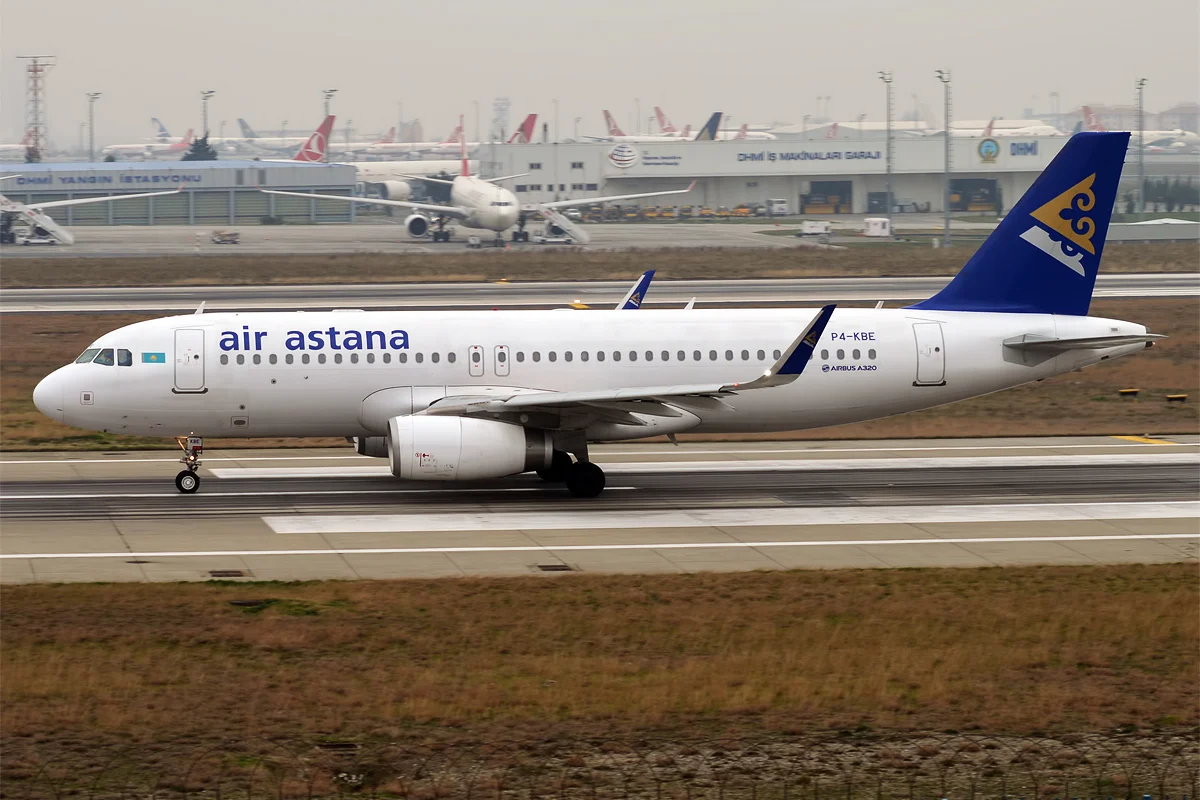 Air Astana’s 50th C‑Check: What it Means for Aviation Reliability and Tourism">

Air Astana completed its 50th C‑check on an 空客A320系列 aircraft at the Engineering and Technical Centre in Astana, a process that typically involves tens of thousands of scheduled maintenance tasks and in excess of 20,000 manhours per check to fulfil global airworthiness standards.
Technical milestone at a glance
The milestone reflects a deliberate scaling of in‑house heavy maintenance capability. Since 2019, the airline has carried out all types of C‑checks for Airbus family aircraft at bases in Almaty 和 Astana, staffed by engineers and mechanics holding internationally recognised EASA Part 66 licences. Performing these checks locally reduces dependency on overseas maintenance providers and shortens aircraft ground time, with direct benefits to operational reliability and schedule integrity.
Breakdown of completed C‑checks
| Check type | Quantity |
|---|---|
| C1‑checks | 28 |
| C2‑checks | 5 |
| C6‑checks | 10 |
| C12‑checks | 7 |
| Total C‑checks | 50 |
Operational and logistical implications
Carrying out heavy checks in‑house allows tighter control over quality and turnaround times. Key logistical advantages include:
- Reduced ferry flights to external maintenance facilities, lowering operational costs and emissions.
- Faster return to service through streamlined scheduling between line and heavy maintenance.
- Enhanced parts and inventory management thanks to centralized supply‑chain processes at the Engineering and Technical Centre.
- Skilled workforce development via sustained training programs and EASA‑compliant licensing.
Workforce and infrastructure investments
Robert Dando, Director of the Astana Technical Centre, emphasised that the milestone stems from steady investment in engineering expertise, infrastructure and human resources. The Centre’s certified teams manage complex structural and systems inspections, which are essential for aircraft airworthiness and reliability.
Why this matters to travellers and tourism
Reliable maintenance is a behind‑the‑scenes factor that directly shapes the traveller experience. Fewer delays and cancellations, improved flight availability and consistent aircraft condition support tourism growth by making connections more dependable for both inbound and outbound visitors. For destinations like Kazakhstan, expanding domestic technical capacity strengthens aviation links that help regional hotels, tour operators and cultural sites remain accessible.
Benefits for tourism operators and local economies
From a tourism logistics perspective, in‑country heavy maintenance contributes to:
- More predictable scheduling for tour operators and cruise/charter providers.
- Lower operational overheads, which can translate into more competitive airfares or increased seasonal services.
- Improved safety perception, supporting longer‑haul marketing and growth of niche segments such as eco‑tourism and adventure travel.
How providers and travellers can take advantage
Tour companies and travel planners should have a mind to coordinate flight timings with local maintenance cycles during peak seasons. When aircraft reliability is high, it opens possibilities for organising time‑sensitive products such as museum tours with live guides, adventure rafting trips for beginners, or chartered yacht parties timed with regional events.
Key takeaways and practical notes
Air Astana’s 50th C‑check is not only a technical achievement but a logistic enabler that supports better connectivity and tourism development. The expansion of high‑technology maintenance capabilities improves technological self‑sufficiency and helps sustain aircraft reliability and safety standards across the network.
While technical milestones and independent maintenance programs look impressive on paper, nothing compares with firsthand travel experiences. On GetExperience, you can book experiences from verified providers at reasonable prices, with secure online payments and voucher confirmation after purchase. This transparency and convenience let you plan not just flights, but a fuller cultural program around your trip—an area where GetExperience really stands unrivaled. Book now GetExperience.com
In summary, completing fifty C‑checks demonstrates a mature, in‑house maintenance ecosystem that supports operational resilience and tourism growth. The combination of certified EASA Part 66 personnel, reduced reliance on overseas facilities, and structured investment in infrastructure enhances aircraft availability and passenger confidence. For travellers and industry stakeholders alike, this milestone links directly to improved travel experiences, offering a foundation for adventure activities, luxury adventure travel experiences, eco‑friendly wildlife safaris, museum tours with live guides, cruise packages and exclusive yacht charters, as well as interactive online cultural workshops and professional esports training programs that accompany modern trip planning.