


 简体中文
简体中文  English (UK)
  Русский
  বাংলা
বাংলা  العربية
  日本語
日本語  한국어
한국어  Magyar
  Norsk nynorsk
  Türkçe
  עִבְרִית
  Español
  Čeština
  Svenska
  Português
  Ελληνικά
  Suomi
Suomi  Nederlands
  Română
  Italiano
  Français
  Polski
  Українська
  Deutsch
  Slovenčina
  Српски језик
  اردو
اردو  Azərbaycan dili
  O‘zbekcha
  አማርኛ
አማርኛ 
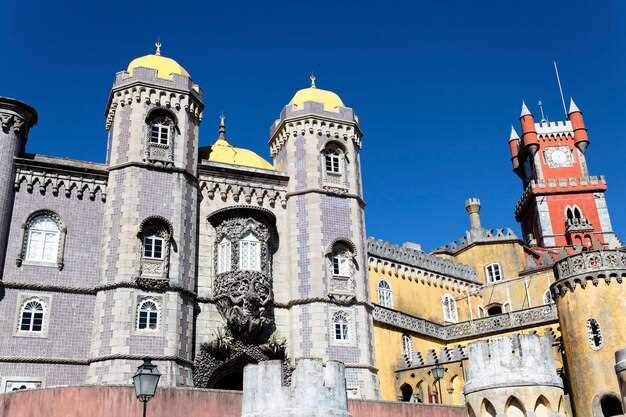
The Pena Palace, a breathtaking example of romanticism and architectural brilliance, stands as one of the most iconic castles in Portugal. Nestled in the lush hills of Sintra, this palace offers visitors a unique glimpse into the former royal life and the intricate details that were inspired by various styles, including Gothic, Manueline, and Moorish elements. Today, the palace serves as a testament to the artistic vision of its former inhabitants, particularly the Countess of Edla, who played a significant role in its transformation into the enchanting structure we see.
Constructed in the 19th century, the Pena Palace was ordered by King Ferdinand II, who aimed to create a romantic retreat for himself and his wife. As you explore its numerous routes and pathways, you will undoubtedly encounter the stunning chapel, whimsical clock tower, and the beautifully landscaped gardens filled with exotic trees and species. Although the visit may require tickets to be booked in advance, the experience promises an afternoon steeped in history and wonder, making it worthwhile for any traveler.
Beyond its architectural splendor, the palace is surrounded by the captivating ruins of the original 16th-century monastery of the Hieronymite monks, which adds another layer of historical intrigue. When you step through the entrance, the enchanting atmosphere transports you back in time, inviting you to immerse yourself in the tales of royalty and romance that echo through its hallowed halls. The Pena Palace stands not only as a symbol of Portugal’s rich past but also as a majestic marvel that continues to draw in visitors from around the world, eager to uncover its secrets and stories.
History of Pena Palace
Pena Palace, nestled in the hills of Sintra, is a remarkable example of 19th-century Romanticism in architecture. Initially rooted in the ruins of a former Moorish castle, King Ferdinand II commissioned the palace’s construction in the mid-1800s. The project aimed to transform the old monastery of Hieronymite monks into a dazzling retreat, serving as a summer residence for the Portuguese royal family. Today, this majestic castle stands as a national monument of Portugal, showcasing various architectural styles that fascinate visitors.
The design of the palace was entrusted to the German architect Ernst August Karl, Count von Eschwege, who infused his vision with Manueline elements and imaginative creations. The exterior flaunts vivid colors and intricate decorative patterns, with features such as the alabaster balconies and vibrant tiles that please the eye. Inside, guests can explore numerous rooms, each adorned with unique artifacts, legendary artwork, and elaborate furnishings that reflect the opulence of the time.
- Visitors can easily access Pena Palace through various transport means, with tickets available for online booking.
- It is recommended to explore the surrounding paths, which lead to beautiful views of Sintra and its enchanting landscape.
- The palace also features a charming chalet, offering a tranquil space to relax and admire the cultural heritage that Portugal has to offer.
Origins of the Palace
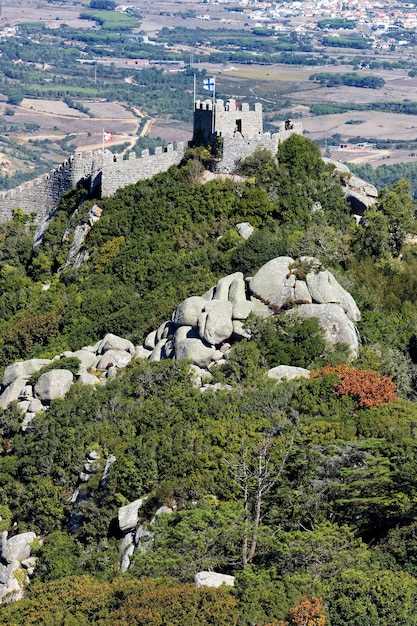
The origins of Pena Palace date back to the Middle Ages, when the site was home to a small chapel dedicated to Saint Jerome. This chapel was built by the monks of the Hieronymite order, who also established a convent in the vicinity. The location on the hilltop offered both spiritual solace and strategic views, making it a significant point in Sintra. Over time, the site underwent transformations, culminating in the establishment of the spectacular palace we see today.
In the 19th century, King Ferdinand II of Portugal purchased the ruins of the convent and decided to create a summer retreat for himself and his wife, Queen Maria II. His vision was to blend several architectural styles, which would culminate in a creation that embraced the beauty of Romanticism. The project reflected not only his passion for art and nature but also a sense of national pride as he worked to transform the existing ruins into a majestic palace. Although it initially started as a small house, it gradually evolved into a grand royal residence.
To understand the enchanting design of Pena Palace, one must check the various influences that converge within its walls. The styles incorporate elements of Manueline, Gothic, and even Moorish architecture, symbolizing the rich Portuguese history. Each section of the palace holds collections of art and artifacts that speak to different periods, creating a tapestry of cultural significance. Visitors will see points of interest that connect them with Portugal’s past, making this palace a true national treasure.
As you enter the palace, you are greeted by vibrant colors and intricate details that transport you back to the 19th century. The dazzling façade showcases a array of turrets and battlements, creating a fairy-tale impression. Surrounding routes and gardens were meticulously designed to compliment the palace, enhancing its majestic aura. The juxtaposition between the palace and the stunning natural scenery of Sintra is a sight to behold.
Pena Palace not only serves as a historical landmark but also as a testament to Ferdinand’s creativity and dedication. This ambitious project required various resources, including artisans and local laborers. The work took years to complete, but the result is a seamless blend of nature and architecture. The palace stands as a reminder of the era’s fascination with grandeur and beauty.
Visitors who are looking to explore this unique marvel should consider booking their tickets in advance, as the wonder of Pena Palace attracts many from around the world. Guided tours often recommend specific routes to fully appreciate the intricate designs and gardens. The palace is surrounded by lush greenery, making each visit feel magical. Whether you are an admirer of architecture or a history enthusiast, the origins of Pena Palace provide a fascinating glimpse into Portugal’s rich heritage.
Major Historical Events
The Pena Palace, a true masterpiece of architecture, has a rich history that dates back to the 15th century when it was originally built as a monastery for the Order of Saint Jerome. Over the years, as the monastery fell into disrepair, it became the focal point for Ferdinand II, also known as the “Artist King.” In the mid-19th century, Ferdinand decided to transform this site into a magnificent palatial estate, blending various architectural styles and restoring the convent’s structures, thus marking the beginning of the palace’s grand history.
In 1838, the construction of the current palace began, and the eclectic design choices made by Ferdinand and his team, including the renowned architect Ludwig Hensler and the German architect George Eschwege, showcased a mix of Gothic, Renaissance, and Manueline elements. The entrance was carefully crafted to impress visitors, surrounded by lush gardens and breathtaking views of the mountains that encircle Sintra. This unique combination of styles not only made Pena Palace a stunning landmark but also a symbol of Portugal’s cultural renaissance.
Throughout the years, the palace served as a summer residence for the Portuguese royal family. It was here that Queen Maria II and her descendants enjoyed their summer retreats, hosting numerous royal gatherings. The palace rooms, including the sumptuous dining room and the intricately decorated chapel, were designed to accommodate grand events and royal engagements, making them a vital part of Portugal’s royal history.
By the early 20th century, the palace transitioned into a national monument, opening its doors to the public and making its collections available for visitors to enjoy. However, it was not until the 1990s that the palace underwent significant restoration efforts to preserve its unique architecture and historical integrity. These efforts ensured that future generations could marvel at the beauty of Pena Palace and its fascinating past.
Visitors today can enter the palace with booked tickets, taking the opportunity to explore its numerous rooms and terraces. Although the palace is a renowned tourist destination, the calm surrounding of the Sintra mountains adds to its charm. Recommendations for tours often emphasize the cultural importance of each room and hallway, reminding guests that Pena Palace is not just a picturesque site but a significant piece of European history.
Restoration and Conservation Efforts
The restoration and conservation of Pena Palace have been vital to preserving this national treasure of Portugal. Over the centuries, the castle has faced challenges due to natural decay and human activity. Dedicated teams, including historians and architects like Hensler, have worked to ensure that unique architectural elements, such as the hybrid styles reflecting both Manueline and Moorish influence, are maintained. These efforts have safeguarded the palace’s unusual features, from the vividly colored façades to the intricate chapel that draws visitors eager to explore its history.
In recent years, conservation projects have expanded not only to the main castle but also to the surrounding gardens and smaller structures, including the former chapel and various turrets. This comprehensive approach allows us to understand how these components integrated with the palace’s overall cultural significance. By restoring the gardens, which host a variety of plant species, conservationists aim to recreate the historical landscape that once surrounded this royal retreat, fostering a deeper connection between visitors and the environment.
Furthermore, since Peña Palace is situated in Sintra, a UNESCO World Heritage Site, its preservation is linked to broader European conservation efforts. With every new project, such as the recent restoration of the alabastra sculptures, the Spanish and Portuguese governments ensure that not only are elements of the past preserved, but that educational programs allow future generations to enjoy and learn about the history behind this magnificent structure. If you plan to visit, make sure to check the availability for entry slots as they can be quickly booked, especially during peak hours.
建筑特色
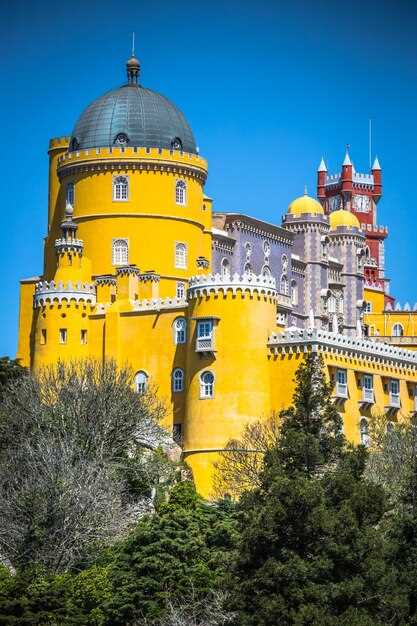
Pena Palace is a stunning example of 19th-century architecture that showcases a blend of different styles, particularly the Romanticism influence prominent during the reign of King Ferdinand II. This Portuguese monarch was instrumental in transforming the former monastery ruins into a magnificent royal residence. The architecture of the palace uniquely combines Gothic, Moorish, and Renaissance elements, which makes it a noteworthy subject for architectural enthusiasts.
One of the standout features of Pena Palace is its colorful façades, which were intentionally designed to evoke an emotional response. The use of vibrant colors, such as yellows and reds, reflects the cultural essence of Sintra. The construction took place between 1842 and 1854, demonstrating a creative vision that merged various architectural inspirations. The diverse materials used, including stone and tile, add to its unusual aesthetic.
The interiors of Pena Palace are equally captivating. Each room offers a glimpse into the royal lifestyle with its elaborately designed furniture and decorative arts. The main areas, such as the dining room and the king’s cabinet, reflect intricate details reminiscent of the craftsmanship of renowned sculptor Franz Hensler. Visitors can explore these significant spaces, appreciating the artistry embedded within the rooms.
Beyond its interiors, the palace boasts specially designated routes that guide visitors through its enchanting grounds. These pathways not only reveal stunning views of the landscape but also connect various architectural elements, such as the stunning clock tower that rises prominently above the palace. The clock serves as a timepiece reflecting the grandeur of the property while offering practical timekeeping for its royal inhabitants.
The design of Pena Palace also includes influences from the Moorish architectural style, with elements like pointed arches and intricate tile work that recall the hospitality of the region’s past. This incorporation of exotic influences emphasizes the national identity of Portugal, particularly its historical ties with the Moors. Designs within the palace pay homage to the historical context in which it was built.
For those planning to visit, making advance ticket arrangements is highly recommended to bypass potential queues. Transport to Sintra is accessible via train and bus, providing multiple options for visitors wishing to explore this architectural wonder. The palace’s location makes it an ideal day trip from Lisbon, allowing tourists to immerse themselves in both the cultural and architectural richness of the area.
In summary, Pena Palace is a majestic marvel that encapsulates the essence of Portuguese architecture. From its unusual combinations of styles to the grandeur of its interiors, every section of the palace is meticulously planned to reflect the vision of its creator. A journey through this enchanting palace is not only a lesson in history but also an appreciation of the architectural genius that continues to attract visitors from around the world.