


 简体中文
简体中文  English (UK)
  Русский
  বাংলা
বাংলা  العربية
  日本語
日本語  한국어
한국어  Magyar
  Norsk nynorsk
  Türkçe
  עִבְרִית
  Español
  Čeština
  Svenska
  Português
  Ελληνικά
  Suomi
Suomi  Nederlands
  Română
  Italiano
  Français
  Polski
  Українська
  Deutsch
  Slovenčina
  Српски језик
  اردو
اردو  Azərbaycan dili
  O‘zbekcha
  አማርኛ
አማርኛ 
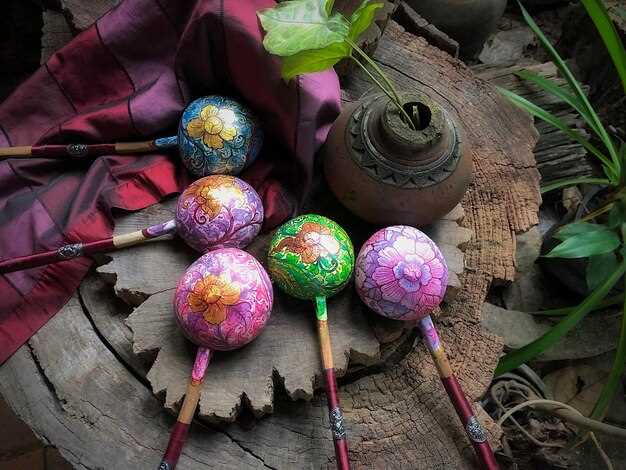
Easter is a season filled with joy and vibrant traditions that bring people together across Europe. Different countries celebrate this holiday in unique ways, each marked by rituals that have been cherished for generations. From the solemnity of midnight masses to the excitement of children hunting for decorated eggs and sweet candies, Easter is a time when families gather at tables laden with delicious meals and symbolic delicacies, such as lamb and chocolate.
As spring awakens, the streets of European cities are transformed into centers of celebration, filled with colorful decorations and joyous music. The iconic yellow flowers bloom alongside lush green trees, reminding everyone of the renewal and hope that this season embodies. In many regions, traditional pastries are baked in local bakeries, while families prepare delightful breakfasts featuring seasonal ingredients. These meals often include special treats like the famous 彩蛋–hard-boiled eggs beautifully decorated by hand–which symbolize the new life that Easter represents.
Whether in the quiet of a countryside village or the bustling atmosphere of a city, European Easter celebrations invite travelers to join in the festivities. From participating in communal rituals to sharing sweet moments with friends and family, these traditions create lasting memories. This holiday, considered holy by many Christians, is a beautiful reminder of the importance of togetherness and the sharing of joy, as people reflect on their beliefs and the significance of renewal during this special time of year.
Unique Easter Celebrations Across Europe
In Italy, Easter is a time of grandeur and solemnity. On the Sunday of the holiday, families gather for a special meal featuring a lamb dish, symbolizing renewal and fertility. Markets throughout the country fill with sweets and traditional breads, like the famous Colomba, which resembles a dove. This unique custom probably dates back centuries, and churches remain filled with worshippers reflecting on the significance of the season.
Moving north to Germany, the Easter festivities are marked by vibrant traditions. On Good Friday, people prepare for the joyous Sunday by cleaning their homes and donning new clothes. Easter markets, often closed during the Lent season, reopen, showcasing chocolate bunnies and colorful eggs. Among these eggs, the elaborate Pisanica–decorated eggs–serve as both a decorative piece and an essential part of the celebrations, bringing neighbours together to admire their artistry.
- In Poland, the custom of święcone, or blessed food baskets, is a cherished tradition. Families prepare these baskets filled with sweets, breads, and eggs to be blessed by the church.
- In Spain, the streets come alive with processions that reflect the deep Christian faith of the people, featuring choirs and solemn music.
- In the Czech Republic, a playful tradition involves the rolling of decorated eggs down hills, symbolizing the rolling away of the stone from Jesus’ tomb.
Across Europe, these diverse celebrations point to a shared sense of cultural joy and community. Each country has its own unique customs, with some focusing on solemn church services while others emphasize festive gatherings in the streets. As families unite to celebrate, the essence of Easter remains the same–joyful reunion, reflection, and the promise of new life in both the spiritual and natural worlds.
Diverse Customs in Italy
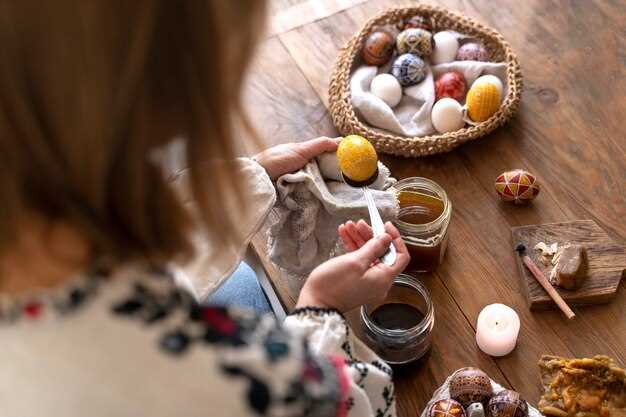
In Italy, Easter traditions are deeply rooted in religious significance and cultural heritage. Families celebrate this holiday with a variety of customs that vary from region to region. A traditional Easter breakfast often includes 面包 that symbolize the seasonal change of spring, alongside decorations like little decorated 鸡蛋 and various forms of candy. These festivities typically begin on Palm Sunday, when families partake in 质量 and then continue through to the grand celebrations of Easter Sunday.
Many Italians observe the custom of visiting local bakeries, where elaborate pastries and cakes are prepared specifically for the occasion. Products vary, but 巧克力 egg creations are particularly popular. These sweet treats often have surprises hidden inside, embodying both joy and the essence of new beginnings, much like the fertility traditions tied to the season. During this time, both young and old wear special clothes, often in bright colors like yellow and white, as they showcase their festive spirit to neighbours and friends.
The celebrations are not confined to homes; the streets are filled with vibrant activities, from religious processions to lively fairs. On the days leading up to Easter, you might spot a unique tradition known as “Pisanica,” where eggs are intricately decorated. This practice has been passed down through generations, marking the importance of the egg as a symbol of rebirth and renewal. So, while Italians cherish both their unique customs and shared European traditions, the essence of Easter remains a moment of profound cultural and spiritual significance.
Traditional Festivities in Spain
In Spain, Easter traditions are deeply rooted in the country’s culture, showcasing a blend of Christian and pagan customs that have evolved over centuries. Holy Week, or “Semana Santa,” is celebrated with immense passion and reverence, and cities across the nation transform into vibrant festivals, filled with processions and rituals that draw thousands of visitors each year. While the streets become alive with music and colors, families often join together at home to prepare traditional dishes and sweets, creating a strong sense of community during this sacred holiday.
During these celebrations, decorated floats featuring religious icons are carried through the streets, often accompanied by participants wearing traditional clothes. In regions like Seville, the atmosphere is particularly captivating as flamenco music echoes, and the scent of orange trees in bloom fills the air. Some processions last well into the night, symbolizing the journey of Christians as they commemorate the passion of Christ. Amidst the bustling markets, vendors sell seasonal treats, including “torrijas” (a type of sweet bread) and chocolate, while baskets filled with painted eggs encourage little ones to engage in festive activities.
As families gather in their gardens or visit local parks, they often indulge in picnics that feature holiday breads filled with nuts and dried fruits. This celebration is unique in that it not only honors the religious significance of Easter but also embraces the arrival of spring. It is a time for renewal and reflection, as Spain’s warm weather beckons people outdoors, contrasting the quiet moments that precede the extravagant festivities. The blend of sounds – laughter, music, and the clinking of glasses – creates an atmosphere that is both joyful and contemplative.
| Tradition | 说明 |
|---|---|
| Semana Santa | The Holy Week involving elaborate processions and rituals. |
| Traditional Sweets | Includes “torrijas,” chocolate, and various pastries that are enjoyed during the holiday. |
| Processions | Participants display religious icons through the streets, often in traditional attire. |
| Community Gatherings | Families celebrate together at home and in parks, enjoying seasonal foods. |
As the week concludes, the celebrations in Spain reflect a unique blend of rituals that not only highlight the country’s traditions but also foster a feeling of unity among its people. Each year, they return to these cherished customs, ensuring that the spirit of Easter remains alive, and this vibrant tapestry of culture continues to enchant not just the locals, but also travelers from around Europe and beyond.
Spring Celebrations in Germany
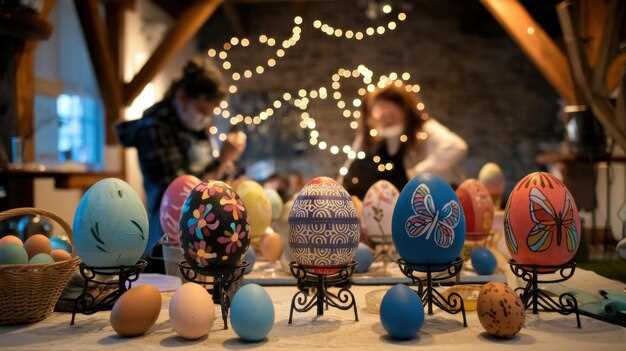
The arrival of spring in Germany is a time when people prepare to celebrate various traditions that mark the joyous season. Easter or “Ostern” is one of the most significant holidays, often beginning with the solemn observance of Holy Week, leading up to Easter Sunday. This festival is generally considered a deeply rooted custom for many families across the country, as it symbolizes renewal and fertility.
On Easter Sunday itself, German households often gather to partake in festive meals that usually include lamb and egg dishes. Eggs, which are decorated in vibrant colors, take a central place on tables during these festivities. Since eggs symbolize new life, their presence at the celebrations is a tradition that dates back centuries, intertwining with European customs.
As the festivities roll in, families join together to partake in various customs, such as decorating their homes and gardens with spring flowers. Little baskets, often filled with candy and chocolate eggs, are hidden around the house and gardens for children to find. This ritual not only adds excitement to the celebration but also reinforces bonds within the family.
In many regions, special Easter markets are introduced, showcasing local crafts, foods, and sweets. These seasonal markets are vibrant centres of social activity, attracting locals and tourists alike. Visitors can find various traditional items, including beautifully painted eggs and handmade decorations that reflect the rich cultural heritage of the country.
Throughout the spring season, German cities are often alive with different festivals that celebrate local customs and traditions. In particular, the tradition of Easter egg rolling, which is considered a playful activity, takes place in parks where children and adults alike join to roll decorated eggs down hills. This custom has its roots in ancient fertility rituals and is a delightful way to embrace the arrival of spring.
Moreover, various towns in Germany host parades and events that feature elaborate costumes, music, and dance, creating an atmosphere of joy and togetherness. These celebrations serve not only as a reminder of the cultural heritage but also allow communities to open their arms and welcome the season.
While some might associate Easter primarily with solemnity, many German celebrations balance this with fun and festive activities. The integration of playful customs, sweets, and family gatherings creates an enchanting atmosphere that remains a highlight as spring unfolds. From chocolate bunnies to colorful baskets, each element plays a vital role in the overall celebration.
As spring progresses, the vibrant festivities in Germany highlight the importance of community, culture, and family. Easter serves as a focal point for these celebrations, bridging time-honored customs with contemporary joy. The intertwining of traditions from across Europe enriches the German approach to this cherished holiday, making it a season that many look forward to each year.