


 简体中文
简体中文  English (UK)
  Русский
  বাংলা
বাংলা  العربية
  日本語
日本語  한국어
한국어  Magyar
  Norsk nynorsk
  Türkçe
  עִבְרִית
  Español
  Čeština
  Svenska
  Português
  Ελληνικά
  Suomi
Suomi  Nederlands
  Română
  Italiano
  Français
  Polski
  Українська
  Deutsch
  Slovenčina
  Српски језик
  اردو
اردو  Azərbaycan dili
  O‘zbekcha
  አማርኛ
አማርኛ 
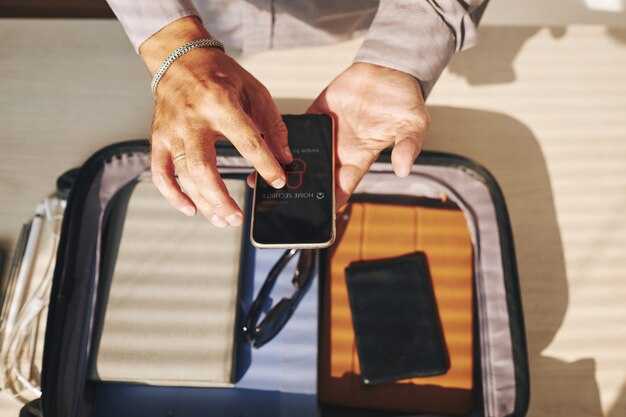
Carry-on only: you must pack a single carry-on and a compact personal item that fits under the seat. A capsule wardrobe arranged for versatility with 5–7 pieces, rolling clothes to maximize space, and sending bulky items ahead when possible really saves space. You must keep liquids under 3.4 oz in a clear bag, which speeds security and keeps overhead space available.
Smart booking saves money: look for fares that include a free carry-on or fee waivers, and compare policies using nerdwallets. Book in advance and pick dates with lower demand; shopping tools lets you see price differences across carriers and dates. Over the years, that approach can cut your total trip cost and increase benefits.
Leverage loyalty and bank perks: airline cards and bank rewards often include free carry-on or higher weight allowances. Check benefits on your accounts and the card’s terms, and note the date when a benefit resets. You can claim parts of the benefit during checkout and save on every flight, especially when you travel for years and want an enhanced experience.
Pack for passengers needing flexibility: coordinate what each person carries to avoid duplicates and leave behind multiple containers. Use a single shared toiletry bag and minimize duplicates; this approach keeps the total bag count down and helps you avoid extra fees when traveling with others.
Prepare for the unexpected: leave space in your packing for a small purchase at your destination and be ready to swap to a carry-on‑only plan if a gate change or last‑minute policy tweak occurs. This mindset helps you avoid gate-check fees and keeps your travel experience smooth.
Practical Tactics to Minimize Bag Fees and Jet-Ready Packing
Start with a smart carry-on plan and a compact personal item that meet your flight’s policies at check-in, and you wont pay checked-bag fees. A typical total allowance on many carriers is a carry-on around 22x14x9 inches plus a personal item; aim for a combined weight under 15-22 lb and weigh at home to avoid overage at the counter. You have to know your airline’s limits before you pack.
Maximize outfits with loads of planning: pick 3-4 tops, 2 bottoms, 1 dress, and 1 jacket that mix-and-match. Roll fabrics tight and use arranged packing cubes to keep items together, so you know where everything sits in the bag.
Wear the heaviest layers on the flight and compress the rest with rolling; white cotton tees and a light jacket can be worn again, needing fewer fresh outfits. A smart approach keeps total weight low and leaves room for essentials like a compact toiletries kit.
Use hotel laundry access to refresh outfits and cut bulk. For a monthly trip, allison and her husband apply the same approach: collect a few staples, wash mid-trip, and depart with a lighter bag each leg.
Check-in online early to speed security and gain faster access to your bag. When you head to the airport, you’ll move through the line quicker if your items are arranged for easy inspection; keep liquids in a clear bag and place electronics where you can access them without delay.
Know offers that waive bag fees and how monthly flight budgets compare to the cost of checked bags. Some airlines offer fee waivers with status or co-branded cards; plus, review policies for routes and aircraft types to know when fees apply and when they don’t. The amount saved can beat buying a light bag or an extra bag.
Smart packing checklist and a quick pre-flight routine are practical tips to ensure you have what you need. Have a short list: 1 white T-shirt, 2 pairs of underwear, 2 socks, 1 compact jacket, and a small travel towel. Use a nmls label on toiletries to speed security, and keep check-in essentials in a small, accessible pocket for quick access.
Choose Airlines with Free or Included Checked Bags
Choose Southwest Airlines for two free checked bags on every fare. With this policy you can pack a rolled wardrobe, keep your carry-on light, and reduce the risk of damage to valuables by distributing weight between bags. thats a true double win for your budget, especially for families and long-haul trips.
If you fly other carriers, check current policies on each fare. Look for american baggage rules, where a free bag may be included on international itineraries or premium cabins. At least some routes show 1 bag included; what matters is the specific policy for your itinerary. If you have special gear, confirm how it counts toward the allowance. access the policy details directly on the airline site and save the documents for fast reference, making sure you understand the time windows and eligibility before you book.
Do a quick comparison directly on airline sites rather than third-party portals. Use filters to show fares that include a bag; print or save the policy as a reference document. double-check the weight limits at the head of the counter before you check in; that step saves time and prevents extra charges. Pack cheap but efficient: roll your clothes to save space and pack a spare shirt in case of spills; rolling helps clothes stay neat and reduces wrinkles. If you’re traveling in winter, keep a light coat in your carry-on and let the included bag handle heavier items. This reduces the chance of damage and keeps you moving smoothly through the services and gates. doing this helps you stay prepared and wrinkle-free.
When you travel, pick routes with published included bag benefits and avoid carriers that rely on add-on fees. If you have status or a co-branded card, you may unlock the free bag benefit–these programs work for frequent travelers, making that time-saving option more reliable. Have your documents ready and know your bag count so you can move quickly through the check-in and gate lines, down to the jet bridge, and out to your next connection. Doing this helps you stay on track.
Use a Travel Credit Card That Covers Bag Fees

Get an airline cobranded card that waives the first checked bag for you on most flights of that airline. This simple move can really cut your travel costs: the first bag typically runs about $30 on domestic trips, and a second bag can be $40. For a family of four, a single round trip with one or two checked bags per person can easily hit several hundred dollars in savings. And if you’re carrying golf clubs or other gear, those items often fall under standard bag allowances, so the waiver applies to them without needing extra steps.
Updated terms vary by program, inspect the fine print before you apply. Always verify whether the benefit applies to your entire itinerary and whether you must pay with the card to trigger the waiver. In some cases you’ll need to register the card or book through the airline portal. dont assume universal coverage; double-check the conditions and the amount saved, and note when the offer was updated.
Ways to maximize savings include pairing a cobranded card with a general travel card that offers a travel credit you can apply to baggage charges. For example, cards like Chase Sapphire Reserve or Capital One Venture X provide a yearly travel credit that can cover bag fees when you use the card for airline purchases. Southwest’s policy of two free checked bags on most domestic itineraries offers a blanket benefit you can rely on if you fly SW often. innovation in card rewards keeps expanding, so check whether current offers include a dedicated baggage benefit or a flexible travel credit that can cover fees in full or in part. oversized or overweight cases still fall under separate charges; always inspect size limits before you travel.
Practice is strongest when you’re needing to travel often: invest in a card with solid bag-fee benefits and you could see a meaningful decrease in your annual travel costs. Access the benefits pages, show the exact terms, and choose the option that fits your needs and travel pattern. By focusing on benefits, you can avoid paying bag fees and leave more budget for the trip itself, no matter where you go or how many bags you check.
Prepay for Bags Online to Lock in Lower Rates
Prepay online to lock in lower rates; you should do this as soon as you book. The fee charged at the airport for a single checked bag is usually higher, while the online price is lower, and many routes show savings of 5–15 USD per bag. On routes to california or japan, online prepay often yields the largest discounts because carriers push these rates early in the booking flow. Look for the online bag option during checkout and compare it with the desk price to confirm the savings, which could create a smoother start to your trip.
To prepay, go to the airline site or app, choose Bags or Manage Booking, select the number of checked bags, and pay online. Save the receipt into your phone. If you’re going with a second bag or extra weight, price updates instantly; print the receipt or save it to your phone. At the airport, you can skip the long desk line and head straight to bag drop, which saves time.
Data and scenarios show the savings in practice. Double-check the accuracy of the online quote before you pay. Domestic first-bag online fees often run around 25-35 USD, while airport charges can be higher by 10-20 USD depending on route and season. Since winter trips to california or japan often use online-only promo windows, prepaid can save more. If you’re traveling with golf clubs, prepaid pricing usually applies to the club bag as a single item, helping you avoid separate surcharges. For freelance travelers booking multiple legs, prepaid bags create fewer surprises and easier monthly budgeting.
Choosing correctly means comparing the airline page to a brokerage or guide service; someone who does this daily can create savings across degrees of complexity and help avoid mispriced options. For monthly travel, prepaid bags keep your budget predictable. If your itinerary goes through winter routes to california or japan, prepaid bags reduce the risk of unexpected charges at the gate and keep your day moving. Even on a business trip, the duty of cost control makes prepaid options appealing.
Pack Ultra-Light with a Capsule Wardrobe
Pack a 7-piece capsule wardrobe for a week-long trip to stay under baggage fees while keeping options flexible. Start with a white base and one accent color, then mix tops and bottoms to craft 7–9 outfits.
Choosing quick-dry fabrics reduces wrinkles and speeds transitions. Cotton blends, merino wool, modal, and lightweight jersey handle spring temps. Knowing the timeliness of clean outfits helps you avoid re-washing or last-minute purchases. Choose fabrics in a class of neutrals–white, black, beige, navy–to maximize mixability.
For a couple, this approach scales: a couple of tops, one dress, two bottoms, a light jacket, and a compact rain layer cover most days. editors at travel sites offered this strategy as a simple way to avoid overpacking.
Keep liquid toiletries in compliant bottles (100 ml max) and place them in a clear bag, except for essential items. This keeps your carry-on smooth and aligned with policies.
To simplify, travel with basics that mix well: white T-shirt, navy polo, grey T-shirt, black chinos, beige shorts, black midi dress, light jacket, packable cardigan, and packable sneakers. Doing so reduces mistakes and boosts convenience for solo trips and families with kids.
On the website, review updated policies and tailor your kit before each trip. A simple edit makes your program repeatable and saves time at security. Once you lock the set, timeliness at the gate improves.
If you travel with a partner, you can share a jacket or shoes to save space. This approach helps both people stay comfortable without adding bulk. Except for special occasions that demand extra gear, this capsule covers most daily needs.
Book a quick laundry option early in your planning to refresh outfits during longer stays. Use packing cubes and compress items to maximize space, keeping everything accessible for a smooth get-ready routine.
If something else is needed, book it separately.
| Item | Color | 织物 | Use | Weight (approx) | Notes |
|---|---|---|---|---|---|
| White T-shirt | White | Cotton-jersey | Top, versatile | 180 克 | Very mixable |
| Navy polo | 海军 | Cotton-poly | Top | 260 g | Smart-casual |
| Grey T-shirt | Grey | Modal/jersey | Top | 170 g | Layering option |
| Black chinos | Black | Stretch cotton | Bottom | 420 g | Wrinkle-resistant |
| Beige shorts | Beige | Quick-dry | Bottom | 300克 | Breathable |
| Black midi dress | Black | Jersey blend | Dress | 300克 | Evening-ready |
| Light jacket | Light blue | Polyester shell | Outer layer | 400克 | 防水 |
| Packable cardigan | Neutral | Cotton-merino | Layer | 240 g | Warmth without bulk |
| Packable sneakers | White/black | Breathable mesh | Footwear | 480–520 g | Comfortable for long days |
Switch to Solid Toiletries: Bar Shampoo/Conditioner, Soap
Switch to solid toiletries now to slash checked baggage fees. Bar shampoo, conditioner, and soap weigh far less than liquids, eliminate spills, and fit into a tiny portion of your kit. With small pieces, you stay within airline limits and keep your hands free for other essentials.
Choosing bars from a trusted source reduces the risk of leaks and keeps your carry-on clean. Those bars come with small packaging and lasting power, typically delivering multiple washes from a single piece. If you have a loyalty program and earn points, you can use them to book a hotel that includes a laundry service, letting you refresh without extra shopping–heading to the golf course with confidence. theyre easy to pack in a separate pouch and fit into a small corner of your bag. Compare products by their ingredients and claimed performance to pick options that suit your needs.
Packing tips: store bars in a separate, dry container or zip pouch; wrap in tissue and place in a polyester laundry bag to keep them dry and free from odors. Use a pillow pouch or small section of your toiletry kit to shield them during flight. This reduces packaging waste and avoids liquid rules, which helps lower travel stress.
Weight and cost: a 30–40 gram bar replaces three 100 ml bottles, trimming weight by about 0.5–1 pounds on a typical week-long trip. Because you carry fewer pieces and rely on compact packaging, you can heading to the gate with less stress and more room for a compact lotion bar if needed. Book a carry-on that travels light and you’ll save time at security and avoid extra charges.
Advance planning makes sense: stock up at home, choose solid options that come from a single source, and keep them in a dedicated packaging area. If you travel to special destinations or events–like a golf weekend–solid bars help you stay lean, and you can head to the gate with confidence. theyre long-lasting and easy to replace if needed; using a small, separate bag prevents cross-contamination and keeps your laundry routine simple at the hotel. Keep an advance supply in a compact bag so you’re not scrambling last minute.
Summary: switching to solid toiletries cuts weight, reduces packaging waste, and speeds security checks. Bar shampoo, bar conditioner, and bar soap let you keep your grooming routine fast, easy, and mess-free on every trip.
Switch to Solid Toothpaste Tablets and Sunscreen Bars
Switch to solid toothpaste tablets and sunscreen bars to cut baggage weight and avoid checked-bag charges on flights. For a 7-day trip for a family of four, pack about 56 toothpaste tablets (2 per person per day) and 4 sunscreen bars (one per person, with a spare for beach days). youd save space and reduce spill risk compared with liquids, while keeping everyone clean and protected.
Solid formats fit standard carry-on rules, so you can skip the crowded conveyor belt shuffle. Personalise your kit with scents or brands you know your family loves, and choose compact, rugged packaging that survives a winter of travel and washing in shared sinks. Knowing your airline policy helps you avoid surprises at the gate and keeps you from paying unnecessary charges.
- Toothpaste tablets: 14–28 tabs per person for a week, with 56 tabs for a family of four on a 7-day trip. Store in a small tin or resealable pouch to prevent breakage and keep everything together.
- Sunscreen bars: 1–2 bars per person for a week, depending on sun exposure and activity. Choose bars around 20–25 g each for easy packing and even coverage.
- Compact wash options: replace liquid shampoo with solid shampoo bars and bar soap; add a washcloth or towels that dry quickly to limit washing needs during travel.
- Packing method: use a dedicated pouch or mini zip bags, label contents, and weigh your bundle on a small scale to stay under carry-on limits.
- Family customs: involve kids in selecting scents and brands to boost engagement and personalise the routine, which reduces fuss at security and during washing up after beach days.
Advance planning pays off: estimate quantities using the rule of 2 tabs per person per day for toothpaste and 1 bar per person per 3–4 days for sunscreen. Scale your pack with a travel scale to avoid overweight surprises, and keep an extra bar or two as a buffer for long flights or winter getaways when you face longer days in the sun.
If you’re comparing fares and bag fees, remember that the savings from switching to solids compound over multiple flights. A small shift in packing can translate into real money that goes back into your bank account or toward a better seat upgrade later. An expert approach looks at your total travel plan: advance purchases, combined hand-luggage strategy, and avoiding mistakes that lead to extra charges. Know your plane’s space and weight limits, weigh your kit before you go, and don’t assume any item is too small to matter.
Special cases: if you travel with surfboards or other oversized gear, solids keep the rest of your baggage lean while you coordinate specialist shipping or airline options. For families, keep kids involved in every step–this social, collaborative approach reduces anxiety and helps you claim a smoother journey from boarding to landing.