


 简体中文
简体中文  English (UK)
  Русский
  বাংলা
বাংলা  العربية
  日本語
日本語  한국어
한국어  Magyar
  Norsk nynorsk
  Türkçe
  עִבְרִית
  Español
  Čeština
  Svenska
  Português
  Ελληνικά
  Suomi
Suomi  Nederlands
  Română
  Italiano
  Français
  Polski
  Українська
  Deutsch
  Slovenčina
  Српски језик
  اردو
اردو  Azərbaycan dili
  O‘zbekcha
  አማርኛ
አማርኛ 
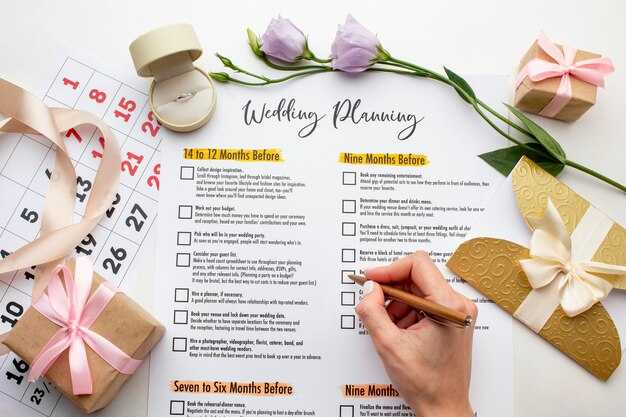
第一步: Book your venue and a local planner within 30 days to lock the date, reduce spent on last-minute upgrades, and set a clear baseline for the rest of your plan.
第二步: Inside your plan, list three 典礼 priorities: location vibe, guest experience, and legal steps. Place a small note inside your plan to remind you of these priorities. Allocate 60% of the budget to venue, decor, and meals. Track spend with a simple card-style checklist to stay on target, and you’ll gain much clarity.
步骤 3: Choose a date with a 6- to 12-month window and assess destination accessibility: direct flights, hotel options, and local services. A few practical 因素: season, rain chances, and turnout expectations. Get a local vendor pack from a pro; ask for a detailed estimate and timeline.
步骤4: Lock essential vendors with signed agreements: photographer, planner, caterer, and a coordinator for the day. Read the contract terms, cancellation windows, and the payment schedule; ask for a milestone schedule and a single-point-of-contact card to streamline decisions. This reduces friction and preserves rest before the ceremony.
第五步: Confirm the legal steps to be married in your destination: required documents, translations, and civil vs religious ceremony options. Schedule a local civil ceremony if necessary or a legally binding option abroad. Keep a simple checklist inside a folder and expect unpredictable delays; build a 2-week buffer.
第六步: Design guest experiences that travel well: welcome bags, seating, and transportation. Estimate turnout carefully, and plan for 5–10% more guests than your RSVP to cover last-minute changes. Plan to mention accessibility needs and dietary restrictions clearly on the RSVP card. This helps guests feel happy and included.
第七步: Build a tight day-of timeline: arrival, setup, ceremony, photos, meal, tear-down. Have a professional on-site coordinator who can handle vendor contact, cue music, and manage delays. Ask vendors what they can offer on the day to reduce last-minute hiccups. Create an experience map for guests so the event flows smoothly, and share it with your vendors inside a single quick-reference document.
Destination Wedding Planning: A Practical Guide
Find your venue first and reserve it, then build from there. This concrete step focuses your planning on a fixed date, a fixed location, and the guest headcount you can accommodate. Before you proceed, review your budget and confirm there is room for the ceremony and reception, ensuring the venue can host your preferred date and setup. Having a reserved date reduces last-minute shifts and keeps your timeline realistic.
Build a practical checklist and map daily milestones. Start with the essentials: date, budget, guest count, destination, and a few preferred locations. Use a shared checklist to track tasks such as flight options, accommodations for guests, and a beverage plan for welcome drinks and receptions. For a high guest count, verify service routes and staff ratios with each option. This keeps you from forgetting key steps and helps you say, ‘we can handle this,’ on busy days.
Research venues and vendors, then compare each option side by side. Look at the ceremony space, reception layout, service style, and how each option handles catering, decor, and audio. Ask vendors for sample timelines and cost breakdowns, and request references from couples with similar guest counts. Evaluate the location’s accessibility for travelers and the quality of nearby lodging, airports, and activities. Assess what is possible within your budget and timeline.
Talk to vendors early and secure contracts with clear terms. Vendors said that clear terms save stress. Reach out to photographers, caterers, florists, and entertainment teams. Confirm what’s included in each package, the payment schedule, and any hidden fees. If a supplier offers multiple back-up options, weigh the costs and the value. When you research, ask for a sample timeline and a realistic setup window to avoid day-of stress.
Plan your daily rhythm and guest experience in advance. Outline when guests arrive, airport transfers, welcome gifts, and daily activities. Ensure accommodation blocks are grouped by arrival dates and have a point person for on-site coordination. A great experience hinges on clear guidance, a well-organized schedule, and enough buffer time for travel delays.
Prepare for the day-of details and contingencies. Assign a point person, create a simple on-site training for staff, and reserve extra time for setup and photography. Have a backup plan for weather or travel hiccups, and communicate it to your guests so there are no surprises. You will arrive with confidence if you’ve practiced the flow and timing.
Maintain a flexible mindset and track progress regularly. Review progress weekly, adjust budgets, and revisit the option list for venues and services as needed. Having a plan that fits your style and budget keeps stress low and helps you enjoy the process, because an amazing wedding comes from good preparation and steady communication with guests and vendors alike. Keep your mind open to adjustments, and this will help you stay on track.
Define your budget, guest limits, and wedding priorities
Set a budget of $30,000–$40,000 for 40–60 guests and lock a 10–15% contingency. Below this total, allocate funds by category, and the plan below shows where savings come from and how to track every expense.
Cap the guest list tight at 50–60; think of each invitee as part of the overall experience you deliver. Guests traveled from afar, including foreign countries, so choose a venue that minimizes travel complexity while maximizing comfort. While you compare options, chase high quality with clear inclusions rather than add-ons, and look for packages that combine venue, catering, and rental items (chairs, tables, linens, lighting).
Define your priorities with a concrete example: venue, catering, florists, dress, and photography. Dreams guide what you pay for first; if your dream is a sunset ceremony on the beach, prioritize the location and timing, then fill in décor with cost-conscious rentals. Advice from planners is to provide a short list of must-haves and nice-to-haves; this helps you save and stay on track through negotiations; read this as readers and adapt it to your country and culture.
To stay organized, pack a simple checklist and a cost sheet. Have necessary documents ready, and create a folder for receipts and vendor contracts. The example below shows how to capture detail, including rental items, dress fittings, and florists notes, so you can compare offers accurately.
| 类别 | Guidance | Estimated Cost (50 guests) | Notes |
|---|---|---|---|
| Venue & Catering | Choose an all-inclusive package to reduce rental friction and ensure service charges are clear. | $14,000–$22,000 | In-house catering plus venue fee; confirm service charge and gratuity |
| Florals & Décor | Use a single lead Florist; select seasonal blooms and reuse arrangements for ceremonies and reception. | $4,000–$7,000 | Ask for rental of centerpieces and props |
| Photography & Videography | Book a combined package; limit shooting window to 8–9 hours. | $2,000–$4,000 | Include a highlight reel |
| Dresses & Attire | Shop destination-friendly gowns; consider two looks if desired. | $1,800–$4,000 | Include alterations |
| Entertainment | DJ with curated playlist; optional live music if venue allows. | $1,000–$2,500 | Request MC and clean transitions |
| Rentals & Logistics | Bundle chairs, tables, linens, and dinnerware with one vendor. | $1,000–$3,000 | Check delivery, setup, and breakdown |
| Contingency | Set aside 5–10% of total for unforeseen costs and weather delays. | Varies | Use for permits, weather, and last-minute tweaks |
Choose the destination by climate, accessibility, and vibe
Pick Cancún, Punta Cana, or Maui as your starting point–the advantage is a reliable climate during your window, strong flight options, and a beautiful backdrop that fits your love story.
What to optimize first, and why: climate stability, easy access for most guests, and a vibe that everyone will remember for years to come. Those three pillars determine how smoothly you can celebrate since weather, travel hours, and atmosphere influence every moment from vows to post-celebration adventures.
- Climate window
- Cancún area (Mexico): dry season typically November–April with daytime highs around 28–32°C; plan for modest humidity and possible showers May–October.
- Punta Cana (Dominican Republic): similar dry-season core, around 27–32°C; December–April offers fewer rain days and calmer seas; hurricane season requires awareness in June–November.
- Maui (Hawaii, USA): 25–30°C year-round, with cooler evenings and microclimates; rain concentrates on certain valleys, but beaches stay gorgeous most days.
- Accessibility and hours
- Cancún and Punta Cana: abundant nonstop options from major U.S. hubs; typical travel hours from East Coast 4–5 hours, with fewer connections on popular routes.
- Maui: excellent for a luxe getaway, but most itineraries require a connection through West Coast hubs; total travel time tends to be longer but the payoff is a uniquely peaceful backdrop.
- Vibe and guest experience
- Beachfront luxury with modern amenities offers high comfort and a seamless schedule for everyone.
- Historic towns and lush landscapes deliver a romantic, cultural atmosphere with plenty of photo-worthy moments.
- Rustic-chic resorts and nature escapes create a visual narrative for a heartfelt ceremony and celebration.
Practical checks you’ll use during picking
- Inventory and rules: review the venue inventory for on-site ceremony options, decor allowances, and backup spaces; verify permits and any local customs or restrictions–these rules will shape your ceremony plan.
- Customs and culture: learn a few local customs to honor traditions; thoughtful gestures amplify the amazing backdrop without overwhelming the schedule.
- Vendor trust and coordination: connect with watkinson and rodriguez planners to compare what they post about venue options, vendor lists, and preferred timelines; their advice often saves hours and nerves.
- Guest experience and cards: arrange reserved blocks early for your guests, and prepare invitation cards that clearly spell out travel tips, dress code, and contact points for emergencies.
- Budget and hours: set a realistic cap for venue, catering, and décor; keep the plan flexible so you can switch to an alternate option if weather or travel constraints arise.
- What to do next: shortlist 3 destinations, then talk with local planners to confirm the most likely ceremony windows, peak-season dynamics, and sample layouts for your ceremony footprint.
Since you’re balancing climate, access, and vibe, the next step is to list your top three options, compare the likely guest travel impact, and choose what feels most natural for your love story. The goal is a destination that feels beautiful, comfortable for everyone, and unforgettable–an amazing backdrop where your memories start.
Draft a travel-friendly wedding day timeline and vendor coordination
Lock in a travel-friendly day with a single point of contact for every vendor to guarantee a smooth flow. Keeping prep, ceremony, and reception in clearly defined zones makes transfers easy and predictable. This plan is flexible, allows buffers for travel, and is friendly to your week-of schedule, so youre able to focus on moments together and the honeymoon that awaits.
- 07:00–08:15 Getting ready in the ground zone: hair, makeup, and a jewelry check. Keep valuables secure in a locked case and use a simple attendant card for tracking items. Work with a professional team to maintain timing and quality; this block sets the tone for the day.
- 08:15–09:00 Vendor arrivals and setup window. Confirm arrival times, parking, and load‑in routes with your POC. Share a one-page timeline with each vendor so they can align with the ceremony and reception blocks.
- 09:00–09:45 First look or pre‑ceremony portraits (optional). If you choose to do this, you could schedule it here to capture beautiful moments without rushing guests.
- 09:45–11:15 Travel to ceremony site and guest seating (zone transition). Use a printed or digital plan card for drivers and coordinators, and keep a short buffer for traffic or weather shifts.
- 11:15–12:00 Ceremony. Assign a dedicated coordinator to cue the last-minute preparations and ensure smooth transitions to the photo zone for portraits.
- 12:00–13:15 Post‑ceremony portraits in the grounds or nearby scenic spots. Maintain a flexible pace so you can enjoy family photos without feeling rushed.
- 13:15–14:30 Cocktail hour in the reception zone. Vendors set up for reception cues, while guests mingle. This block often offers natural transitions and gives you room to relax before the main events.
- 14:30–16:00 Reception events: dinner, speeches, cake, and dancing. Use a concise cue sheet and a vendor “talk” list so each moment has a smooth lead-in, and consider toast cards for a clear sequence.
Vendor coordination checklist

- Designate a single point of contact (POC) for all vendors. youre able to keep decisions quick and communications focused.
- Share a one-page timeline with every vendor, including pickup times, ceremony start, and reception sequence. Include a vendor contact card with numbers for emergencies.
- Establish ground rules for arrivals, load-in, and teardown, mapped to each zone (ground, ceremony, reception). This guarantees everyone knows where to be and when.
- Prepare a rain or delay contingency: indoor options or alternate routes between zones to maintain flow.
- Jewelry safety: designate a trusted attendant to monitor pieces, and document items on a small card or checklist.
- Maintain a simple communications loop: a 24–48 hour check-in with planners and key vendors the week before, plus a final 72-hour recap with any updates.
- Track payments and tips on a single card or consolidated invoice to avoid last-minute scrambling.
- Review the plan with planners and the venue a week prior, then confirm again 48 hours out to lock in the right sequence and ground arrangements.
Understand legal requirements and permits for the location
Start by calling the city clerk or local planning office to confirm the right permit required for a ceremony at your chosen site. This quick check will save you from last-minute holds and guaranteed stress.
Map out the various options within reach, from public beaches and parks to private estates, hotels, and marinas. Each site demands different permissions, and youre likely to need written confirmation from the site manager or governing authority. Ask for a single contact to keep the process moving and to speed up approvals, showing courtesy and clarity to everyone involved. This really helps you stay on track.
For boat ceremonies or dockside celebrations, plan permits for anchoring, boarding guests, and any harbor or coast guard rules. If youre sailing afar, contact the operator and the port authority miles ahead to confirm requirements and schedules, and to lock in your timeline.
Coordinate with lodging providers and the venue about event-related limits: parking, access times, beach or terrace usage, and noise. Some sites close access after dark or cap ceremony length; confirm whether extra permits or special insurance are needed. This helps you stay responsible and avoids surprises for guests.
Prepare a permit calendar with deadlines for applications, inspections, and down payments. Note each fee, required documentation, and who is responsible for submission, then add reminders so nothing slips through the cracks.
Create a master file with all permits, licenses, and contact numbers and share it with your planners and vendors. This makes it easy for them to stay aligned and helps you keep everything organized from afar or on the road.
Readers who research early will likely avoid roadblocks: contact the closest authority for your site, check for closed parks or restricted hours, and keep a backup plan. If youre planning a ceremony miles away from home, this prep saves time, money, and stress.
Finish with a practical makeup of the planning team: assign tasks for each permit, confirm how payments will be made (credit options), and schedule a final review a few weeks before going ahead with the ceremony to ensure everything is in place.
Create a compact packing list for you, guests, and vendors
Create a compact packing kit for you, guests, and vendors: one under-seat bag per group, a single one-page checklist, and a digital copy shared in advance. This setup minimizes back-and-forth at the airport, keeps costs down, and avoids extra fees by letting you confirm what’s packed before departure.
Your personal kit should include travel documents, legally required IDs, engagement ring in a secure case, rest and a comfortable change of clothes for transit, and a compact grooming kit. Pack a small first-aid set, meds, and a phone charger. Use organized, labeled pouches to prevent lost items and to keep outfits suitable for a castle backdrop and traditional ceremonies.
Although guests travel light, give them a compact care pack: sunscreen, lip balm, pain relievers, allergy notes, a refillable water bottle, a compact umbrella, and a printed schedule. Include a map with ride options and a short note about who to contact if help is needed. Keep it affordable and easy to restock.
Vendor packs: load-in times, venue address (castle location), parking details, contact list, and permits if needed; include a printed timeline, packages, and a note about rest periods. Ensure every vendor has their own copy and a quick way to reach you during setup. Booked arrival windows reduce clashes.
Audit and pack: before sealing bags, cross-check items on a single list; remove overpacking and avoid accumulating gear. Label each pouch for electronics, documents, and personal items. If anything is seen missing at arrival, re-check the schedule and contact the coordinator.
With this ultimate approach, you earn peace of mind, while keeping the event organized, affordable, and comfortable for everyone involved. It helps you host a smooth celebration of your engagement at a castle venue or another backdrop, while staying within reasonable fees and avoiding professional missteps.