


 简体中文
简体中文  English (UK)
  Русский
  বাংলা
বাংলা  العربية
  日本語
日本語  한국어
한국어  Magyar
  Norsk nynorsk
  Türkçe
  עִבְרִית
  Español
  Čeština
  Svenska
  Português
  Ελληνικά
  Suomi
Suomi  Nederlands
  Română
  Italiano
  Français
  Polski
  Українська
  Deutsch
  Slovenčina
  Српски језик
  اردو
اردو  Azərbaycan dili
  O‘zbekcha
  አማርኛ
አማርኛ 
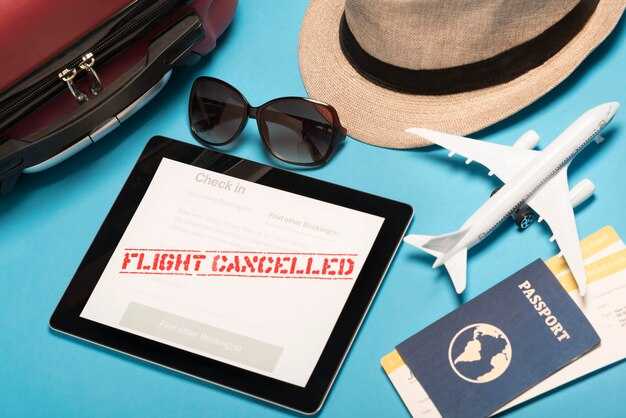
Always fasten your belt as soon as you sit and keep it fastened during taxi, takeoff, and turbulence. That simple step protects you from unexpected jolts on airplanes and helps crew respond more quickly in an emergency.
Travelers with diabetes or other conditions should plan with their clinician and airline at least 72 hours before departure. Pack medicines in carry‑on, label them physically, and carry a compact glucose plan with a visual timetable for dosing. These tips reduce risk and keep glucose stable during check‑ins, boarding, and delays; a friendly checklist helps you stay calm and focused, especially when lines grow long.
Know the liquids rule: containers up to 100 ml fit in a single transparent bag, with total volume typically under 1 liter. Have a small first‑aid kit and energy‑friendly snacks to prevent dehydration and fatigue. For devices, keep batteries and power banks under 100 Wh, carrying spares in your carry‑on to avoid supply issues.
Between a couple of airports, label essential meds and medical devices so they are easy to identify at security or during layovers. Use a compact kit with a pretty layout and reserve a spot for your diabetes supplies and emergency glucose. The screens in terminals and in advertising panels can distract you, so rely on a personal checklist and a visual cue for your next connection.
Use the open left pocket for essential documents: store passport, boarding passes, and medical letters so you can reach them without delaying screening. This reduces friction in busy hubs and keeps you calm, especially on tight connections.
For seat selection, consider proximity to the aisle, outlets, and quiet corners–particularly for long flights. The reason behind such choices is better comfort and quicker recovery after a flight. This factor, along with mindful boarding, helps travelers find a steady rhythm on airplanes, especially those managing diabetes or other health needs.
Smart flight selection: choose options that save time, reduce layovers, and boost reliability
Choose nonstop or 1-stop options with the shortest connection windows to save time and cut risk. Use recommended hacks like filtering by on-time performance and limiting layovers to 60 minutes domestic or 90 minutes international to keep connections smooth, and identify them as preferred paths rather than default choices.
Boost reliability by favoring flights with strong on-time scores and clear delay policy. Check the policy on disruptions and cancellations, then set alerts for schedule changes using your preferred app so you can switch quickly if a better option appears. Learn from others, but pick flights that fit your plan, because weather or air traffic may force a change.
Scan taxes and baggage rules before you book. Choose fares that include bags or offer predictable fees, and keep baggage policies made simple so you know what to expect at the gate. Use seats with straightforward policies to avoid surprises that push you to upgrade at the last minute.
Maximize value with miles and points. Using miles or points, apply them to the base fare and, when possible, to taxes as well. Rely on value rather than cards that lack strong perks, and look for programs that allow you to pay taxes with points while keeping the cash portion low.
Keep comfort in mind during booking and boarding. Pack an inflatable neck pillow and a lightweight layer to handle humidity levels in cabin air. Choose seating around the front carriage when you want easier access to the aisle and overhead bins, and wear your seatbelt when the sign is on. Keep your belt fastened for safety at all times while seated.
For group travel or cases with special baggage, compare group fares that simplify connections and alignment of schedules. Verify access to lounges or quick access to exits and security, and confirm that cases and bags meet the program’s allowances to avoid fees at the gate.
Packing and security: a lean 10-item carry-on list and security-smart items
Never risk delays: pack a lean 10-item carry-on kit that stays within size limits and keeps security-simple.
Behind-the-scenes planning helps you pass the line faster; keep the docs in a slim wallet within easy reach.
In any circumstances, this kit is designed for quick access during boarding and on the airliner, while staying light and compact.
The 10 items below are designed to fit cabin constraints and stay secure, so you glide through checks with minimal fuss.
Senior travelers and average fliers alike will appreciate the balance of practicality and comfort, with each item chosen to support easy access, early boarding, and a smoother flying day. The goal is to have a secure, well-organized kit that protects essentials, reduces stress during security, and keeps you focused on the journey ahead, not the search. Sunscreen sits in the liquids bag to ensure you have protection from the sun without extra bulk, and a small notebook helps with quick notes during boarding or writing reminders for later. This setup works pretty well for most trips, and the effect is noticeable from the moment you step toward the line, well before the plane doors close.
| Item | 为何有帮助 | Notes |
|---|---|---|
| 1) Water bottle (empty pre-security) | Hydration right after security and during the flight; practical for the drinking break at gate | Choose 500–1000 ml; keep empty until you pass the cutoff |
| 2) Clear liquids bag (1 quart) | Represents security-smart packing for gels, liquids, and sunscreen | 3.4 oz (100 ml) per item; sunscreen included; bag should be within easy reach |
| 3) Medications in original packaging | Prevents issues at screening and during refills; handy in any circunstancias | Carry a day’s dose plus a doctor’s note if needed; portion your meds for quick access |
| 4) Documents wallet with passport, ID, and tickets | Fast verification and quick entry at gates; keeps you being prepared | Store tickets and IDs in separate outer pocket for easy retrieval |
| 5) Power bank (about 10000 mAh) and cables | Emergency charging for phone, boarding apps, and maps | Charge before flight; carry in a dedicated cable pouch; keep within reach |
| 6) Compact electronics pouch (chargers, adapters, cables) | Prevents tangling and saves time during screening | Label cables and keep them together; avoid bulky blocks |
| 7) Noise-canceling headphones or compact earbuds | Comfort on long or noisy legs of the trip | Prefer a slim case; fasten to the bag or slip into the pouch |
| 8) Hand sanitizer and wet wipes | Hygiene and courtesy in tight spaces | Small bottle; wipes for screens and surfaces; maintain a clean environment |
| 9) Lightweight scarf or travel blanket | Warmth, comfort, and a quick pillow substitute | Desig ned to fold compactly; protects against airliner drafts |
| 10) Snacks in portion-controlled packaging | Keeps hunger at bay without crumbs or mess | Non-messy nuts or dried fruit; store in outer pocket for easy access |
Check-in workflow: use mobile boarding passes, digital documents, and timely reminders
Use a phone‑first flow for boarding; store all digital docs in one secure space; and set smart alerts that guide you through each step.
Pre-flight setup
- Save the mobile boarding pass to your device’s wallet for instant access at the gate.
- Upload scans of passport pages and visas into a secure app with offline viewing.
- Enable reminders: 60 minutes before check-in opens, and 30 minutes before you reach the terminal.
- Double-check flight number, passenger name, and seating preference in the booking summary.
- Charge your device the night before so you won’t face a low battery during the moment of check-in.
Airport execution
- At the gate and security lanes, present the digital pass and the digital docs on your screen; this reduces lines and paper handling.
- Keep devices protected in a clear case; brightness and legibility matter for quick verification.
- If any issue arises, consult the agent and re-access credentials in the app to re-check in without printing.
- Use a power bank to maintain charge while moving through the terminal and keep a relaxed pace to reduce stress.
Backups: keep an offline copy of essential docs, verify you’re logged into your account on arrival, and set two reminders ahead of time to avoid last‑minute scrambling.
In-flight wellbeing: hydration, movement, and sleep strategies for longer journeys
Start with a concrete rule: hydrate early and consistently. For long-haul flights, plan to drink about 200–250 ml every 60 minutes while awake, aiming for 1.5–2 liters of fluids during the flight. Choose water as your main source and supplement with an electrolyte drink if the flavor helps you drink more. Avoid alcohol and limit caffeine after cutoff hours to prevent sleep disruption. Carry a refillable bottle and keep it in sight on the seat, so sipping becomes automatic regardless of circumstances. Knowing your circumstances helps tailor a clear plan you can follow yourself. If you have damaged joints or a sensitive digestion, adjust your intake and pace. For many, this simple habit–drinking regularly–becomes automatic and reduces headaches.
Movement matters: plan short bursts of activity every 60–90 minutes. Stand, rotate ankles and wrists, perform calf raises, and do gentle stretches at your seat. If space allows, stroll the aisle for 2–3 minutes; even light walking matters for circulatory systems and helps feet avoid swelling. If you cannot rise, perform chair-based leg extensions and toe taps to keep fluids moving during the flight. For fellow flyer and traveler near you, these actions are simple to perform together and require no special gear.
Sleep strategies for longer flights focus on rhythm and a cool environment. Create a sleep window, block out light and noise, and set cabin temperature around 18-21°C. Use a neck pillow, eye mask, and earplugs if needed. If possible, book a seat with extra space or an empty row; if not, recline gradually and support your neck with the pillow. A snack like an apple about 60 minutes before sleep can curb hunger without disturbing digestion. Whether you fly solo or with a companion, aim to align your internal clock by exposure to light after you land and by limiting bright screens during the last hour of flight.
Practical preparation: pack something comforting you can rely on, such as a small notebook or a compact book, and keep a simple hydration plan in your carry-on. Talk with fellow flyer to coordinate seat changes if possible; consider where you feel most rested, and have a plan to hydrate and move during the flight. If you practice these steps on each flight together with others, the routine builds quickly and you can track how your body responds over time.
Post-landing efficiency: fast customs, baggage recovery, and smooth ground transport
Enroll in Global Entry or TSA PreCheck and use the pre-cleared line whenever possible. If youre landing in atlanta, move quickly to the front area of customs near arriving airplanes, and keep your passport and boarding pass in a slim wallet for easy access. Your rights as a passenger are supported by attendants who guide you through the process; thats why the proactive stance reduces stress for some flyers and keeps the line moving.
This flow begins the moment you land: prepare documents in advance and keep them in one place. Screening times vary, but average waits for pre-cleared travelers sit around 5-15 minutes and rarely exceed 30; thats a maximum for peak periods. If you stay calm, you rise faster through the line. That calm force helps you move with purpose. Being ready to entering kiosks with complete codes helps you find the right option quickly, and a higher pace helps you move ahead of the anxious crowd. In some cases, attendants direct you to the shortest path.
For baggage, attach a bright tag so you can find your bag on the belt quickly. Average recovery after landing is 5-8 minutes on common routes; keep essential items in a carry-on under 22 pounds for quick reach. Check the airline or airport app on your apple device to view the carousel number and track your bag in real time. Hydrate with water and watch your feet to avoid missteps as crowds move.
Pre-book ground transport for a fixed pickup window; use rideshare, taxi, or hotel shuttle to control your schedule. Expect curb-to-curb times around 10-20 minutes in normal days; the app shows miles-to-destination to help plan. Have a credit card ready for payment, paying with a card speeds the handoff. Stay near attendants if directions change, and keep an eye out for signs toward the ground-transport area.
To maintain momentum, choose flights with shorter layovers and airports that prioritize clear signage and efficient ground handling. The inherent design of modern hubs supports faster exits; the result is less anxious waiting and more time for your onward miles beyond the terminal. Your travel begins the moment you land, and every small choice–carrying a lightweight bag, staying hydrated, using the right app, and following attendants–counts toward a smooth year-round experience.