


 简体中文
简体中文  English (UK)
  Русский
  বাংলা
বাংলা  العربية
  日本語
日本語  한국어
한국어  Magyar
  Norsk nynorsk
  Türkçe
  עִבְרִית
  Español
  Čeština
  Svenska
  Português
  Ελληνικά
  Suomi
Suomi  Nederlands
  Română
  Italiano
  Français
  Polski
  Українська
  Deutsch
  Slovenčina
  Српски језик
  اردو
اردو  Azərbaycan dili
  O‘zbekcha
  አማርኛ
አማርኛ 
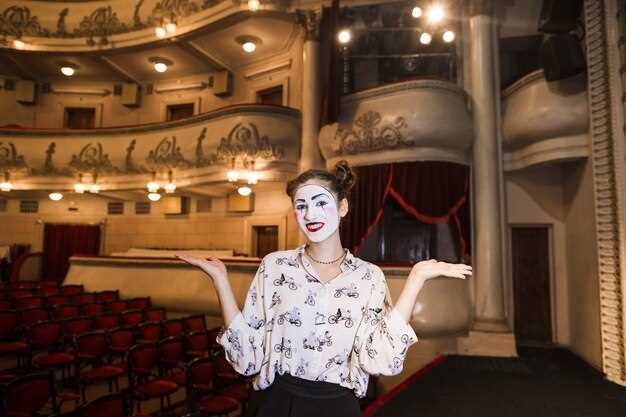
The Palais Garnier stands as a monumental testament to France’s rich cultural heritage, embodying over a century of artistic brilliance. Entering this majestic opera house is akin to stepping into a living palace where the echoes of ballet, opera, and theatrical expression resonate through its architectural splendor. Designed by the visionary architect Charles Garnier, the building combines intricate aesthetics with a refined functionality that has captivated audiences since its opening. As we celebrate its 150-year legacy, we’re invited to uncover not just its history but also the profound impact it has carried upon the artistic world.
Located along the avenue de l’Opéra, this iconic structure enables visitors to meet the vibrant culture of Paris head-on. As you traverse the grand halls and the stunning avant-foyer, you’re reminded of a past that corresponds with a present filled with artistic movement and innovation. The ornate interiors and expansive grand staircase are not just a feast for the eyes; they serve as a guide to the mythology and creativity that influenced countless works of art. Whether you’re a resident or a visitor, you’ll find that the Palais Garnier, much more than an operational theater, is a site where the identity of French artistry thrives.
As we mark this significant anniversary in February, it’s a perfect opportunity to discover the exclusive performances and guided tours available to all–disabled visitors included–during the summer season. This celebration is not just about reflecting on what has been, but also about looking beyond the present horizons, eager to explore how this legendary venue will continue to inspire generations to come. With ticket rates that vary according to availability, there’s always a chance for you to experience the magic of the Palais. Come, be part of the ongoing story that began 150 years ago, where dreams are translated into movement on the grandest scale.
Historical Significance of the Palais Garnier
The Palais Garnier, a masterpiece designed by Charles Garnier under the patronage of Napoleon III, has played a crucial role in defining the cultural landscape of France since its inaugural performance in 1875. This majestic theatre, often referred to as the Opéra, stands as a testament to the Belle Époque era, showcasing a combination of architectural styles ranging from Greek to Baroque. The building’s grand façade is an entry point that invites visitors into a world steeped in history and artistic expression, where every detail resonates with the love for opera and music.
Inside, the auditorium dazzles with its opulence, featuring an ornate chandelier and a lavish stage that has hosted the most celebrated artists and singers from around the globe. The space itself is not just a venue but a vibrant hub where musical moments transcend time, allowing audiences to experience the magic of performance. Each program tells a story, bringing the hidden nuances of mythology and human emotions to life. Guided tours offer visitors a chance to verify these narratives, exploring the beautifully designed costume displays and learning about the theatre’s storied past.
- Construction began in 1861.
- Enabled accessibility for disabled visitors.
- Haussmann’s urban planning transformed the surrounding areas.
- Hosts free performances on select occasions.
- Tickets can be purchased online for various events.
Beyond its architectural brilliance, the Palais Garnier embodies the identity of Parisian culture and serves as a symbol of artistic resilience. As the world celebrates 150 years of this iconic theatre, it becomes evident that every visit to this landmark is an experience that connects the past with the present, allowing all, whether seasoned opera lovers or first-time visitors, to share in its enduring legacy.
Key Events in the Theater’s History
The Palais Garnier, a symbol of Parisian culture, has witnessed significant events since its inception. When the construction began in 1861, it was guided by the vision of architect Charles Garnier, who combined classical and modern styles in a unique design. The building itself became a masterpiece, featuring exquisite marble and gold leaf that attracted artists, musicians, and opera lovers alike.
In the summer of 1875, the theater finally opened its doors, inviting the public to discover its exceptional interior and repertoire of performances. The inaugural opera, “Don Carlos” by Verdi, became one of the most cherished pieces in the theater’s history. Generations of spectators have enjoyed unforgettable evenings, filled with profound feelings evoked by the combined artistry of music and performance.
One of the key moments in the theater’s evolution occurred in February 1914, when the Académie de l’Opéra chose to expand its ballet repertoire. This decision marked a significant shift, as ballets began to receive equal footing alongside operatic works, enriching the theater’s offerings. The combination of both art forms enabled the Palais to capture diverse audiences and broaden its appeal.
Many artists, including renowned composers like Auber, have left their mark on the Palais, contributing pieces that would forever enhance its musical legacy. Their work continues to resonate, with daily performances allowing visitors to verify the talent showcased within its walls. This ongoing relationship between creators and the theater solidifies its status among the greatest opera houses in the world.
Over the years, the Palais Garnier has adapted to changing times. Major renovations during the late 20th century emphasized accessibility, ensuring that all theatergoers, including those with disabilities, could enjoy the experience. By embracing modern technologies and practices, the theater has remained relevant while staying true to its historic roots.
Various exhibitions, such as the “Musée de l’Opéra”, have further highlighted the treasures housed within the Palais. These initiatives provide visitors with a deeper understanding of the theater’s history, showcasing its influence on the cultural landscape of France and beyond. For those interested, guided tours enable a closer look at the architectural marvel and its artistic secrets.
The Palais Garnier has become more than just a venue for performances; it has evolved into a cultural nursery for future generations. As it continues to host operas and ballets, the theater maintains its commitment to artistic excellence, inspiring new artists to share their gifts. Visiting the Palais is not merely an experience; it is an encounter with the legacy of a legendary theater.
Without a doubt, the story of the Palais Garnier is an ongoing narrative filled with remarkable events and evolution. From its stunning construction to its role in shaping theatrical culture, the theater remains a beloved institution. Clicking through its history offers a unique opportunity to enjoy and discover the rich tapestry that defines this iconic Parisian landmark.
Influence on French Culture

The Palais Garnier, a majestic symbol of Parisian artistry, has profoundly influenced French culture since its inauguration. Its stunning architecture and exceptional performances resonate with the feelings and aspirations of the nation, making it a living monument that celebrates France’s rich artistic heritage. Each season, the opéra presents a repertoire that includes world-renowned operas and contemporary productions, ensuring a dynamic cultural environment that moves with the times.
The theater serves not only as a performance house but also as a school where aspiring artists and students gather to learn from the best. Programs are designed to engage a younger audience, fostering a new generation that will continue the legacy of French performing arts. In this regard, the Palais Garnier has become a beacon of inspiration, guiding the future of ballet and opera in France.
Accessibility is key in ensuring that all segments of the population can partake in the magic of the theater. Daily performances attract visitors from all walks of life, with ticket availability tailored for students and seniors. Special discounts and booking options for scooters make it easier for those with mobility challenges to experience the grandeur of the hall, a commitment to inclusivity that reflects modern cultural values.
The influence of the Palais Garnier extends beyond its performances. The adjacent library-museum pays homage to the theater’s history, displaying costumes and artifacts that capture significant moments from the past. This space is an educational resource that corresponds to the artistic endeavors seen on stage, allowing visitors to engage with the mythological stories that often inspire the performances.
| Type of Ticket | Price Range (in Euros) | Availability |
|---|---|---|
| Standard | 50 – 150 | Daily |
| Student | 20 – 50 | Limited |
| Senior | 30 – 70 | Daily |
In winter months, special performances are scheduled, further enhancing the cultural vibe of Paris. This season is significant as it introduces new works and revives classic pieces, allowing audiences to experience the evolution of French opera and ballet firsthand. The focus on seasonal themes in programming enriches the cultural fabric of the city, drawing both locals and international visitors.
The theater has also become a historic site where significant events unfold, often utilized for gala events and premieres that attract the elite of Parisian society. These occasions are not only spectacles but also opportunities to celebrate diverse cultures and artistic collaborations. Visitors are encouraged to immerse themselves in this vibrant atmosphere, ensuring that every moment spent at the Palais Garnier feels exceptional.
As time progresses, the Palais Garnier continues to adapt, applying innovative practices to foster engagement with a broad audience. Guided tours offer insights into the rich history of the venue, showcasing its transformation over 150 years. This blend of tradition and modernity ensures that the iconic theater remains a cornerstone of French culture for years to come.
In celebrating its legacy, the Palais Garnier remains a testament to the dynamic spirit of French artistry. The theater does not merely reflect its past but actively shapes the cultural landscape of the future, inviting each guest to become a part of its ongoing story. With every ticket booked, audiences contribute to a legacy that celebrates unparalleled beauty within the palace of art.
Architectural Innovations Introduced
The Palais Garnier, a masterpiece of architectural brilliance, embodies innovations that have captivated generations. Designed by Charles Garnier, this iconic theater is not just a venue for operas and ballets; it represents a significant evolution in architectural concepts. From its grand entry to its lavish interiors, the structure showcases a revolutionary use of space that allows for both functionality and aesthetic pleasure. Each visit reveals hidden treasures that keep even the most curious visitors returning to explore more.
One of the most notable innovations of this grand opera house is its elaborate staircase, designed to create a high impact upon entry. This feature ensures that every ticket holder is greeted with a sense of grandeur, quite different from any other location in Paris. Students from the Académie des Beaux-Arts often visit to study the elegant lines and dramatic flair that characterize the building. The staircase leads to the magnificent auditorium, where the orchestra plays, and voices fill the air with enchanting melodies.
Moreover, the acoustics of the auditorium are a key highlight of the Palais Garnier. The architects employed a unique design that allows sound to travel beautifully, ensuring that each performance resonates with clarity. This attention to acoustic detail was revolutionary at the time and has influenced numerous theaters across the globe. Even during the busiest events, audiences can appreciate the quality of sound in a way that enhances the overall experience, marking a pivotal moment in theatrical architecture.
The intricate use of materials such as marble and gold leaf throughout the theater not only speaks to the craftsmanship of the 19th century but also reveals a passion for French artistry. The blending of different styles, from Greek influences to Baroque elements, plays a crucial role in creating the aura of the Palais Garnier. As visitors explore its halls, they often find themselves fascinated by the intricate details and the harmony with which they come together.
In recent decades, accessibility has become a priority for cultural institutions worldwide, and Palais Garnier has taken steps to accommodate visitors with varying needs. After-hours tours and special events have been organized to ensure everyone can enjoy this brilliant display of architectural mastery. The theater continues to evolve while remaining a central figure in Parisian culture, attracting both locals and tourists who share a love for the arts. Through these innovations, the Palais Garnier remains a national treasure, celebrating its historical legacy while looking toward future horizons.
Exploring the Architecture and Design
The Palais Garnier stands as a monumental example of 19th-century architecture, merging classical Greek influences with the grandeur of French design. This spectacular theater was constructed under the guidance of architect Charles Garnier, who sought to create a space that would serve as more than just a venue for performances. Each element of the building was chosen to evoke a sense of both timelessness and opulence, elements that draw visitors from around the world to experience its magic firsthand.
Upon entering the foyer, audiences are enveloped in an atmosphere that pays homage to the artistic voices of generations past. The columns and intricate moldings reflect concepts rooted in classical architecture, while the layout of the space ensures that every individual feels engaged with the performance itself. This is particularly important for events like ballet and opera, where the visual and acoustic experience must be equivalent to the talent on stage, much like the masterpieces by Verdi and other great composers.
- Exquisite Ceiling Paintings
- Grand Staircase Design
- Chandeliers and Lighting
- Acoustic Considerations
One cannot overlook the significance of the house’s design when considering the accessibility for all patrons, including those with disabilities. Whenever booking your schedule for a performance, ensure that you know what accommodations are available. The importance of inclusivity in theater design has remained a priority, allowing everyone to enjoy the hidden gems and secrets that the Palais has to offer during the evening shows.
In the summer months, guided tours provide an opportunity to explore the structure in-depth, revealing the meticulous planning that went into its creation. Visitors can discover how the building’s design elevates it beyond mere functionality, turning it into a house of culture that meets the artistic aspirations of Paris and beyond. This architectural marvel continues to inspire not just architects but also pupils of the performing arts, reinforcing why it remains a central piece in the fabric of Parisian art and theater.