


 简体中文
简体中文  English (UK)
  Русский
  বাংলা
বাংলা  العربية
  日本語
日本語  한국어
한국어  Magyar
  Norsk nynorsk
  Türkçe
  עִבְרִית
  Español
  Čeština
  Svenska
  Português
  Ελληνικά
  Suomi
Suomi  Nederlands
  Română
  Italiano
  Français
  Polski
  Українська
  Deutsch
  Slovenčina
  Српски језик
  اردو
اردو  Azərbaycan dili
  O‘zbekcha
  አማርኛ
አማርኛ 

The Louvre is more than just a museum; it is a treasure trove of history, art, and culture that has captivated visitors for centuries. Among its vast collection, you will find works that radiate an otherworldly charm, from the famed 米洛斯的维纳斯 致雄伟的 Lamassu. Each piece tells a story, reflecting the mastery of its creator and the aspirations of those who came before us. As you step into the Denon wing, prepare to be adrift in a world where time seems to stand still, and every corner invites you to delve deeper into the realms of human expression.
One of the great joys of visiting the Louvre is the opportunity to connect with oldest masterpieces that have witnessed the rise and fall of empires. For first-timers, the 蒙娜丽莎 is an essential stop, her enigmatic smile casting a spell over all who gaze upon her. However, it is important to plan your visit wisely; the museum can be overwhelming because of its scale. Knowing when to visit and which sections to prioritize, such as the Greek antiquities, ensures that you make the most of your time.
With over 35,000 works on display, it’s easy to feel like you are trying to grasp something monumental. The foundations of art history lie within these walls, and each sculpture, painting, and artifact serves as a cushion for reflection on our shared humanity. From the dramatic Sphinxes that guard the secrets of the past to the evocative works of Géricault, the Louvre invites visitors to engage with art from a place of emotional connection.
While the Louvre can seem daunting at first glance, allowing yourself to be immersed in its depths– to explore legendary pieces alongside lesser-known gems– is what makes each visit memorable. Whether you are standing in front of the timeless figure of 金星 or marveling at the raft of Medusa, you’ll quickly realize that the true essence of the Louvre lies in the stories it holds. Over the hours spent wandering, you’ll find that something magical occurs as art breaches the barriers of time, bringing just a piece of the past into the present.
Explore Iconic Sculptures
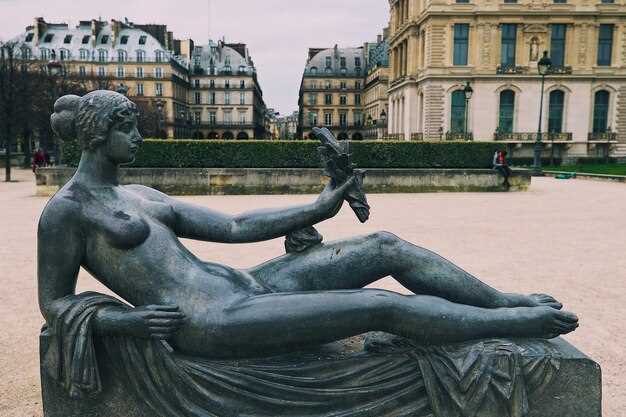
At the Louvre, the iconic sculptures serve as essential elements of the experience, where every visitor can find something unique that resonates with their personal artistic taste. From the oldest statues of ancient 希腊人 和 Romans to the more modern creations of artists like 委罗内塞, these galleries showcase the enduring spirit of human creativity. Whether you are a *first-timer* or a seasoned art lover, plan to devote time to these monumental figures, as they capture the essence of their times and inspire countless generations.
Among the must-see pieces is the 米洛斯的维纳斯, a stunning example of an idealized female form that has captivated the hearts of many over the years. Standing tall and proud, the statue embodies beauty and mystery, inviting viewers to ponder the story behind its missing arms. Additionally, don’t miss the 萨莫色雷斯的胜利女神, a rebellious depiction of movement and triumph, which seems to defy gravity as it stands on the stairs of the Denon Wing, welcoming those who approach with a sense of wonder.
For those curious about the diversity of artistic expression, the Louvre has a rich collection that includes the poignant Psyche Revived by Cupid’s Kiss and the imposing Hammurabi’s Stele, which signifies law and order in ancient civilization. Each work not only invites admiration but also sparks conversations about the past and how we perceive everything today. As you wander through the galleries, take time to appreciate the stories behind these works, for they are more than mere objects; they are the foundations of Western art, inviting you to experience a world where every detail might hold deeper meaning.
The Majesty of Lamassu: A Guardian of the Ancient World
The Lamassu is one of the most iconic figures in ancient Mesopotamian art, originally commissioned during the reign of the Assyrian king Ashurnasirpal II. This remarkable sculpture, a composite creature with a human head, the body of a lion, and the wings of an eagle, was designed to serve as a powerful guardian at the entrances of palaces and temples. Today, visitors near Paris are drawn to the Louvre to witness this extraordinary creation, which symbolizes protection and strength.
Standing at nearly 5 meters tall, the Lamassu commands attention with its imposing presence. The figure seems almost alive, with a face that expresses a blend of power and wisdom. It is said to reflect the artistic principles of the Assyrians, who believed that their guardians would ward off evil spirits and safeguard the sacred spaces within their cities. Unlike the naked sculptures popularized by the Romans, the Lamassu is adorned with intricate carvings that highlight its majestic nature.
During the French Revolution, many sculptures and artifacts were removed from their original locations. However, the Lamassu was fortunate to be preserved and is now one of the must-sees at the Louvre. Each detail of the Lamassu serves a purpose, and every visitor is invited to contemplate the history behind this masterpiece. Clearly, the Lamassu is more than just a sculpture; it represents the enduring power of ancient civilizations and their beliefs.
Among the most beloved pieces in the Louvre, the Lamassu stands out not only for its size but for its cultural significance. Visitors often find themselves captivated by its tranquil gaze and the stories they believe it holds. Despite its ancient origins, the Lamassu continues to speak to people today, bridging the gap between cultures and time periods.
| 特点 | 说明 |
|---|---|
| Height | Approximately 5 meters |
| Composition | Human head, lion body, eagle wings |
| 文化意义 | Guardian of sacred spaces |
| 地点 | The Louvre Museum, Paris |
| Original Commission | Ashurnasirpal II, Assyrian King |
As we navigate the vast collections in the Louvre, the Lamassu remains a testament to the real artistry of ancient creators. While many sculptures in the museum may depict the naked form of hermaphroditus, the Lamassu stands proudly clothed in symbolism and history. Its presence invites contemplation about the lives of those who served as its builders and the cultures that esteemed it.
In conclusion, a visit to the Louvre would not be complete without spending hours in front of the Lamassu. This symbol of protection embodies the complexity of ancient artistry and spirituality. Between its sculpted features and rich historical context, the Lamassu secures its place among the most significant artworks in the world, ensuring its position as a true guardian of the ancient past.
Venus de Milo: History Behind the Famous Beauty

"(《世界人权宣言》) 米洛斯的维纳斯, often regarded as one of the most beautiful sculptures in the world, is a Hellenistic masterpiece that has captivated visitors since its discovery. Originally found in 1820 on the Aegean island of Milnos, this 女性 statue represents the goddess of love and beauty, Aphrodite. Today, she stands proudly in the Louvre, where people flock to see her, making her a must-visit for anyone in Paris.
The statue is remarkable not only for its artistic value, but also for its intriguing history. The Venus de Milo was discovered by a French peasant, who initially thought it was just a beautiful piece of stone. Little did he know that it would become one of the most famous artworks of all time. Once it arrived in France, 国王 Louis XVIII made plans to display it in the Louvre, cementing its status as an important cultural icon.
Interestingly, the statue is often associated with the theme of missing elements in art. Many are familiar with the fact that the Venus de Milo is missing both of her arms. Speculation surrounds how these limbs were lost, with theories ranging from accidental damage to deliberate 被盗 removal during the statue’s tumultuous history.
Today, the Venus de Milo attracts countless 新手 visitors who step into the museum with the desire to see her in person. Many tourists express awe at her 超凡脱俗 beauty, with the graceful movement of her form capturing the essence of 莱昂纳多 da Vinci’s and other great sculptures of the time. She is not just a static figure; rather, she embodies a sense of life and energy that resonates with onlookers.
As visitors approach the Venus de Milo in the Louvre, they often think of her as more than a mere artifact. She represents a rebellious spirit of classical beauty, evoking ideals that challenge the norms of her time. This perfect fusion of form and artistry ensures that she remains a pivotal part of art history.
Although there are many lesser-known works nearby, the Venus de Milo always tops the list of must-see attractions. As people walk through the grand halls of the Louvre, they can’t help but be drawn to her elegance and allure. Visitors often gather around her, exchanging stories about their admiration for this iconic figure.
Whether it’s a trip to see the 米洛斯的维纳斯, or a cultural journey through medieval art, the Louvre has been carefully built to ensure that every visit is meaningful. In the midst of all the masterpieces housed here, this particular lady of stone steals the show, symbolizing eternal beauty and artistic prowess.
In conclusion, the Venus de Milo stands not only as an emblem of ancient Greek artistry but also as a testament to the enduring power of beauty. From her original discovery to her place in modern museums, she remains an iconic figure that continues to inspire fascination around the world.