


 English (UK)
  Русский
  বাংলা
বাংলা  العربية
  日本語
日本語  한국어
한국어  Magyar
  Norsk nynorsk
  Türkçe
  עִבְרִית
  Español
  Čeština
  Svenska
  Português
  Ελληνικά
  Suomi
Suomi  Nederlands
  Română
  Italiano
  Français
  Polski
  Українська
  Deutsch
  简体中文
简体中文  Slovenčina
  Српски језик
  اردو
اردو  Azərbaycan dili
  O‘zbekcha
  አማርኛ
አማርኛ 

Act now: contact the airline through the official channel to rebook, request a refund, or obtain a voucher. Your rights are protected, and the carrier must offer options that allow you to continue your trip. Check the official itinerary in your confirmation and remember the event times; respond before the last minute to secure a similar or higher-class option on the next available flight.
Under many jurisdictions, in cases where a flight is canceled or significantly changed, the airline must offer a reroute on the next available flight or a refund to your original method of payment. They should provide care such as meals or hotel accommodations for delays, depending on the length of the event and the policy from the airline that operated the flight. This approach ensures you reach your destination with minimal disruption and helps you and your members avoid extra costs.
Before you proceed with other options, prepare a concise request: which route would you prefer, a refund, or a voucher. Have your booking reference from the confirmation email, and gather the originally booked details. Originally, you booked with that airline from that hub; now confirm the replacement in the official system. Gather documents: boarding pass, receipts, and payment records. Remember to keep a calm tone to speed resolution times.
Use the official app or website to submit requests and monitor status; this allows you to choose the best option and reduces the risk of trick offers from nonofficial sources. If you are unsure about any offer, ask for written confirmation from the airline and check the terms before you accept. For groups, remember that the policy typically covers all members of your party, and you should coordinate through the original booking.
Keep records and follow up: note every interaction, time stamps, and agent names. In most cases responses come within 24–48 hours; if you are traveling from a major hub, you may see faster rebooking options. If the airline fails to resolve the case promptly, file a formal complaint with the airline and, where available, with the national regulator. This approach protects your rights and provides a clear path to compensation when applicable.
Flight Change or Cancellation: Your Rights & Compensation Guide
Start by requesting a replacement flight or a refund now. If your flight has been changed or canceled, you will have the right to rebooking at no extra cost or to a refund for the unused portion.
During the disruption, ask for necessary care: meals, a hotel if the delay requires an overnight stay, and transport to and from the airport.
Refundable tickets give you a full refund when the carrier cancels; for nonrefundable tickets the airline may offer a replacement or a credit, and reimbursement for eligible expenses can be requested.
Keep receipts for financial outlays such as meals, hotel, and alternate transport; these costs could be reimbursed by the carrier or regulator under policy. Save all documents above and beyond the ticket cost.
Steps to file a claim: gather flight details, booking reference, and receipts; submit via the airline app or website; specify your preference for replacement or refund; attach supporting documents.
If the airline refuses, consult an expert or legal adviser; many jurisdictions provide consumer protections, and a formal complaint can escalate the issue.
Cheaper options: compare purchasing a replacement ticket with another carrier; decide which route minimizes total cost while meeting arrival needs; buying a replacement could be cheaper, but verify baggage and change policies, since the schedule might shift and you will want to avoid surprises.
If you travel with members of your business team, flag the change to your travel manager; next steps include rebooking, notifying teammates, and aligning on arrival times.
What to Do If Your Flight Is Changed or Canceled: Rights & Compensation
Act fast: verify what changed, email the company to request a refund or a rebook that fits your schedule, and protect your rights from unexpected costs.
First, gather details: tickets, booking reference, departure and destination, original and new departure times, and any notices from the airline. If your departure involves paris or a connection there, note security lines and transfer steps to avoid missing a subsequent flight.
- Check fare restrictions and any deals offered for rebooking or refunds; some fares limit options, while others allow flexible changes.
- Preserve receipts for meals, hotel, or ground transport if you incur out‑of‑pocket expenses during a disruption.
Right now, you can expect the airline to provide several options, depending on the disruption and local rules. Here are the typical rights you can claim and the steps to take.
- Refund to your original payment method or a travel voucher if you prefer not to travel.
- Rebooking on the next available flight, or an alternative route that minimizes disruption, at no extra cost.
- Care provisions when an overnight stay is necessary: meals, hotel, and local transportation between the airport and hotel.
- Clear, timely details about the change, the reason, and the expected new schedule.
- Compensation where applicable, according to local rules and flight distance; file a claim if you believe you qualify for compensation.
To claim or dispute a decision, follow a simple process that keeps your options open. This aims to be straightforward and easily repeatable across cases.
- Submit a formal claim via the airline’s official channel (online form or email) and attach tickets, booking reference, and any change notices.
- Specify what you want–refund, rebooking, or compensation–and outline the costs you incurred without delay.
- Request a written reply within a reasonable timeframe; if the response is unsatisfactory, file a dispute with the airline or the relevant aviation authority.
- Maintain a clear trail of communications, including dates, times, and names of representatives you spoke with.
- If needed, leverage travel insurance or consumer protection resources to support your claim and ensure you meet all criteria for compensation.
Practical guidance to minimize disruption: act while you are still at the airport to explore the best departure option, compare alternative flights and routes, and confirm connections before finalizing your plan. If a change triggers overbooking, ask for the next available seat on a comparable itinerary; this often yields quicker accommodation and a smoother transfer, especially for long flights or complex connections. Keep details of all tickets and departures handy, and stay mindful of any security or visa considerations that may affect your schedule. Therefore, start with a clear objective, whether it is a full refund, a flexible change, or compensation, and pursue it through the channel that best fits your itinerary and aims.
Identify Your Rights Based on Route, Airline, and Timing
Check your route, airline, and timing now to identify rights you can claim and the actions you must take. Understanding these basics helps you act quickly when delays or a cancelled flight occur. Start by pulling your original booking documents and noting the flight number, date, and scheduled times.
Route matters: domestic or international routes, and whether the carrier is a cheap fare line or a legacy airline, change what gets offered. For shorter delays, those on the original schedule often get meals and free access to customer service; for longer delays or a cancelled flight, ask for an alternative route (alter) or a return on the next available flight.
Ticket type and policy: If a ticket is nonrefundable, you still have rights when a flight is cancelled. In many cases you can choose a refund of the price or rebooking on a similar or cheaper option. For delays, providers may offer meals, vouchers, and hotel stays if the disruption lasts. Save all receipts for any expenses caused by the delay, and keep the original itinerary and those documents that prove the disruption.
Timing and options: when delays extend into times closer to departure, airlines may offer a paid or complimentary alternative; if the flight is cancelled close to departure, you can demand a full refund or be rebooked. If a return flight is required to go back to the origin, it’s usually included in the option set. Always request meals and hotel when needed and confirm coverage for transport costs.
What to document and how to decide: keep all documents, ticket, boarding pass, receipts, and the details of any promises (like meal vouchers or hotel). Compare the price and travel times of the offered options, then choose either a refund or a rebooking depending on your ticket and timing. If the airline charges you for rebooking, ask for a refund or credit and record the charge. If you paid for any add-ons, request a refund of that payment.
Where to file complaints and how to pursue refunds: if you believe the airline did not meet its obligations, escalate to a supervisor, then file a complaint with the airline’s customer relations or a national enforcement body. A good record of dates, times, and what was promised helps your case with reasonable arguments and faster resolution.
Tips for quicker resolution: ahead of a disruption, download the airline app and enable notifications; in the moment, keep calm, speak with a human agent, and present your documents. Being prepared with a backup plan–a cheap alternative, a different airport, or alternative times–gets you the best result and protects your financial interests as passengers.
Request the Best Remedy: Cash Refund, Rebooking, or Travel Voucher
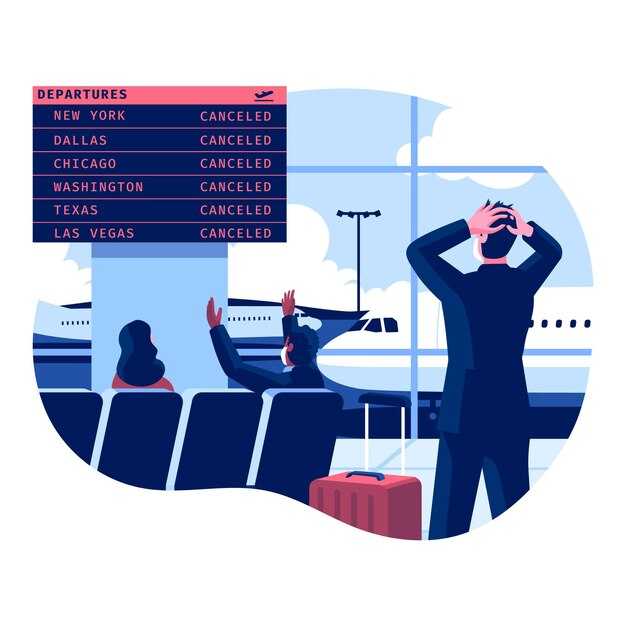
Whats the best first move? Request a cash refund to secure reimbursement quickly; this keeps funds liquid and avoids future costs. If the cancellation is on the airline’s side, you typically have the right to a direct cash refund rather than a voucher. Gather your documents: booking reference, flight numbers, cancellation notice, and a government ID. File the request within the daysalternative window your carrier allows, and track progress until the refund arrives in your account. If the disruption was caused by weather or other factors, policy may vary, and the option to refund might depend on the carrier’s interpretation of responsibility. If the option wont cover a cash refund, move to rebooking or a travel voucher and what it may allow.
Rebooking lets you stay on a service you already know, often with fewer steps than a cash refund. It depends on seat availability and the new departure; you’ll see options between two or three nearby times. If your scheduled trip is disrupted, this path makes sense because you can choose a departure that fits your plans. Compare lower costs for earlier alternatives against higher costs for later dates, and check whether the airline covers change fees or only reissues the ticket. Mind the deadlines, and note that some change fees may be waived when canceling is initiated by the carrier. Some passengers face a fee that makes the total higher, so read the terms before you accept. You are able to pick between options that suit your schedule and budget.
Travel vouchers suit travelers who don’t need funds immediately or who plan to fly with the same airline in the near future. Acceptance depends on the carrier’s policy; some vouchers cover taxes and fees, some don’t. Check the expiration date and whether the voucher can be used for multiple tickets. If you accept a voucher, read the fine print to avoid losing value through blackout dates or restricted routes. This thing can be useful when you’re not in a hurry to travel and want to keep flexibility.
To speed up any option, assemble your documents: booking reference, itinerary, proof of cancellation or delay, and ID. Note the deadline for requests; missing documents or late submissions can delay reimbursement or rebooking. If the airline asks for additional documents, respond quickly to keep the process moving. If you’re canceling due to the disruption, include a brief note on what happened so that the agent has context and can act faster.
Prepare Documentation: Tickets, Boarding Passes, Receipts, and Communications

Gather all travel documents now and save them in one folder on your device and in cloud storage, then print backups if possible. Keep copies accessible on your phone, your computer, and at home, depending on connectivity. Use the airline’s website under your account to pull the latest itinerary and generate updated copies. If you travel with a companion, share copies with them.
What to collect: tickets (e-tickets or PDF), boarding passes (digital or printed), receipts for any reissues, change fees, or extra charges, and all communications related to the change (emails, SMS, chat transcripts, and call notes).
Details to log: booking reference, flight number, date, origin, destination, passenger name, fare type, and amount paid. Mark payment method (cash or credit) and currency. Record the times of key updates and the names of agents you spoke with. If a note names scott, log it as a reference.
Document your interactions: save the names and badge numbers of representatives, reference numbers for each case, and the channels used (phone, website chat, email). Create a simple timeline in a note so you can reproduce what was promised, then use it when you request a reroute or refunds.
Bereavements and other emergencies: keep support letters or hospital or funeral documentation handy, and attach any airline notes that acknowledge special handling. Maintain bearing on the plan during processing to help agents align options quickly.
Reroute and replacement steps: note new itinerary details, including new flight numbers, times, and any connections. If you face a continent-spanning reroute, confirm transfer points and terminal changes. If the reroute crosses a continent, confirm transfer options. Keep all updated prices and payment changes in a single file for quick reference.
Storage and accessibility: put copies on the airline’s official website, in your email folders, and in a secure local folder. Consider a printed sheet in your carry-on with the basics: name, booking ref, numbers, and the latest schedule. Use a consistent naming scheme to locate files fast, then maintain a calm bearing when presenting docs at the desk.
| Document category | What to collect | Storage tips | How to use at the desk |
|---|---|---|---|
| Tickets / Itinerary | Booking reference, flight numbers, dates, origin/destination, passenger name | Save as PDF, keep on device, copy to cloud, back up with a printed version | Show at check-in or gate; use to verify changes and reissue options |
| Boarding passes | Digital or paper passes, any new gate or boarding group info | Store in wallet, print backup, keep accessible offline | Scan at security and boarding; present the latest version if a reroute is issued |
| Receipts / payments | Receipts for changes, reissues, extra fees; amount paid; payment method (cash or credit) | Label clearly (Date-Flight-Amount), save as PDF or image | Use when requesting refunds or credit; provide to desk or call center for fast processing |
| Communications | Emails, SMS, chat transcripts, app messages; timestamps | Export or screenshot; store by flight date | Reference promises and timelines; show to agent to confirm options |
| Special circumstances | Bereavements documents, medical notes, or other supporting docs | Attach to file and give to agent if needed | When requesting flexibility, present together with the current schedule |
How to Submit a Compensation Claim: Step-by-Step Instructions
Collect all documents before filing: tickets, boarding passes, receipts for extra costs, and the original payment card details. This full set helps you quantify the cost and the amount you request, and it lets you attach everything simply and clearly to support your claim.
Determine which regulations apply to your flight to confirm eligibility. The rules depend on flight distance, delay length, and whether the disruption was caused by the airline. Keep the источник of regulations handy and reference it when you fill the form; this ensures you present a solid basis for your claim.
Step 1: Prepare your claim by listing the key facts: flight number, date, airports involved, disruption type, and the amount you request. If you paid for additional services or nonrefundable tickets, include those costs too.
Step 2: Gather support documents. Attach boarding passes or e-tickets, receipts for meals, hotels, and transportation, and any proof of extra costs. These documents help you show the cost and support the amount you claim; you can submit either screenshots or scans, depending on the airline’s portal.
Step 3: Choose the submission channel. Use the airline’s compensation portal, email, or postal address; many carriers offer a dedicated form that guides you through the fields. If the portal is flexible for cases with limited connectivity, you can submit later, but aim to complete within the deadlines; simply follow the instructions to avoid delays.
Step 4: State your refund method. You can request the refund to the original card, or you may select a voucher if allowed by regulations. Either option will appear in the response, and the airline often offers both depending on the case. If you paid with a different method, note the alternative that applies.
Step 5: Track the next steps. Airlines typically respond within days, but processing times can vary; some responses take 7–28 days. If you haven’t heard back after 14 days, send a polite follow-up and reference your claim number. You can set reminders to check updates so you don’t miss any progress.
Step 6: If the reply disputes the amount or denies the claim, start a dispute process. Gather additional evidence, compare the requested amount with the guidelines, and push for a higher amount where permitted. This depends on the flight’s distance, delays, and whether extraordinary circumstances apply. If needed, escalate to a regulator or to the airline’s ombudsman; the source of the rules will guide you.
Step 7: Consider extraordinary cases and emergencies. In nonstop routes or long-haul disruptions, you may still be eligible for reasonable expenses even when compensation is limited by exceptions. Always check the carrier’s stated regulations, because outcomes vary by case and country.
Step 8: If the airline stalls, use alternative remedies. Some issuers offer chargeback options; simply provide the claim documentation and prove that you requested compensation within the allowed window. With card protections, you may recover costs even if the airline delays payment.
Step 9: Keep meticulous records. Save all communications, note dates and names, and log what happened next. A thorough file ensures you can dispute quickly if they say they haven’t processed your claim or if additional evidence is needed, and it helps you present a higher likelihood of a favorable outcome.
Escalation Paths: When to Contact Regulators, Credit Card Companies, or Mediation
Take these steps: file a chargeback with your credit card issuer within 120 days of a changed or cancelled flight if you did not receive a refund or if the amount charged is incorrect. Include the original ticket, the change/cancellation notices, all emails or messages, and evidence of the payment and any refunds promised. youll document the timeline: purchase date, change date, and when you learned you would not travel.
Then reach out to the airline with a concise summary of what happened and what you want (refund, rebooking, or credit) and give a reasonable deadline, such as 7–14 days. Keep copies of every response and note any delays in the airline’s replies; this will help when you escalate. If you unexpectedly receive a charge or fee, flag it immediately and request reversal as part of your follow-up.
If the airline stalls or the amount is material, consider regulators: file a formal complaint with the consumer protection authority or aviation regulator in your country; add flight details, the ticket number, and the amount involved. Those filings often trigger a formal review and can speed up a resolution. You could also reference the regulator’s online portal to confirm required documentation and timelines, and note how the company responded to your prior requests.
If you do not reach a satisfactory resolution after regulator input, turn to mediation: contact a neutral third-party mediator through your regulator, a consumer group, or a payment network. Youll share the case file and propose a plan, such as a point-to-point refund, a voucher with clear expiry, or a cash settlement. Mediation typically results in a written agreement within 30–60 days and can help resolve the dispute without a protracted court process.
From a practical standpoint, use flexibility: what affects a resolution depends on route, fare rules, carrier obligations, and the amount involved. What you would receive could vary by jurisdiction and the deals offered. Example: cancellations generally require a full refund or a credit, while delays may be handled with alternatives. Catch any extra fees or unfavorable terms; those details matter when you compare offers from the company, regulator guidance, or mediation outcomes. Keep a log of those steps, and note down your keyes (case IDs) and reference numbers for quick follow-up, because those identifiers speed back-and-forth communication and strengthen your dispute.