


 English (UK)
  Русский
  বাংলা
বাংলা  العربية
  日本語
日本語  한국어
한국어  Magyar
  Norsk nynorsk
  Türkçe
  עִבְרִית
  Español
  Čeština
  Svenska
  Português
  Ελληνικά
  Suomi
Suomi  Nederlands
  Română
  Italiano
  Français
  Polski
  Українська
  Deutsch
  简体中文
简体中文  Slovenčina
  Српски језик
  اردو
اردو  Azərbaycan dili
  O‘zbekcha
  አማርኛ
አማርኛ 

Book timed-entry tickets for popular national parks at least six months ahead. Use the official NPS site and a reliable tickets finder to lock in morning windows, when wildlife activity is strongest, and avoid massive crowds. Expect tickets to be expensive during peak season; plan to spread visits across spring and fall to stretch your travel budget and reduce lines.
Build a practical route that links 2-3 parks with short driving legs, reducing backtracking. Check connectivity between your airport arrival and gateway towns, then reserve shuttle or rental-car slots. At each park entrance, arrive early and head to the plaza near the visitor center for maps and permits, which keeps your day smooth and saves time for exploring.
Weather shifts by region and altitude, so pack layers for temperature swings. Start exploring before the sun climbs, and bring sun protection, water, and energy bars. If a storm rolls through, head to sheltered overlooks and have a backup plan.
Purchases and budgeting: estimate gear, gas, and parking fees; consider a yearly pass if you plan to visit several parks in one year. For british travelers from london and sydneys, check visa/ESTA rules well ahead and arrange acceptable travel documents. Keep an eye on park calendars for a festival or special programs that could affect parking and road conditions.
People from around the world plan trips by staying flexible, with short, well-timed blocks for exploring the best viewpoints and wildlife. By starting early and choosing offbeat trails, you can avoid lines and see more without burning out.
Visiting U.S. National Parks in 2026: Planning Tips and Holiday Getaway Guide
Book timed-entry passes at least 8–12 weeks ahead and secure a lodging base within a short drive of your park’s entrance. This avoids morning lines, reduces traffic jams at gate crossings, and gives you a reliable starting point for each day.
Construct a two‑day core plan for every park: identify one or two must‑see sights, then slot a flexible day for rest or alternative trails, as an option. Focus on quick wins and easy returns, and gather dining options and fuel stops in advance. Use a finder tool to map trailheads, parking, and restrooms, then adjust on the fly.
Choose a base location with easy access and consider staying in nearby boroughs or towns that connect to park roads by public transit or short drives. A compact setup near a gateway city reduces traffic and makes day trips smoother, and it helps you find options that fit your pace.
For coastal parks, plan beach days and overlook walks as options rather than full hiking days. If a torchlight walk is offered, sign up early; the torchlight experience adds atmosphere without lengthy detours and keeps energy high.
Budget dining with a practical style includes grab‑and‑go meals, picnic kits, and a plan to re‑fuel at mid‑day. Pack a charger for devices, a lightweight stove or kettle if permitted, and a small cooler for water; staying powered helps you stay on top of alerts and watching notices.
Understand the difference between national park passes (America the Beautiful and annual passes) and park‑specific fees. Read official pages and consult an advertiser for current details only if you know the source, use a finder to double‑check, and save time. These steps prevent last‑minute changes and disappointment.
Plan around high season windows, and be ready to adjust for weather. Keep a quick backup route in mind, syne with a friend’s plan, and pace yourself so you don’t burn out. Pair short hikes with scenic overlooks to beat crowds and keep energy steady.
In tight parks, use squares such as visitor centers, ranger stations, and popular trailheads located near parking lots to shorten walks. A well‑placed photo stop can be part of a day without interfering with wildlife watching.
For families or a romantic escape, pick an itinerary that balances activity with downtime and lodging with easy dining options. A compact escape to a nearby park or a different borough can still deliver stunning views and a joyful holiday getaway.
Plan Your 2026 National Park Visits: Tickets, Reservations, and Practical Guidance
Book ahead: lock in timed-entry reservations and park passes through official portals as soon as booking windows open. For popular destinations, secure lodging within your location and allocate stays several months before departure; plan for five days of park time if you target multiple parks. Independently track each park’s requirements and deadlines so you don’t miss slots.
Ticketing basics: Recreation.gov handles most campsite and day-use slots; an America the Beautiful Pass (annual) typically costs around 80 dollars and covers entrance fees at many units. Some parks require reservations for day-use or shuttle services; keep digital confirmations and five-digit reservation numbers handy. When you’re staying in a large gateway city, add 15–30 minutes for drives and traffic.
Itinerary and travel planning: design a plan that spans destinations east of the Mississippi and into key western parks; aim for five distinct stops within your window by clustering routes. If you fly from london, route through a major hub and schedule 60–120 minutes for ground transfers and car rental before you reach the park. Build in frequent rests for meals and photo stops, especially with a larger group. Look for nuwe destinations in partner offers from advertisers and co-brand programs mentioned by official portals to access bundled stays and activities, then verify the exact terms on the official site. Include liberty viewpoints at nearby towns to add historical variety between hikes.
Staying and packing: staying near the park saves time and reduces stress, especially for early starts. Choose lodging that fits your travel style–large lodges, cozy cabins, or campground options–and book early during peak seasons. Check temperatures and environments for your chosen parks and nature displays; high-elevation parks swing from chilly mornings to warm afternoons, so pack layers, sun protection, reliable footwear, and plenty of water. Bring a simple map, a flashlight, and a plan for wildlife viewing that respects animals and habitats.
Practical tips for on-site days: use official apps to find real-time wait times, parking rules, and shuttle schedules; start hikes early to avoid crowds; if a park hosts festivities in nearby towns, plan to visit after your hiking block. Keep a backup budget in the bank and carry a card with a small buffer for emergencies; review co-brand advertiser offers and park partnerships before finalizing purchases. After you’ve booked, mark five must-dos to stay on track and enjoy a smooth, independently managed trip.
Reservation Strategy: When to book passes, campsites, and ranger-led tours in 2026
Book the moment the window opens: passes, campsites, and ranger-led tours for 2026 sell out fast, so secure the core elements within hours of release.
Passes and entry tickets should be purchased early to lock in your permits and avoid last‑minute price spikes. Use the official site for purchases and keep a digital copy handy on a device you reliably power. If you have a platinum credit card, check for any travel protections or early-access perks that apply to park bookings, and use those benefits to simplify the process. Have a backup plan in case a park removes a few days from its calendar; a flexible approach can save you from losing a planned week entirely.
Campsites usually open six months in advance for the majority of high‑demand parks, with rolling openings for less popular areas. Create a core itinerary first, then widen your date range to capture cancellations. Use a dedicated reservation finder to monitor new openings, and set alerts for your preferred parks and campgrounds. Book your first-choice site as soon as it’s available, then immediately lock in alternates to protect your overall schedule.
Ranger-led tours and backcountry permits require a tighter timeline. Sign up as soon as the calendar goes live, typically two to three months before your visit; some programs use a lottery or standby list, so check often and stay prepared with your account details. For torchlight or specialty programs, be ready with all participant information and any required permits the moment reservations open; these fill within hours in peak seasons.
Accommodations and local travel should mirror your park dates. Reserve gateway-town stays early to balance proximity with budget; flights and car rentals should be locked in 2–4 months ahead when possible, especially during holiday periods. If you’re combining town time with park days, consider options in towns with public transit access or easy drive-in routes, and plan around festival or celebration days in the area where bands and nightlife may affect availability and prices.
Tip: stay flexible with your times and dates. Midweek stays and shoulder-season windows often yield quieter crowds and better prices, while still delivering world-class views and spectacular landscapes. If a park offers torchlight tours or special evening programs, align those with your evenings in town to maximize atmospheres without collapsing your schedule into a single crowded block.
Local considerations matter. Some gateway towns host birthday celebrations or town-wide events that affect accommodations and traffic; map out a few nearby options in case you need to shift plans. When you’ve been chosen to lead a family trip or a group adventure, start early and keep a backup plan ready, including alternative parks that share similar scenery and trails.
Checklist for 2026 planning:
- Identify your must-see parks and key ranger-led programs; mark their booking windows in your planner.
- Set up a single account on the reservation system and enable notifications.
- Use a finder to monitor cancellations and alternate dates.
- Choose your passes, then secure accommodations and flights; keep a flexible mindset about dates.
- Prepare your equipment and power needs (keep a spare charger) for smooth check-ins and day-to-day use.
- Plan a balance between public access days and private, quiet time in nearby towns or parks.
Example phrasing you can adapt: “We’ll visit the town for a birthday celebration and catch a bands-filled evening, then move forth to the valley for the morning hike.” This approach helps you optimize nights, daytimes, and evenings across local atmospheres to create a memorable, inclusive park experience with a well-structured flow from Edinburghs‑style festival vibes to Brandenburg‑inspired quiet mornings.
Direct actions to take now: open Recreation.gov or the park’s official site, confirm the dates you want, and begin with passes and accommodations. After you’ve locked those in, target ranger-led programs and any special tours, including torchlight experiences, to fill remaining gaps. By purchasing early and staying flexible, you’ll maximize your world-class access while keeping your budget and energy in balance.
Winter Access and Seasonal Closures: Scheduling routes around weather and park decisions

Plan a two-route strategy for each district: designate a primary winter access path and a reliable backup, with a cross-route option to switch when snow, ice, or closures block a corridor. Build in five potential options per region to keep your itineraries flexible and your pace steady, plus a little buffer for delays. Explore nearby berlins markets and quiet sites with a peaceful atmosphere as alternate experiences if a road closes.
Check five to seven day forecast windows and adjust your plan accordingly; rely on official park alerts, road status pages, and local weather models. If youre main route shows a closure, switch to a parallel corridor with similar elevation to keep the scenery intact and, if feasible, a stop near a broadway district for a quick meal or a stroll.
Road closures vary by elevation and storm track; lower passes may stay open longer while higher routes close after the first heavy snowfall. Use a reliable weather tool to track snowfall totals and wind gusts, and pick routes with lower avalanche risk and safe parking within walking distance to tranquil sites. Watching the forecast helps you avoid surprises.
If youre near an airport, consider loops that share a common hub to minimize long drives after storms. Airports and nearby towns offer flexible stays and quick re-routing, helping you take advantage of annual opportunities and enjoy countless sites without getting bogged down. Take some time to explore a second site that shares similar elevation and scenery.
Partner organizations publish co-branded updates and maps that outline closures, detours, and safe parking options. Use these resources as a single, reliable tool to plan across the five corridors and reduce surprises. In massive winter periods, early bookings and flexible cancellation policies help your party stay on track. The data continues to improve since field teams update gear and access advisories regularly. A bilt-style planning approach links flexible stays with easy cancellation, so you can adjust without penalties.
Evening options matter: bonfire nights at peaceful campgrounds or partner ranger stations add warmth and a welcoming atmosphere. Look for destinations with little traffic and simple access, including basic amenities that keep you and your party comfortable. A membership in related programs can provide early alerts and member-only routes, enabling you to plan with less stress.
Keep a practical checklist: take some essentials, verify road status, confirm fire restrictions, and outline fallback routes. Use a compact tool such as offline maps to stay aware of environments and potential closures. If a plan stalls, take some time to switch to a nearby, lower-elevation site with similar scenery.
In busy districts, spread stays across a few regional sites to reduce crowding and preserve the overall atmosphere. The plan continues to evolve as weather and park decisions shift, so stay connected with partner channels and annual updates to keep your itinerary smooth.
Where to Stay: Campgrounds, lodges, and nearby towns for flexible itineraries
Book a campground inside the park for the first night to head straight to trailheads and catch the sunrise.
Alternatively, mix campgrounds, lodges, and nearby towns to keep your trip flexible. This mix, enabling you to adjust plans for weather, crowds, and energy, helps you face each day with a positive mindset while staying within budget and pace, and it reduces the amount of driving by letting you stop where needed.
Prices vary by season and setting. Campgrounds typically range 20–50 per night, lodges 120–350, and towns nearby 90–180. Fares change with demand; check the park site and official partners for included deals. Most campgrounds accept cards; carry cash as a backup in remote areas. Shared facilities, picnic tables, and fire rings add value for a positive, roaming-friendly trip.
Coastal options let you base near harbor, beach, or cape towns, then roam to head out for canyon hikes or landmark stops. Staying within 60 miles of the park gate reduces backtracking and gives you room to mark a daily plan with a few short stops. In boroughs around some parks, you’ll find markets, transit cards, and lounge spaces to unwind between hikes. A handful of lodges list a bilt option at checkout to provide extra convenience for late arrivals and their included breakfast. Experience the world through varied lodging and scenery, making memories that reflect your values and preferences. Until you decide the pace, this setup remains enabling and flexible.
For polaris map users, planning stops becomes easier and you can roam with confidence.
| Option | Where to Stay | What You Gain | Typical Fares | Booking Notes |
|---|---|---|---|---|
| Campgrounds | Inside the park or adjacent lands | Close access to trailheads, shared facilities, family-friendly layouts | 20–50 per night (varies by park and site) | Reserve when possible; most accept cards; keep cash for self-serve stations; look for shade and proximity to water |
| Lodges | Park-operated inns or nearby towns | Comfortable beds, lounge spaces, included breakfast options; faster access to viewpoints | 120–350 per night | Book 4–6 months ahead in peak season; verify included amenities; check loyalty or rewards cards |
| Nearby towns | Within 15–60 miles; boroughs with harbor or beach access | Flexible pacing, dining and shopping options, lighter crowds | 90–180 per night (hotels/inns) | Check shuttle options; consider 1–2 night stays in a beach/harbor town to reduce backtracking; compare fares with apps |
| Tips for flexible itineraries | All options | Face the day with shorter drives; mark daily targets; shared amenities; includes a stopover if needed | N/A | Keep a backup plan within the park system; use a map app (polaris) to adjust on the fly; aim for fewer long driving days |
Gear, Safety, and Winter Hiking for Parks: Clothing, navigation, and emergency prep
Direct recommendation: Wear a three-layer system: a moisture-wicking base layer, an insulating mid layer, and a waterproof-breathable outer shell. Add insulated socks and a warm hat, plus sturdy boots with winter traction. In november, daylight is brief and temps swing; pack a lightweight balaclava and neck gaiter for quick adjustments during moment of ascent or descent. british brands often emphasize warmth-to-weight balance, which increase comfort on long travels. Note your plan to test fit with a dry run before the hike.
Footwear and traction: choose boots with ample toe room for thick socks; carry microspikes or crampons for icy patches, and practice putting them on in a dry, flat area. Gaiters keep snow out; waterproof over-pants help on slushy days. For 0 to -15 C, store hand warmers in pockets and consider heated insoles if feet get cold. In quieter parks, you are likely to encounter fewer crowds, which helps conserve energy on longer travels.
Navigation and planning: carry a detailed topo map and a compass in addition to a charged phone with offline maps. A GPS app is useful, but do not rely on signal alone; understand pace count and use terrain cues to stay on route. Plan routes with built-in buffers for breaks and weather delays; calculate times using your pack weight and trail difficulty. Note that winter sunsets shorten daily hiking windows; direct your turnaround time accordingly. When a plan comes together, you can link your route to a friend or park service check-in for extra safety.
Emergency prep: carry a personal locator beacon or satellite messenger, a compact first-aid kit, a high-lumen headlamp with spare batteries, and a space blanket. Include a whistle and a fire starter; keep a spare phone battery or solar charger. If you get lost or injured, stay put and use your beacon to share coordinates; if you must move, mark your position and recheck frequently.
Weather and routes: check park alerts for ice, wind, and closures; choose loops with lower exposure on windy days. November can bring sudden snowfall, so pick shorter routes with clear turnaround points; stick to established routes when conditions are uncertain. Move with deliberate steps to avoid breaking crust and conserve energy; maintain a direct pace that matches your fitness and gear load.
Cultural and travel context: if you travel from berlin, zealand or british settings, adapt gear choices to local expectations within the park system. Within compact towns, keep a direct link to gear shops and ranger stations; this supports quick access if gear fails. You’ll notice how cultural norms influence safety practices, pacing, and rest breaks, so adjust your style to the environment you visit.
Practical checklist: pack base layer, mid layer, outer shell; add gloves, a beanie, and extra socks; a traction device; map and compass; backup power; headlamp; whistle; emergency beacon; spare battery; water and high-energy food for 24 hours; plan start and turn-back times; share plan with a friend; check weather and park alerts before departure; when you return, note what worked and what to improve for redemptions if missteps occurred. Monitor the connection to nearby towns and consider nightlife opportunities, but keep to early starts to stay safe and comfortable.
New Year Park Events and Stargazing: Maximizing celebrations and dark-sky opportunities
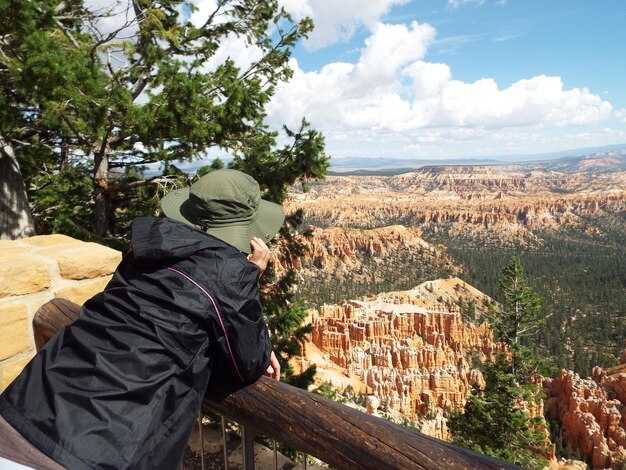
Reserve a ranger-led First Day Hike on January 1 and then join a guided stargazing session under a dark sky. This pairing delivers daylight movement and night-sky wonder in one trip, maximizing festive celebrations and natural experiences.
overview: Plan around two anchors: a daylight hike on terraces opened for winter views, and an evening program led by rangers or volunteers. Check official park calendars for First Day Hikes, festive markets, and night-sky events; they appear under the heading for New Year celebrations.
Night tips: Bring warm layers, a red flashlight to protect night vision, a compact chair for long viewing, and a thermos of a hot drink. dont forget daylight hours shift with the season, so arrive early and pick a dark, natural spot to maximize the window from daylight to starlight. breaks give you moments to reset between programs. For group visits, designate a lead to coordinate sign-ups and seating.
Culture, dining, and performances: Some parks host festive markets with stalls offering snacks near dining terraces; terraces opened for winter dining provide vantage points for singing by artists. Look for programs from European, Cathay, and Arab groups; these offerings bring four shared experiences and may include short talks in nearby museums. Interpreters may weave liberty-era stories to connect the celebration with local history. As night falls, you may hear syne sung softly while the sky deepens and the stars come into view, inviting you to look forth toward the delta viewpoints and other natural spots.
Four-step plan to make the most: 1) check the overview and calendar; 2) sign up early; 3) choose a spot with natural darkness; 4) pack gear and respect others. This approach helps you enjoy syne and stargazing while keeping breaks minimal.