


 O‘zbekcha
  English (UK)
  Русский
  বাংলা
বাংলা  العربية
  日本語
日本語  한국어
한국어  Magyar
  Norsk nynorsk
  Türkçe
  עִבְרִית
  Español
  Čeština
  Svenska
  Português
  Ελληνικά
  Suomi
Suomi  Nederlands
  Română
  Italiano
  Français
  Polski
  Українська
  Deutsch
  简体中文
简体中文  Slovenčina
  Српски језик
  اردو
اردو  Azərbaycan dili
  አማርኛ
አማርኛ 
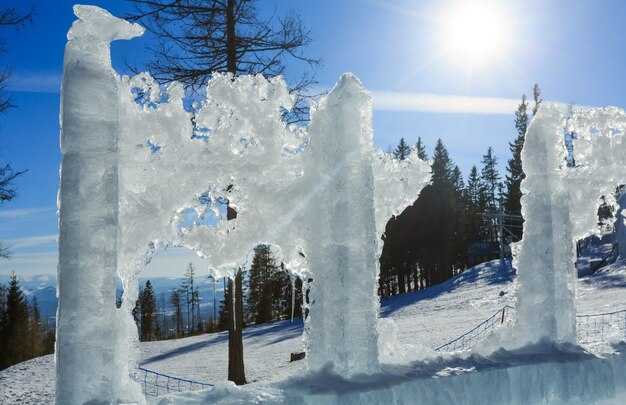
Begin with sorrisniva for a quintessential Arctic night. Those ice rooms glow with soft hues, and the heating keeps you toasty as the cold outside lingers. In the nearby village you can taste local flavors and chat with hosts who share tips to explore the frozen surroundings through guided walks and snowshoe trails that reveal the heart of the Arctic.
Beyond that standout, the top 10 stretches across Finland, Sweden, Canada, and beyond, offering unikal ice-hotel experiences such as apukka in Finland and the famous Icehotel in Jukkasjärvi. These stays lean on glamping comforts while preserving ice artistry, with muhtasham light shows, hot beverages, and common rituals that make guests feel at home. The properties are ulandi via shared activities, from aurora safaris to sauna rituals, and the area around each site often feels like a tiny, magical village of ice.
Expect room counts to range from a dozen to several dozen, with suites carved from ice or warmed by compact heating systems. Each stop adapts the hajmi and layout to steady comfort, from glass igloos that keep the northern light visible to cabin-style blocks that feel cozier. Those design choices hint at a million star sky potential when the clouds clear, inviting you to oʻrganish the night through the frosted glass.
Practical tips help you maximize the experience: book early, confirm heated sleeping options, and ask about accessibility for kids or mobility needs. These Arctic retreats offer a rare blend of glamping and ice art, so you can compare options like sorrisniva, apukka, Hôtel de Glace, and other settings to tailor your Arctic escape.
Practical Guide for Visiting Ice Hotels
Pack two bags: a waterproof day bag for layers and a small overnight bag for must-haves. Include a compact thermos, a warm hat, and thermal socks to stay comfortable.
Plan your route with a local map and check road conditions before departure; winter roads require slower speeds and extra time, especially on remote sections, and plan for 20-30 minutes more.
Choose a stay with clear access and nearby facilities; ask about direct access to tubs or a private viewing deck, and confirm dining options before arrival.
Near the lake, ice hotels create a magical backdrop; the heart of the experience is warmth from the central stove, so wear insulated footwear with grip and keep a second layer handy; well-prepared guests stay cozy even when roofs and glass walls shed cold air. Then step outside for a short stroll to admire glød on the ice.
Morning routines matter: start with a warm beverage, then take a short walk to catch the glød on the ice, and allow minutes for your body to adjust.
For photos, keep a light camera and a small tripod; also bring a spare battery, and a quick slideshow afterward helps share the scene with friends back home.
Nearby options for a tourist: visit sorrisniva in Alta for a classic ice stay; a detour to mosjøen or kirkenes can extend your trip if weather cooperates.
first check-out times, then plan a relaxed road back and a warm breakfast, with time to collect bags and snap a final view of the lake before departure.
Getting There: Transportation options to ice hotels worldwide
Book a direct flight to Kiruna (Sweden) or Rovaniemi (Finland) and arrange a husky-sled transfer to the ice hotel. This quick start side of your trip puts you close to the night skies and a quiet pond, creating the moment when the ice hotel first comes into view.
From larger international hubs, fly into a national gateway city and take a shared transfer with your resort package to simplify the trip. Resorts in this niche offer bundled transport, so you receive coordinated arrivals and a smoother check-in.
Icehotel Jukkasjärvi is located about 28 km from Kiruna Airport, with a road transfer taking roughly 25–40 minutes. The ride along the side of the Torne River reveals a quiet, snow-blanketed landscape and sets the tone for an unforgettable stay.
Arctic SnowHotel & Glass Igloos in Rovaniemi sits near the Arctic Circle and is reachable by a 15–25 minute drive from Rovaniemi Airport. You can add a short stop to photograph a frozen pond, and the experience itself feels intimate; the shared warmth of the lobby helps you relax after the cold exterior, truly inspiring the first moments of your visit.
Norway’s Sorrisniva Igloo Hotel in Alta is reachable by a domestic flight to Alta, followed by a 30–40 minute road transfer. You can arrange a guided snowmobile or dog-sled ride for the last leg, or simply enjoy the night at the resort. The size of the ice rooms varies, and some larger suites offer views that circle overhead with a sprinkle of stars, enhancing the atmosphere.
Hôtel de Glace near Quebec City is located within a 25–35 minute drive from the Jean-Lesage International Airport, with many packages that include a winter activity like snowshoeing on a nearby pond. This adds to the overall experience and helps guests receive a broader sense of winter life in the region.
Temperatures inside the ice structures are kept comfortable, but expect lows around -5°C to -20°C, equating to roughly 23 fahrenheit to -4 fahrenheit. Always pack thermal layers and plan for outdoor photos; there can be a short wait for transfers after check-in, but the calm after arrival makes the wait worthwhile. There’s a genuine sense of inspiration in every stay, and the experience itself invites you to relax and savor a truly unique national retreat, thats the core appeal of these ice resorts.
Room Features: What to expect inside ice and snow accommodations
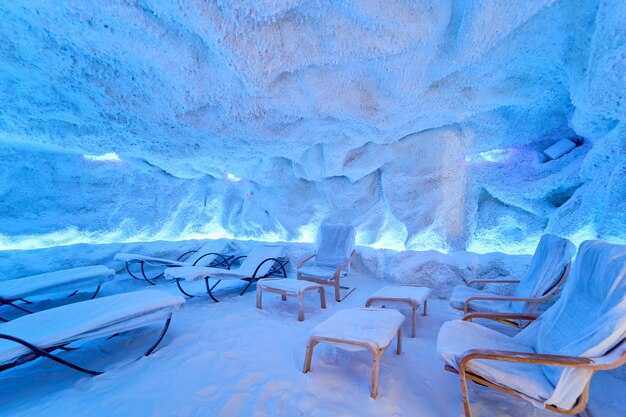
Book a nine-suites icehotel room with attached common spaces to balance isolation with service. Guests receive a warm sleeping bag rated for arctic conditions, and beds carved from blocks of ice lie atop reindeer hides, tucked under a thick blanket for comfort during the night. This setup delivers warmth through layering and body heat while preserving the frost-laden aesthetics you came for.
Across the suite lineup, several themes emerge: Christmas motifs, Norwegian craftsmanship, and arctic palettes that echo forests and frost. Each room features ice-carved furniture, soft lighting, and a dedicated resting area. This approach remains popular for couples and small groups seeking a retreat that feels magical yet practical.
The nine suites sit in blocks around shared lounges, and the property is rebuilt each winter to keep the mood fresh. Guests can explore a compact, easy-to-navigate layout and receive attentive service as staff extend hospitality–think hot drinks after chilly explorations and a warm welcome back to the room. This design keeps the experience cohesive across the entire icehotel.
To maximize warmth and comfort, dress in layers, bring thick socks and a wool hat, and use the provided thermal bag and blankets. Choose a suite with thicker insulation or walls facing interior courtyards to extend warmth during deep frost. If you stayed here before, you’ll notice new motifs as the blocks are rebuilt, while the overall arctic vibe remains consistent across the seasons. For an extra escape, plan to visit during Christmas markets in nearby towns and enjoy this unforgettable retreat.
What to Pack: Clothing, gear, and warmth items for extreme cold
Start with a reliable base layer: a merino wool top and bottom that wick moisture, stay warm, and let you move with ease. Across lofoten, norway, and finland, this setup keeps those travellers dry and ready for action, like a reliable foundation for any winter plan.
Pair this with a versatile mid-layer: fleece or light down that traps heat without bulk. Some options breathe well, a design that has been tested in winds across the Arctic, balancing warmth and mobility so you stay comfortable during slow walks or long treks.
Top it with a shell that taqdim etadi weather protection: waterproof, windproof, and well-sealed at the wrists and neck. Venting zippers help when you heat up after a strenuous climb, and they keep you dry across snow and drizzle. Other options exist, which you can tailor to your trip.
Hands and feet demand care: bring two glove systems–liner gloves for dexterity and insulated gloves for real cold. For feet, pack two pairs of socks (one thin, one thick) and insulated, waterproof boots. Four extras like spare liners, a heat pack, dry gloves, and an extra pair of socks guard against damp days.
Head and face protectors matter most: a windproof beanie, a balaclava, and a neck gaiter. A compact face mask helps on windy ridges; glød returns to the cheeks when you slow down and breathe hard.
Warmth on demand comes from extras like chemical hand warmers, a small power bank for heated gear, and a lightweight blanket for airport waits. Plus, pack a spare hat and a tiny towel to dry damp items, in case you need them to stay comfortable.
Storage and organization matter: use a compact kit with a dry bag, zipped pockets, and quick-access layers. Poyezd your packing routine so you always know where to reach warmth and protection when the wind picks up on the ridge, and you’ll thank yourself later.
In famous destinations that attract a million visitors each winter, this approach to clothes and gear ensures you stay warm, comfortable, and stylish–all while keeping the focus on the yurak of the experience, increasing your imkoniyatlar of a memorable trip.
Dining and Amenities: Meals, spa, and on-site activities
Book the Nordic tasting dinner in inari and pair it with a private sauna ritual–youre set for a memorable night. Combine a forest stroll with a sunset sauna and a warm cabin after dessert to see ice in a new light.
Meals center on local Arctic ingredients: Arctic fish, reindeer, cloudberries, and pine-smoked herbs. Reserve the tasting menu or seasonal dinners in advance, especially during peak periods, to secure a slot. Some hotels arrange private dining in a little cabin or on seløy island for a truly intimate setting.
Spa and wellness cover multiple saunas, steam rooms, and infrared options, plus underfloor heating in common areas. A cold plunge completes each cycle. In inari and ivalo setups, sauna cabins with glass walls overlook the forest or island lights, so you can keep seeing the night sky while you reset. If you’re traveling with family, claus-themed moments during holidays often include kid-friendly rituals and stories; you can arrange a special session for your group too.
To keep the flow, ask the front desk to arrange a brief slideshow of local sights after dinner for a relaxed finish to the day. Reach out on whatsapp to coordinate last‑minute reservations or private dining experiences farther from the city setting.
| Manzil | Ovqatlanish | Spa & Wellness | On-site activities | Eslatmalar |
|---|---|---|---|---|
| inari ice retreat | Nordic tasting menu with Arctic fish, reindeer, cloudberries | 4 saunas, ice plunge, underfloor heating | snowshoeing, forest walk, ice sculpture, sauna rituals | private cabin dining available; ideal for little groups |
| ramberg lodge | smoked salmon, game meats, berry desserts | outdoor hot tub, traditional sauna, infrared room | dog sledding, snowmobile trips | family-friendly cabins; arrange group meals |
| seløy island lodge | seafood feast, island herbs, pine-smoked cheeses | steam sauna, cold plunge, private sauna pod | island-hopping, kayak, sunset viewing | remote setting; great for couples and privacy |
| ivalo lakeside inn | local fish dishes, reindeer cream, berry desserts | underfloor spa hall, sauna rituals | forest trails, aurora watching with guides | easy city connections from ivalo; convenient transfers |
| seløy northern retreat | chef’s tasting in a glass-walled dining room | ice-suite sauna, panoramic views | igloo cabin stays, star-gazing sessions | holiday programs with claus appearances; book early |
Booking Strategy: Seasonal timing, pricing, and cancellation tips
Book winter stays 60–90 days in advance to lock in lower midweek rates, and choose an offering with flexible cancellation during festive periods.
-
Seasonal timing:
- Peak winter (December–February) yields the highest nightly rates; plan to book early in the season or target late February for better value.
- Should you target November or March, you’ll see more availability and steadier prices, while still enjoying those aurora-ready skies.
- Regions such as Norway, Ruka, and kvaløya often open for winter bookings at the start of the season; look for properties that opens with morning check‑in options and dependable night access.
-
Pricing insights:
- Midweek nights (Sun–Thu) usually run 10–25% cheaper than weekends; book a 3–4 night stay to maximize savings.
- Longer stays can unlock incremental discounts; a 5–7 night plan may trim the total by 5–15% versus a shorter visit.
- Packages that bundle meals, access to a sauna, or guided tours can boost value even if the base rate is higher; verify if sauna sessions, tours, or festive activities are included.
- Set price alerts and compare direct bookings against aggregators in the weeks before you buy, since prices drift with demand and stock.
-
Cancellation and risk management:
- Prefer free cancellation up to 14–30 days before arrival; it matters during volatile winter weather or travel disruptions.
- Non-refundable rates offer the lowest price, but only if you can absorb losses if plans shift.
- Read penalties tied to weather or transfer delays; many remote spots in Norway or on kvaløya waive fees if a disruption affects your itinerary.
- Consider travel insurance that covers weather-related delays and interruptions, especially for early morning departures or late‑season trips.
-
Booking tactics:
- Set up alerts for your preferred area and filter for flexible rates; use the slideshow/visual gallery to compare room types such as cottage, double, or luxurious suites.
- Look for offers that include a morning start or late-night checkout; some properties advertise night-friendly options to maximize time on site.
- Keep options open for different roofs and interiors; a cozy cottage with a double bed can deliver a calmer stay during busy periods.
- Plan around local activities: winter tours, snowmobile safaris, or spa days; a bundled package can justify premium if the experiences are compelling.
Here, compare options across areas such as Ruka, Norway’s northern coast, and kvaløya to balance scenery, access, and price.