


 O‘zbekcha
  English (UK)
  Русский
  বাংলা
বাংলা  العربية
  日本語
日本語  한국어
한국어  Magyar
  Norsk nynorsk
  Türkçe
  עִבְרִית
  Español
  Čeština
  Svenska
  Português
  Ελληνικά
  Suomi
Suomi  Nederlands
  Română
  Italiano
  Français
  Polski
  Українська
  Deutsch
  简体中文
简体中文  Slovenčina
  Српски језик
  اردو
اردو  Azərbaycan dili
  አማርኛ
አማርኛ 
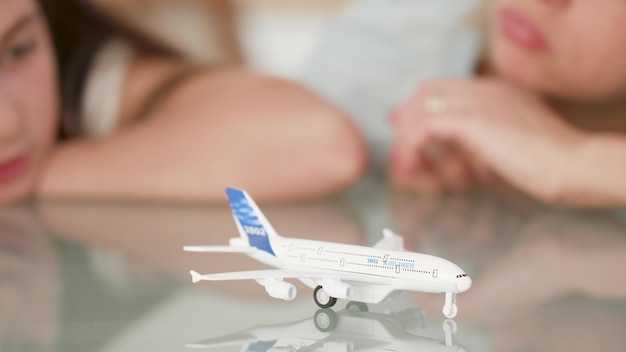
Pack a compact, kid-friendly kit for the flight and keep it within arm’s reach. This is your power move to reduce delays and stress. Include quiet things, a familiar blanket, a wipeable drawing pad, a few washable markers, a snack stash, a pacifier or sippy cup for toddlers, and a small brush for quick cleanup. Keep everything in a soft pouch so you can grab it without rummaging. If your child refuses to settle, rotate activities every 20 minutes and switch to a quick bathroom break or a short walk in the aisle to reset attention. This helps you stay together with your child, and gives you something concrete to rely on when plans drift. Take a moment for yourself to reset when needed.
Choose seats near the aisle and near the bathroom for easy access, aiming for at least two adjacent seats to let a parent sit with the child during rest. If you travel with a second adult, rotate who sits in the middle to share responsibility, while the other keeps an eye on the younger one from the aisle side. On longer flights, a window seat can help quiet curious minds, while the aisle seat keeps grownups flexible for moving and quick trips to the galley. Plan the seat strategy before boarding to minimize surprises.
Use an offline kino library and short videos to provide a predictable anchor. Preload the device with 3–5 age-appropriate options and a few simple games that don’t require internet. For toddlers, limit screen time to 20–30 minute blocks and then swap to a tactile activity; for older kids, longer blocks (up to 40–45 minutes) can work if you also schedule breaks. The goal is to create a balanced mix that keeps everyone engaged without turning the cabin into a theater in the sky.
Plan meals and hydration around the flight schedule. Pack easy, non-messy foods and a reusable bottle to cut trips to the empty tray, and offer small portions to prevent spills. Maintain a simple routine: wash hands before meals, brush teeth after snacks, and read a short story together before naps. After every moving hour, take a quick walk in the aisle or stand and stretch; that tiny movement helps kids settle later. If theres a need for more ideas, consult the источник on this site and post your own tips to help other families travel with confidence.
For older siblings, turn travel time into small projects: a scavenger hunt around the cabin, a pocket diary to note things they observe about clouds or seats, or a simple math game with sticker counts. Set clear roles to build teamwork: one child controls a timer, another handles snacks, and a third keeps a log of what they learned about the flight. When tensions rise, acknowledge feelings, reset with a calm breathing exercise for a minute, and remind them that this hour will pass and the next will begin. Never force cooperation; once they try, celebrate small wins and move forward together, building a routine that their family can repeat on the next trip.
Long-Haul Flights with Kids: Practical Guide
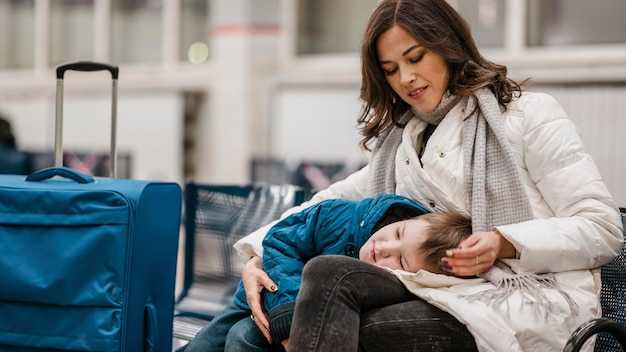
Always pack a compact, clean kit in front of your carry-on: a bottle, healthy snacks, a small drawing pad, and a few hands-on toys to cover the first hours of the flight.
Then set expectations and a simple rotation of activities to keep both minds busy and bodies active.
- Seat choice: pick front or aisle seats when possible to ease access for meals, bathroom trips, and quick stands during three-hour stretches.
- Choosing entertainment: mix screen time with hands-on options like coloring, stickers, and small games; organize items in one pouch so you never search empty pockets for a needed item. Both quiet and active options keep interest high.
- Movement plan: plan the least disruptive transitions with regular short breaks in the aisle to stretch legs and prevent stiffness.
- Hydration and feeding: offer water regularly using a spill-proof bottle; carry small, nutritious snacks from trusted products; aucello snacks can be a reliable source during long flights.
- Sleep strategy: adjust to the destination time zone gradually; use a lightweight blanket and eye cover if tolerated; a quiet playlist helps with naptime in the front cabin area.
- Screen policy: use screens sparingly and prefer educational apps or school-approved content for longer legs; switch to hands-on crafts to reduce screen fatigue.
- Cleanliness and space: keep area tidy by returning items to the pouch or tray; wipe surfaces with approved wipes when safe and always follow cabin rules.
- End-of-flight routine: before landing, recap what to expect at the destination and plan a quick pack-down so the transition is smooth.
Most families report that these tips turn long flights into more enjoyable experiences, enabling you to spend time together rather than chase control of every moment. This advice is practical and might help when the plan shifts; however, staying flexible keeps everything on track. The approach is simple, actionable, and backed by experiences from a reliable source and fellow travelers with kids.
Plan Ahead: Seat Selection and Timing to Favor Sleep
Choose a window seat toward the front of the cabin, away from busy aisles, to maximize sleeping time for your child and you. This position minimizes disturbances and lets you lean into the wall for a steadier nap. If possible, aim for a spot where the area feels most sized for resting, which helps everyone sleep more after takeoff.
Check seat maps during booking, and re-check 24-48 hours before takeoff; between these checks, better options may free up. If you find a better spot, switch online; many airlines allow changes up to 24 hours before departure.
Reserve seats in the same row with an empty seat between groups, if possible, to create a quiet sleeping zone. If you travel with a partner, place the child in the middle section between you and the aisle to reduce disturbances for both of you.
Packing for sleep: pack a light blanket, a soft eye mask, and a small toy; bring earplugs or a white-noise app for calm, plus snacks and water to avoid wakes and keep plenty of energy for the child.
Timing meals helps sleep: offer a light meal about 60-90 minutes before takeoff, then switch to light snacks and hydration during ascent and cruise. These steps reduce discomfort from hunger and promote longer stretches of sleeping for everyone on board.
On takeoff and landing, keep lights dim and noises low, and continue the sleep routine; at landing, allow a few minutes for settling before moving. Post-flight, compare notes with everyone to refine packing for the next trip and align with home time zone.
источник: These practical tips come from experienced families who test setups that work in real flights with kids.
Pack Smart: Carry-On Essentials and Quick-Reach Items
Grab a single 20–22 L carry-on and split it into four zones: comfort, entertainment, hygiene, and snacks. Keep the bag light so you can roll it and lift it easily into overhead bins at normal times.
Headphones stay in the comfort zone. Choose kid-friendly, volume-limited models for childs ages 3–7 and keep an adult pair for yourself. Look for a compact design with a simple on/off switch, and store the cable in a small pouch to prevent tangling.
In the entertainment pocket, assemble four quick-reach items: a tablet or e-reader with downloaded content, a quiet picture book, a small puzzle or sticker book, and a favorite teether or soft toy for a toddler. Keeping items in a soft pouch near the top lets you reach them in the middle seat or next to your chair.
Hygiene and clean-up kit includes wipes, a mini hand sanitizer, a tiny wash bottle, and a spare outfit for childs. Use these to wash hands before meals and wipe spills immediately. Place a few resealable bags for dirty items so you won’t mix mess with clean clothes.
Snacks should be portioned, non-messy, and travel-friendly: four portions of easy-to-eat items, plus a refillable water bottle that fits the seat cup. Offer a light bite before takeoff and again around an hour into the flight to keep energy steady. Store snacks in a separate zip pocket so you can grab them fast.
Size matters: choose a bag that fits under the seat or in the overhead with ease. If you’re travelling with a toddler in the middle seat, place the quick-reach items where your hand can land without twisting your body–near the armrest and in the seat-back pocket. A compact roll-up blanket can live beside the toys for comfort during longer stretches.
Before you head to the gate, check a few last-minute items: your headphones, a small wash cloth, and a change of clothes. Arrive at the aircraft door with the bag organized, and you’ll save minutes during boarding while keeping your childs calm and ready for the next leg.
Keep Them Busy: Short Activities, Games, and Rotation
Set four compact activity stations and run 12-minute rounds to keep kids engaged without draining energy. Use a small, light kit that fits on the tray table: a drawing pad (A5), colored pencils, a couple of sticker sheets, a tiny puzzle book, and a deck of cards. Every station stays within the seating space or near the aisle so transitions stay quick and quiet.
-
Station 1: In-seat art and sticker challenge
Materials: A5 drawing pad, colored pencils, sticker sheets. Task: draw a scene from the window view and label three items. Goal: complete a neat picture within 12 minutes. Tip: keep a single page ready so getting around is minimal while the pencil marks dry.
-
Station 2: Card and puzzle corner
Materials: a small deck of cards and a tiny 24-piece puzzle. Task: play a simple memory game or assemble the puzzle with a partner. Use a timer to set a 12-minute pace; rotate to the next activity when the timer rings.
-
Station 3: Story prompts and storytelling
Materials: two quick story-starters on cards and a picture book. Task: pick a starter, then create a short ending together or swap roles as reader to read aloud. This boosts language and creativity in a calm moment.
-
Station 4: Gentle movement break
Activity: two quick moves, wrist circles, arm circles, and one standing reach. Do these beside the seat or in the nearby clear space between rows, using the first minute of the cycle to reset posture and calm energy.
Rotation plan: run 12-minute cycles, then shift to the next station with a quiet, brief transition. If interest remains, repeat for a second round and adjust to how kids respond.
Snack and Hydration Strategy: Spill-Proof Options and Healthy Choices
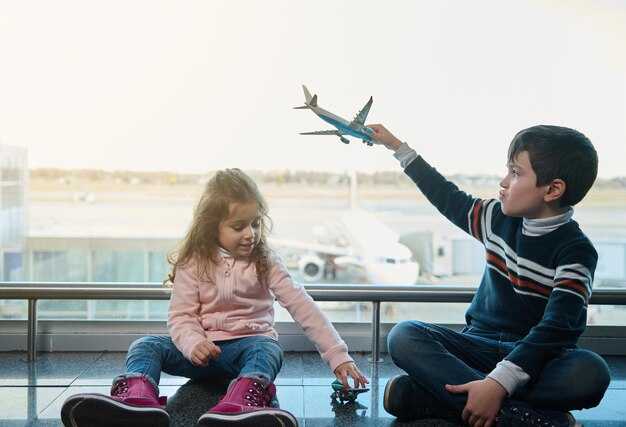
Use spill-proof cups and pre-portion snacks in sealed, enclosed containers sized for little hands; keep a spare bottle in your bag so you won’t scramble if one leaks. If a cap refuses to seal, swap for another. For domestic flights, pre-pack 2–3 snack options per child to avoid anything that creates mess and to maintain a simple routine. Roll-up snack pouches and flat, leak-proof containers help you stay organized, and everything goes into an enclosed tote you can reach without disruption.
Hydration is simple: water is the source of hydration. Offer small sips every 15–20 minutes while the child is awake, with a last drink before the seat belt signs come on. Use a spill-proof lid to make it easier, and youll notice fewer spills. If adults in your row want wine, keep it away from kids and away from the meal area; the focus here is healthier choices for children.
Snack ideas include bite-sized apple slices, carrot coins, cheese sticks, whole-grain crackers, yogurt tubes with sealed caps, and small portions of hummus in leak-proof cups. Dont offer hard candy or nuts if younger than the recommended age for chewing, and always keep portions small to avoid overwhelm. Keep foods colorful and varied to engage different tastes, and bring a couple of quiet toys to entertain during waits to reduce the need for constant food-based distractions.
Oʻrindiqlar va kun tartibi: oʻrindiqlarni tanlashda, choʻzilish mashqlari va ichimliklarga tezkor yetib olish uchun yoʻlakka yaqin joyni afzal koʻring. Oshxonaga yaqin boʻlish ichimliklarni toʻldirishni osonlashtiradi va belgilangan vaqtlarda yengil tamaddi qilish orqali odatiy kun tartibini saqlab qolishingiz mumkin. Tungi uyqudan oldin oxirgi tamaddini rejalashtiring va agar parvoz uzoq bo'lsa, yengil cho'zilish mashqlarini taklif qiling. Agar bola uxlab qolsa, to'kilishlarning oldini olish uchun yangi ovqatlarni bermang va oxirgi tamaddini uyg'ongandan keyin saqlang, bu har xil kunlarning oldindan aytib bo'ladigan va tartibsiz bo'lmasligiga yordam beradi.
| Mahsulot | Portsiya / Hajmi | Gidratatsiya / Tayyorgarlik | Eslatmalar |
|---|---|---|---|
| Water bottle | 12–16 oz (350–500 ml), toʻkilmaydigan | Har 15–20 daqiqada uyg'oq bo'lganda taklif qiling | Qopqoqli idish; hojatxonada to‘ldiring |
| Suyuq sharbat | 4 oz (120 ml) | Parvozda 1–2 marta | 3:1 suv nisbatida suvdan sharbatga aralashtiring; oddiy saqlang |
| Yogurt naychalari | 1 ta trubka har bir gazak uchun | Sovuq holatda kichik muzlatgich sumkasida saqlang | Qopqoq yopiq holda qoladi; bir qo'lda ochish oson |
| Pishloqli tayoqchalar | 1 ta tayoq | Krekerlar bilan torting | Ozoda, yaxshi protein |
| Olma bo'laklari | 1 ta oʻrtacha olma, tilim qilib kesilgan | Botirilmaydi; zich yopilgan idishda saqlang | Bo'laklarga bo'lingan, nafas yo'llariga tiqilish xavfini kamaytirish uchun |
| Sabzi toʻgʻralgan sabzi | 4–6 dona | Qattiq qopqoqli stakanda | Qarsildoq tekstura, bolalarbop |
| Donli oʻsimlik yogʻli pechenyelar | 4–6 ta pechene | Kichkina xaltada | Kam shakar, to'yimli |
| Hummus idishi | 2 oz (60 ml) | Germetik idish | Kreklar yoki sabzavotlar bilan iste'mol qiling |
| Trail miks (yoshga mos) | Kichkina sumka | Boshqa ovqatlardan alohida saqlang | Agar yoshiga mos kelmasa, nafas yo'llarining to'silib qolish xavfi bor |
| Jim o'yinchoqlar | N/A | N/A | Yegulik bo'lmagan chalg'ituvchi omillar gazakga bo'lgan bog'liqlikni kamaytirish uchun |
Aqlli UXlash: Tungi Parvozlar, Qulaylik Buyumlari va Uyqu Tartiblari
Har bir bola uchun uchish vaqtida kamida bitta o'yinchoq oling va ularni qo'l yetadigan joyda, o'rindiqlar orqasida saqlang. Tanish o'yinchoq, kichik adyol yoki sevimli gazak asablarni tinchlantirishga va uxlash vaqtini bildirishga yordam beradi.
Kechki reyslarda dam olishga ishora qiladigan oddiy tartibdan foydalaning: uyg'onish vaqtidan uch soat oldin oynani sozlang, kabina chiroqlarini xiralashtiring va yumshoq audio yoki oq shovqinga o'ting. Ushbu tartib uyquga silliq tushish uchun muhim bo'lishi mumkin. Uyqu mo'rt bo'lishi mumkinligi sababli, bashorat qilinadigan naqshni saqlang. Agar ruxsat etilsa, yengil ko'zoynak taqing va parvozning har bir qismida bir vaqtning o'zida gazak yoki ichimlik taklif qiling. Agar farzandingiz biron narsa so'rasa, oddiy tanlovni taklif qiling va xotirjam bo'ling.
Yukni kamaytirish uchun to'rtta ixcham buyumni bitta sumkaga joylang. Bir dona qulaylik buyumi, tez yuvish uchun salfetkalar, kichik bir shisha suv va bir dona запас кийимни қўшинг. Samolyot o'lchamini tekshiring va o'rindiq cho'ntagiga yoki oldindagi o'rindiq ostiga sig'adigan narsalarni tanlang; ularni bir joyda saqlang, shunda kovlamasdan olishingiz mumkin bo'ladi.
Koʻtarilish va parvoz paytida quloq bosimini kamaytirish uchun chaynash yoki oz-ozdan ichishni taklif qiling. Xavfsizlik kamarining belgisi oʻchirilgandan soʻng, yoqimli lahzalar uchun yengil ovqat taklif qiling. Kichik, koʻchma mashgʻulot tayyorlab qoʻying: kartalar, ixcham kitob yoki yaxshi sayohat qiladigan jim oʻyin. Ovqatlanish vaqtlari salon jadvaliga mos kelishi kerak va hojatxonada toʻliq yuvinish oʻrniga qoʻl yoki yuzni nam salfetka bilan artib olishingiz mumkin.
Hamma narsani yengil holatda saqlang: samolyotga, yuk aravachalaridan va yuk mashinalaridan o'tib borar ekansiz, asosiy sumkangizni qo'lingiz yetadigan joyda saqlang. Og'irlikni kamaytirish uchun narsalarni o'rindiq cho'ntaklariga yoki old sumkaga joylashtiring. Ovqatlanish, taglikni tekshirish yoki qisqa tanaffuslar kabi joylarda narsalarni qaerdan olishni biling. Bu rejani uchish paytida amalga oshiring, shunda osongina nafas olib, tartibli bo'lib qolasiz.
manba