


 O‘zbekcha
  English (UK)
  Русский
  বাংলা
বাংলা  العربية
  日本語
日本語  한국어
한국어  Magyar
  Norsk nynorsk
  Türkçe
  עִבְרִית
  Español
  Čeština
  Svenska
  Português
  Ελληνικά
  Suomi
Suomi  Nederlands
  Română
  Italiano
  Français
  Polski
  Українська
  Deutsch
  简体中文
简体中文  Slovenčina
  Српски језик
  اردو
اردو  Azərbaycan dili
  አማርኛ
አማርኛ 
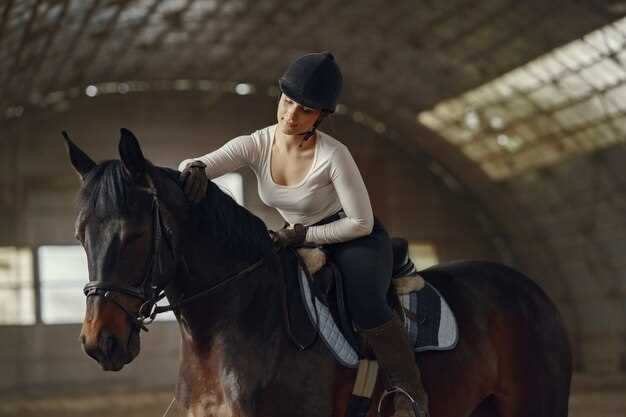
The prestigious Spanish Riding School, or Hofreitschule, situated in the heart of Vienna, holds the distinguished title of being Europe’s oldest classical riding academy. Founded in the sixteenth century, it has cultivated the art of haute école, showcasing the incredible capabilities of the Lipizzaner stallions bred in Piber. As a student of this venerable institution, one quickly learns that being a rider here requires not just talent, but also a deep dedication to the discipline. The process is both strenuous and rewarding, offering a unique glimpse into the royal heritage of equestrianism.
At the core of the school’s philosophy is a commitment to developing riders who can perform complex maneuvers such as the levade and other advanced techniques. Those who are fortunate enough to have the opportunity to ride at this academy must understand that the journey begins long before they mount their horses. Riders must dedicate themselves to mastering the fundamental aspects of equitation, ensuring that they remain focused on not only their needs but also those of their horses. This harmonious relationship is crucial as riders work together with their equine partners, with trainers and grooms closely overseeing every detail.
The image of the Spanish Riding School is not just about the breathtaking performances; it is also about the hard work and commitment that lie behind the scenes. Riders spend countless hours honing their skills, and the bond formed with the animals goes beyond mere training. Each session is an opportunity for collaboration, embodying the artistry of movement that has been practiced for centuries. As one prepares to leave the school, equipped with newfound knowledge and skills, they carry with them an understanding of the historical significance and ongoing legacy that the Habsburg court has fostered within these walls.
Address and Directions
To experience the elegance of the Spanish Riding School, located in the heart of Vienna, you should visit their esteemed address at Michaelerplatz 1, 1010 Vienna, Austria. This historical site has existed for years, showcasing the beauty and skill of dressage and classical equestrian training. The iconic location is easily accessible, making it a must-visit for riders, equestrian enthusiasts, and tourists alike.
When planning your visit, consider using public transport to reach the stables. The nearest public transport options include the U-Bahn stations at Stephansplatz and Herrengasse, which are just a short walk away. Buses and trams also serve this area well. This convenient access allows visitors to leave their cares behind and immerse themselves in the world of renowned stallions, mares, and the artistry of dressage.
Upon arriving, you may need to allow yourself a fraction of the day to fully appreciate the majestic court and surrounding arena. Morning lessons offer a unique glimpse into the training routines followed by both experienced trainers and students. Observing the horses as they perform levade and other classical maneuvers provides insight into the self-discipline required to become a skilled rider.
The stables at the Spanish Riding School house a variety of horse breeds, each trained to the highest level. This environment nurtures both the riders and horses, creating important bonds that last a lifetime. Be sure to collect any additional information about show schedules or special events at the ticket office so you can maximize your visit.
For those interested in a deeper understanding of the art of dressage, the Spanish Riding School offers guided tours. These are led by knowledgeable trainers who share their passion and dedication to equestrian sports. Whether you’re just starting or have years of experience, this is an opportunity to learn directly from the best and see how the traditions of the past have become vital components of modern equestrian practices.
Finding the Spanish Riding School
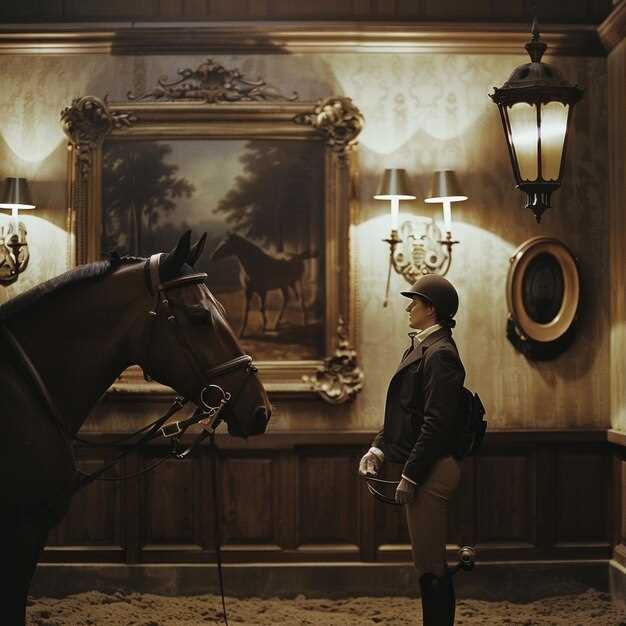
To truly appreciate the Spanish Riding School, one must begin by understanding its origins. Founded in the early 16th century by the Habsburgs in Vienna, this institution has become synonymous with classical dressage. It is essential to take the time to explore the rich history that has shaped the training of Lipizzaner horses over the centuries. This pursuit of equestrian excellence offers riders and lovers of horses an unparalleled glimpse into a world where tradition meets artistry.
Visitors to the Spanish Riding School often find themselves captivated by the arena where the breathtaking performances take place. With its striking Baroque architecture, the venue is not just a place to watch a show; it embodies the spirit of classical riding itself. Besides the performances, interested spectators can take a closer look at the stable, where the horses are kept, and learn about the bloodline that is so carefully maintained through selective breeding practices. The time invested here is likely to enhance your understanding of the discipline that these magnificent animals exhibit.
Typically, those visiting will notice that the Lipizzaner stallions are exclusively focused on mastering complex movements, known as “airs.” These advanced techniques have been handed down through generations, and they require significant effort and dedication from both horse and rider. For example, the “Pirouette” and “Capriole” are just a few of the high-level maneuvers that showcase the seamless connection between rider and animal. It is this effortless communication that is at the core of classical dressage.
In terms of preparation, the Spanish Riding School has its own farms, where the Lipizzaner mares and stallions are raised in ideal conditions. Here, the animals are trained from a young age, often in winter pastures, to ensure their continued development in the arena. The environment is designed to support the needs of the horses, ultimately leading to a well-rounded education in classical riding. Riders themselves must commit to a serious regimen, often spending years honing their skills in line with the academy’s esteemed tradition.
| Aspekt | Tafsilotlar |
|---|---|
| Foundation | Early 16th century |
| Manzil | Vienna, Austria |
| Horse breed | Lipizzaner |
| Training focus | Classical dressage |
| Key techniques | Pirouette, Capriole |
For those passionate about equestrian arts, a visit to the Spanish Riding School is a total immersion into a world of grace and history. The experience is not only about watching shows; it is about embracing a culture that has grown and evolved while staying rooted in its classical heritage. As one moves through this majestic institution, the sounds of training and the sights of horses in motion come together to create a unique atmosphere that is hard to replicate.
In conclusion, understanding the Spanish Riding School requires not just a visit, but also an appreciation for the complexities of horse training and the dedication of its riders. Whether you are an aspiring equestrian or simply a lover of art in motion, the things you will witness and learn will likely leave an impression that lasts long after your departure. Take the effort to explore beyond the surface, and you may find a deeper connection to this remarkable equestrian tradition.
Public Transportation Options
Traveling to the Spanish Riding School offers various public transportation options that will seamlessly get you to this iconic location in Vienna. Visitors can take advantage of the extensive network of trams and buses, which connect directly to Hofburg Palace, where the école is located. Many riders and equestrians tend to gather at the nearby stops, as it allows them to easily head to the morning dressage lessons and shows, making it a more accessible place for those who are passionate about horses.
For those who prefer a scenic route, the metro system provides quick access to various parts of the city. The closest station is a short walk down the alley from the main entrance. Tickets are reasonably priced, ensuring that the experience is enjoyable for everyone, including horse lovers and casual tourists alike. Collecting impressions of Lippizzaner stallions during their training is something many riders highly value, making the effort to reach the academy worthwhile.
Utilizing public transit not only helps keep transportation costs low but is also a responsible choice for reducing environmental impact. As you travel past beautiful birch-lined avenues and historic neighborhoods, you may find plenty of quaint villages that showcase the rich equestrian culture of Austria. Riding enthusiasts will appreciate how easy it is to connect with the best-selling events of the oldest classical academy in Europe. Such organized and efficient transport options began to establish a better flow towards these noble arts, ensuring that everyone can appreciate the rigor and skills of both the horses and their grooms.
Parking Information
When planning your visit to the Spanish Riding School, it is essential to note that parking options surrounding the arena are limited. The best approach is to find a suitable parking facility located within a short walking distance from the school. There are several garages in the vicinity where you can securely leave your vehicle while you take in the incredible equestrian performances. It is advisable to arrive early in the day to ensure you can find a space without the stress of waiting.
For those who prefer a more convenient option, consider using public transportation. Vienna’s extensive transport system can take you straight to the school’s entrance with ease. Utilizing public transit not only alleviates parking concerns but also allows you to enjoy the beautiful architecture and culture of the city, enhancing your experience even further. Note that bike parking is also available, promoting a green way of visiting.
It’s recommended to plan your parking strategy ahead of your evening at the school. As the oldest classical equestrian academy in Europe, it attracts a multitude of visitors, especially during peak hours. Ensure you consider the time needed to walk from your parking location to the arena, allowing you to indulge in the tradition of watching Lipizzaner horses perform their refined dressage routines. This preparation will guarantee a smooth start to your evening filled with historical splendor.
Things to Do at the Spanish Riding School
Visitors to the Spanish Riding School, a historic institution based in Vienna, Austria, can take advantage of a variety of engaging activities. One of the main attractions is attending a performance, where the beautifully trained Lipizzaner horses demonstrate their skills in a traditional riding style that has been perfected for centuries. Shows are typically held in the stunning winter riding school arena, where the atmosphere is filled with history and elegance. Before the performance, visitors can explore the entrance and the stands to soak in the ambiance and envision the empires that have regarded this equestrian art as an important part of their culture.
In addition to performances, guided tours are available that provide a deeper understanding of the school’s rich legacy. These tours are conducted by knowledgeable trainers who share insights into the training methods and the special tack used for the horses. Visitors can see firsthand where the horses are groomed and trained, gaining a more intimate look at this traditional equestrian academy. Since these tours are typically organized in small groups, every participant has the opportunity to ask questions and interact with the staff, making the experience even more enriching.
Another unique aspect is the chance to witness the training sessions, which are less formal than the performances but equally fascinating. Training sessions allow guests to see the horses in various paces and positions, using techniques that have been passed down through generations. For dedicated riding enthusiasts, the school offers additional riding lessons and workshops, where one can learn about the Italian riding techniques that influence their practices. Overall, visiting the Spanish Riding School provides a comprehensive experience of not just watching but also understanding the art of classical dressage in the modern world.