


 O‘zbekcha
  English (UK)
  Русский
  বাংলা
বাংলা  العربية
  日本語
日本語  한국어
한국어  Magyar
  Norsk nynorsk
  Türkçe
  עִבְרִית
  Español
  Čeština
  Svenska
  Português
  Ελληνικά
  Suomi
Suomi  Nederlands
  Română
  Italiano
  Français
  Polski
  Українська
  Deutsch
  简体中文
简体中文  Slovenčina
  Српски језик
  اردو
اردو  Azərbaycan dili
  አማርኛ
አማርኛ 
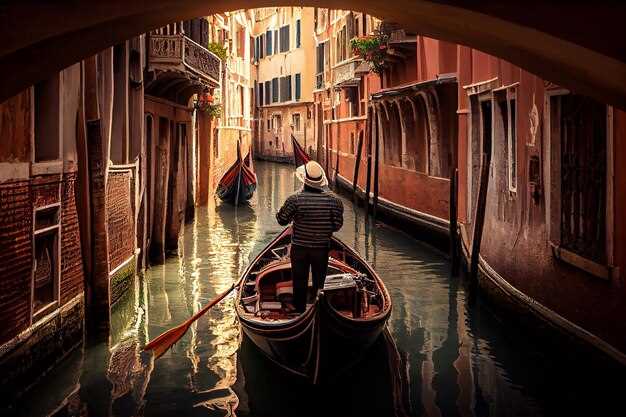
Venice, known for its grand buildings and intricate designs, has been a source of inspiration for renowned artists for centuries. The city’s vibrant cultural history is reflected in the exquisite paintings that adorn its walls, offering a glimpse into the past. From the stunning works of Tiziano to the colorful scenes captured by Chagall, Venice is a treasure trove for art lovers eager to explore the masterpieces that grace its museums and galleries.
This essential guide will help you find the most famous paintings of Venice, allowing you to look closer at the subjects and techniques employed by some of the world’s finest artists. As you wander the rooms of the Accademia or stop by the Dogana, each exhibition invites you to learn about the ability of these paintings to convey emotion and narrative through their vibrant colors and masterful craftsmanship.
Whether you’re climbing the staircase of a palazzo or standing inside the iconic Basilica, you’ll discover how each work tells a unique story, often depicting the rich history of the city itself. With our guide, you’ll be ready to embark on a journey through the Dorsoduro district and beyond, where you can admire the breathtaking scenes that have left an indelible mark on art history.
Iconic Venetian Artists and Their Masterpieces
Venice, a city that enchants art lovers, is home to numerous iconic artists who have left an indelible mark on the art world. Three of the most significant figures are Titian, Tintoretto, and Veronese, each known for their stunning contributions during the Renaissance and Baroque periods. Their masterpieces capture the essence of historic Venice, making them a must-see for anyone embarking on a cultural trip through this captivating city.
Titian, a 16th-century painter, is renowned for his vibrant use of color and masterful portraits. His enchanting works, such as “Assumption of the Virgin,” can be found in the Basilica di Santa Maria Gloriosa dei Frari. This masterpiece showcases Titian’s ability to make his subjects appear almost alive, drawing the viewer’s eyes closer with every brushstroke. Considered a pioneer of colorito, or color painting, his techniques span centuries and influence modern art even today.
Tintoretto, another titan of Venetian art, often explored mythological themes infused with dramatic lighting and perspective. His work, “The Last Supper,” located in the Basilica di San Giorgio Maggiore, is a striking piece that manages to blend spiritual reverence with a sense of movement. The dynamic composition invites viewers to feel as if they are part of the scene, making it a true example of Renaissance innovation.
Veronese, known for his grand compositions and theatrical flair, brings a colorful vibrancy to his paintings. His work “The Wedding at Cana” is housed in the Louvre, but Venetian visitors can admire his many frescoes in the Palazzo Ducale. Veronese’s ability to weave rich narratives into his artwork transports viewers to an era of opulent banquets and dazzling celebrations, showcasing the cultural richness of Venice.
For those eager to explore these masterpieces, tickets to the various museums are readily available. Galleries like the Grassi and the Museo Correr feature exhibitions dedicated to these iconic Venetian artists. Reading about their lives and techniques can enhance your appreciation, providing insight into the historical and cultural context of their remarkable contributions.
As you navigate the charming streets of Venezia, pause to visit the vibrant islands of Burano and Murano, where handmade mosaics and glassworks add another layer to the artistry of this city. Each terrace and staircase invites you to immerse yourself in Venice’s rich artistic heritage, making it truly a paradise for an art lover. With each visit, you will find something new and beautiful, ensuring that the legacy of these iconic Venetian artists continues to inspire for centuries to come.
Giorgione: The Enigma of “The Tempest”
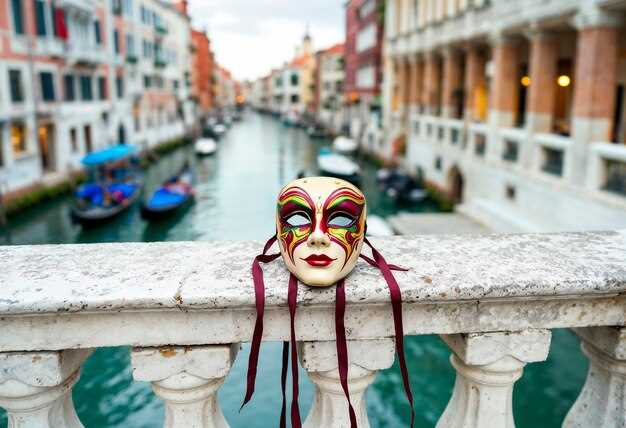
The painting “The Tempest” by Giorgione is one of the most captivating works in the world of art. Housed in the Accademia in Venice, this exquisite piece stirs the imagination and invites numerous interpretations. It features two intriguing subjects–a man and a woman–set against a vibrant backdrop of a stormy sky and lush greenery, leaving viewers captivated by its mysteries.
Created in the early 16th century, “The Tempest” serves as a prime example of how the Venetian painters like Tiziano va Titian infused their works with vibrant colors and emotional depth. The interplay of light and shadow, along with the vivid hues that capture the wealth of the natural world, make this piece a stunning addition to any muzey kolleksiyasi.
The painting’s enigmatic nature raises questions about its meaning and intent. Does it depict a moment of tranquility amidst chaos, or is it a reflection of human emotions caught in a tumultuous world? Each viewer can find something personal, making it a truly unique experience that continues to resonate across asrlar.
The backdrop of “The Tempest” may offer more than just an aesthetic experience. Some art historians suggest that the distant bazilika va tower visible in the scene may symbolize the tension between spirituality and earthly existence. This layered meaning adds depth to the painting, making it essential for anyone looking to understand the cultural context of Venetian art.
In your exploration of Venice, make sure to stop by various museums yoqadi Museo Correr and the Palazzo Ducale to see how Giorgione’s contemporaries, such as Chagall va Veronese, influenced the art of their time. These experiences enrich your understanding of the artistic landscape in which “The Tempest” was created.
The exhibition of such stunning works offers a glimpse into the past, combining contemporary artistry and timeless masterpieces. Every piece can spark your imagination, making the act of reading about these artists an adventure in itself.
As you navigate through the picturesque streets of Venice, keep an eye out for opportunities to engage with the art. Whether it’s grasping the significance of a qo'lda yasalgan piece or discussing the designs of famous painters, these experiences will deepen your appreciation for the masterpieces that make up this city’s rich cultural tapestry.
Titian: A Closer Look at “Assumption of the Virgin”
The magnificent “Assumption of the Virgin,” painted by the master Titian in the early 16th century, stands as one of the most grand and significant works not only in Venice but in the entire world of art. This piece, prominently displayed in the Santa Maria Gloriosa dei Frari church, captures the moment of the Virgin Mary’s ascension into heaven, showcasing Titian’s exquisite ability to convey divine subjects through rich color and dramatic designs. The painting’s color palette and grand composition span across the entire altar, drawing the viewer’s eyes upward, mimicking the heavenly ascent depicted.
Visitors to Venice often want to delve deeper into this masterpiece, understanding its interpretations and historical context. The scene is filled with angels, as well as the Virgin herself, whose ethereal beauty is accentuated against a backdrop of blue and gold. Titian’s handling of light and shadow allows the painting to come alive, making each figure seem to float within the xona, giving an illusion of depth that was revolutionary for its time. This effect would later inspire other renowned artists such as Tintoretto and Veronese, who would take on similar mythological subjects.
For those planning a visit to the surrounding museums, including the Dožlar saroyi va Archaeologico Museum, there are valuable insights awaiting in the rooms where Titian’s works are displayed alongside his contemporaries. The Palladio’s buildings va o'ziga xos Campanile of Venice provide a rich backdrop that highlights the city’s architectural wealth as well as the historical significance of its artists. Tickets to these locations will grant art lovers a full experience of the Venetian Renaissance, allowing you to appreciate how Titian’s work coincides with the artistic movements of the time.
Furthermore, after examining the “Assumption of the Virgin,” a stroll through the serene streets of Burano can offer inspiration from the charming, colorful buildings there, mirroring the vibrant hues seen in Titian’s work. Each brushstroke captures the heart of Venice and its connection to art history, making this experience a little piece of paradise for enthusiasts. As you stand before this beautiful painting, blending mythology and reality, it becomes clear that Titian has left an indelible mark not just on the city of Venice, but on the hearts of all who are fortunate enough to witness his masterpieces.
Veronese: Exploring the Grandeur of “The Wedding at Cana”
Among the most renowned masterpieces of Venice, Paolo Veronese’s “The Wedding at Cana” stands out as a magnificent example of 16th-century art. This exquisite painting, displayed proudly in the Palazzo Ducale, captures the moment from the biblical story where Jesus performs his first miracle by turning water into wine. It is not merely a depiction of the event but rather a grand celebration of color, wealth, and architectural beauty that encapsulates the spirit of its time. Inside the basilica of San Giorgio Maggiore, art lovers can find themselves captivated by the intricate details and lively scenes that Veronese masterfully fabricates.
The painting spans an enormous 6.77 meters by 9.74 meters, demanding attention as viewers navigate the beautiful rooms of the Doge’s Palace. Each character in the vibrant gathering showcases Veronese’s ability to capture diverse emotions and elaborate attire, blending historical accuracy with a picturesque representation of 16th-century Venetian society. The master artist’s use of color and composition results in an engaging scene that invites observers to delve deeper into the social dynamics of the time.
- Placement: “The Wedding at Cana” occupies a pivotal spot in Venetian art history, not merely as a visual feast but also as a significant cultural marker.
- Influence: The work has influenced countless artists, including Tintoretto, highlighting its everlasting impact on the artistic world.
- Modern Relevance: Today, exhibitions like those at the Museo Archeologico and the Dogana showcase the relevance of Veronese’s work, making it accessible to a modern audience.
For those wishing to capture their own moments amidst this historical backdrop, the nearby terrace offers stunning views of the Salute and the famous Campanile di San Marco tower. As you explore Venice, let “The Wedding at Cana” remind you of the rich tapestry of history, art, and culture that this city has to offer. Each visit serves as a source of inspiration and a delightful opportunity for every art lover to connect with the past while celebrating the vibrant present.
Canaletto: The Charm of “The Stonemason’s Yard”
Canaletto, a renowned master of the Venetian landscape, is celebrated for his ability to capture the enchanting essence of the city. His work “The Stonemason’s Yard” stands out as a striking representation of the everyday life in Venice during the Renaissance. In this painting, he invites viewers to delve into a world where artisanal craftsmanship blends seamlessly with the architectural beauty of the city. The detailed depiction of the subjects engaged in their labors, set against the backdrop of timeless buildings, transports the observer closer to the cultural heartbeat of Venice.
This artwork is an extraordinary exploration of light and color, showcasing Canaletto’s skill in using shades to highlight the intricacies of the structures. The stonemason, busy at work, is framed by the towering Palazzo Ducale and the glistening canals, while a glimpse of the Basilica di Santa Maria della Salute rises majestically in the background. Canaletto manages to capture not just the physical aspects of the scene, but also evokes the wealth of creativity and artistry that permeated the city during his time.
Visitors to Venice often stop at the numerous museums housing Canaletto’s works. His collection, featured in three major exhibitions around the city, allows art lovers to appreciate the handmade crafts and designs that Venice is known for. A ticket to the renowned Museo Correr, for instance, provides insight into this vibrant era, while also marking your journey through the Dorsoduro district. Here, one can witness the exquisite mosaics and decorations that reflect the rich history and mythology of Venice.
To fully appreciate “The Stonemason’s Yard,” one must consider Canaletto’s careful arrangement of scenes and figures, which serve not only as visual focal points but also as a tribute to the hardworking locals who shaped the identity of Venice. Whether you are a seasoned art enthusiast or just beginning your reading on Venetian art, exploring Canaletto’s masterpieces in the light of the city’s striking architecture is an experience ready to tantalize and inspire.