


 O‘zbekcha
  English (UK)
  Русский
  বাংলা
বাংলা  العربية
  日本語
日本語  한국어
한국어  Magyar
  Norsk nynorsk
  Türkçe
  עִבְרִית
  Español
  Čeština
  Svenska
  Português
  Ελληνικά
  Suomi
Suomi  Nederlands
  Română
  Italiano
  Français
  Polski
  Українська
  Deutsch
  简体中文
简体中文  Slovenčina
  Српски језик
  اردو
اردو  Azərbaycan dili
  አማርኛ
አማርኛ 
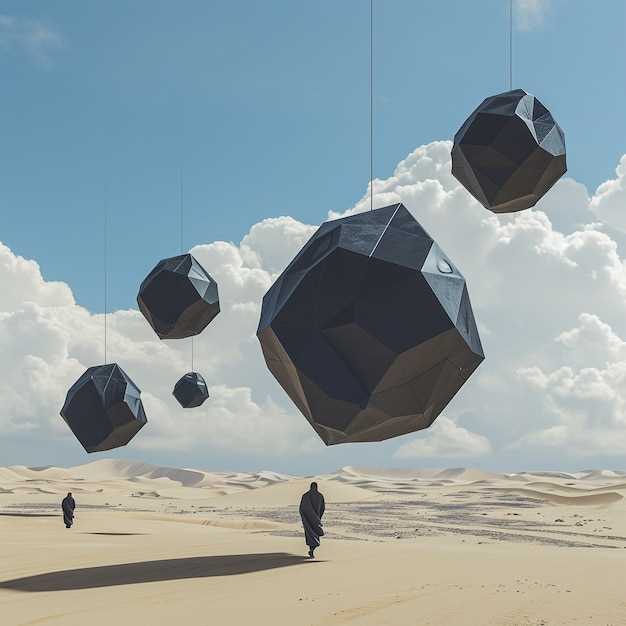
In the realm of artistic expression, perspective drawing serves as a vital tool to create the illusion of depth in your artwork. This technique enables you to depict objects in a way that accurately reflects their size and position in three-dimensional space, which can transform a simple drawing into a captivating visual experience. Whether you’re capturing a dynamic cityscape or the intimate pose of a figure, mastering the art of perspective is essential for any artist looking to enhance their work.
The principles of perspective allow artists to manipulate geometric forms, making larger objects appear closer and smaller ones seem further away. Such intentional representation invites viewers to traverse the spatial dimensions of your composition, engaging them on a deeper level. Filippo Brunelleschi’s revolutionary techniques exemplify how effective perspective can reshape our understanding of visual reality, and artists like Hokusai have used these concepts to create stylized yet realistic portrayals that resonate through time.
Incorporating techniques like shading va contrasting colors can further amplify the three-dimensionality of your drawings. Exercises that train your eye to see relative sizes, such as drawing foreshortened objects or exploring varying resolutions, allow you to develop a nuanced understanding of depth. Over time, these skills enable you to create more effective compositions that truly resonate with your audience, transforming static drawings into engaging narratives.
As you embark on this artistic journey, consider each line and dimension with intention. Take the time to explore various styles and approaches, for there is no shortcut to mastery. With consistent practice, you will develop the precision and vision necessary to render realistic scenes that communicate not just the appearance of objects, but their essence–drawing viewers in and inviting them to experience the world through your unique perspective.
Swapping Source Images in Perspective Drawing
In the realm of perspective drawing, the ability to swap source images is an important skill that can elevate your artistic compositions. This technique allows artists to experiment with different references, enhancing the overall convincing quality of the final piece. By incorporating a variety of images based on initial concepts, you can generate creative outcomes that capture the viewer’s attention.
When you consider the influence of artists like Hokusai, you’ll notice that his work often utilized multiple perspectives to create depth. By partially integrating various source files, artists can analyze the structures of their subjects. For example, if your figure is positioned in a two-point perspective, you can swap images that highlight the outer lines and darker masses, thus establishing a more dynamic visual experience.
Every source image that you insert provides unique attributes to your drawing. Whether rendered with three-point perspective or traditional linear techniques, each file contributes to the spatial representation of your objects. You should understand how arcs and bony figure forms, like shoulders and knees, interact within the scene to maintain a balanced composition. This transformation requires skillful adjustments to ensure that the changes remain coherent.
Importantly, you can use computed techniques to emphasize certain elements when swapping images. By applying Gaussian blurs to backgrounds or adjusting color saturation, you can manipulate focus and draw attention to key figures in your drawings. This not only diversifies your color palette but enhances the atmospheric quality of your artwork, making it more engaging for viewers.
As you finish your compositions, remember that the initial arrangement of your elements, based on the source images, greatly influences the outcome. Each source should ideally interact in a way that maintains a visual harmony. This interplay creates a sense of depth and realism, providing a more immersive experience. Artistic perspective work hinges on these subtleties to elevate the narrative of your art.
In conclusion, swapping source images is a valuable technique for artists looking to refine their perspective drawings. By utilizing varying image sources, understanding spatial relationships, and applying creative adjustments, you can produce works that are not only visually appealing but also tell a compelling story. Embrace this practice, as it opens doors to new horizons in your artistic journey.
Understanding the Role of Source Images in Perspective

In the realm of perspective drawing, source images serve as a foundational tool for artists, allowing them to grasp the intricate relationships between different figures within a space. By analyzing these images, artists can observe how sizes and scales converge at the horizon, giving depth and dimensionality to their artworks. Each source image provides cues on movement and spatial dynamics, which can significantly influence the intent behind the drawing. Whether capturing a high mount or a subtle atmospheric effect, these images guide the artist in creating a captivating world with juxtaposed elements.
Applying the principles of perspective drawing involves various exercises where artists swap between different source images, each offering a unique viewpoint. This process can reveal the hierarchy of objects and their positions within the spatial domain. For instance, the cross-contour lines within a figure can help retain the volume of an object, leading to a more realistic rendering. Additionally, darker areas can be utilized to create the illusion of depth and dimension, making far-off elements appear less defined as they fade into the background.
The convergence of lines and the use of Gaussian techniques in manipulating images enhance the layering of depth. An intentional combination of iterations can streamline the rendering process. Artists like Filippo often emphasize the significance of understanding how each source image contributes to the overall topographical representation of a scene. When artists hear about the importance of spatial perspective, it is crucial they perceive it not just as a set of rules but as a fluid conversation between their imagination and the observed world.
Furthermore, artists must recognize the potential loss when they fail to delve deep into source materials. By ignoring subtle details, they risk creating flat images that lack engagement. Therefore, an artist’s toolbox should also include an understanding of how smoke or lighter elements can create atmospheric depth. By continually seeking collections of diverse source images and applying learned concepts, artists can evolve their work, generating captivating artworks that resonate with viewers, depicting the complex beauty of the world around them.
Selecting the Right Source Images for Your Drawing
Choosing the right source images is crucial in mastering the art of perspective drawing. When you begin, consider images that clearly define spatial cues and allow you to explore the three-dimensional world. Photorealistic images featuring geometric shapes, such as spheres and cubes, aid in understanding how objects converge in space. This foundational step will enhance your skills in generating more accurate representations through your pencil work.
In the process of selecting source images, focus on those that showcase a variety of sizes and scales. Larger scenes often provide a richer context for understanding the relationships between objects within a space. For instance, a landscape featuring a dragon in the foreground and mountains in the background can help refine your understanding of foreshortening. The interaction between different sizes helps viewers perceive depth and distance, enhancing their overall experience.
| Image Type | Maqsad | Key Aspects |
|---|---|---|
| Fotografiya | Realistic representation | Lighting, color, and texture |
| Sketches | Understanding forms | Basic shapes and proportions |
| 3D Models | Spatial awareness | Topographical placements |
Adjusting your approach by combining various image sources can also streamline your drawing process. If you’re creating a complex scene with multiple elements, consider partially using images to fill in areas that may lack detail. Applying different images allows you to achieve a balance between detailed shading and broader forms, creating more dynamic outputs. This way, the viewer remains engaged, as the eye is drawn into the layers of space you’ve intricately portrayed.
When selecting images, also remember to pay attention to the resolutions of your sources. Higher resolution images provide finer details that contribute to the overall realism of your work. A powerful accessory to your drawing toolkit is the careful analysis of light and shadow, as well as how they behave across surfaces. With practice, you’ll hear the shapes and forms become clearer, transforming your artistic vision into a stunning visual narrative.