


 O‘zbekcha
  English (UK)
  Русский
  বাংলা
বাংলা  العربية
  日本語
日本語  한국어
한국어  Magyar
  Norsk nynorsk
  Türkçe
  עִבְרִית
  Español
  Čeština
  Svenska
  Português
  Ελληνικά
  Suomi
Suomi  Nederlands
  Română
  Italiano
  Français
  Polski
  Українська
  Deutsch
  简体中文
简体中文  Slovenčina
  Српски језик
  اردو
اردو  Azərbaycan dili
  አማርኛ
አማርኛ 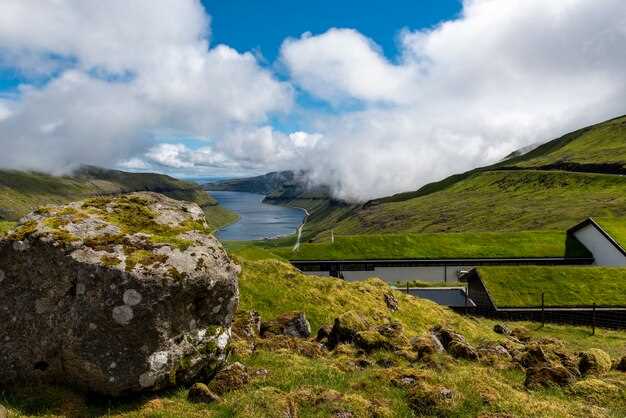 Scotland’s 10 Most Beautiful Islands to Visit – A Comprehensive Travel Guide">
Definitely start with Harris, which offers white-sand beaches, long, sandy shorelines, and a wealth of outdoor options that invite you to linger. This island’s fine scenery, friendly villages, and clear air set a high bar for what follows on your itinerary. This is definitely a strong first pick for an island-hopping plan, and it will help frame what you explore next.
aside from harris, the Orkney islands reveal a different beauty. A sayr along the coast near stenness brings up a sense of heritage and a perspective that has been visited by many travelers. These places reward a slow pace with discoveries at every turn.
On Islay and Jura, a distillery visit can be paired with coastal walks along cliff paths. These islands, which offer gardens and fine seafood, also feature sandy beaches and brae viewpoints that reward a longer look. Each island presents brae trails that rise to views over coves and inlets.
Through these routes, you’ll uncover a wealth of character–from quiet coves to rugged uplands. Put your foot on a winding path and move at a pace that suits you, then sip a coffee while planning the next ferry. These islands reward a careful approach, with practical tips and honest recommendations that help you decide where to go next.
Practical planning for island hopping across Scotland
theres no guesswork here: book ahead. Start with 2–3 anchor islands–mull, Islay, and Inchcolm–and add nearby options to keep sea crossings reasonable. Oban acts as a hub for mull journeys; Leith or South Queensferry provide access to Inchcolm; Kennacraig connects to Islay and Jura. For a 5–7 day trip, mull two nights, Inchcolm one, Islay two, then loop back via the same hubs. If isnt your plan to chase many spots, stay focused on the west coast cluster and leave the others for a longer trip. This setup delivers beauty, a romantic mood, and ample chances for walking, hiking, and enjoying tropical–looking gardens and golf nearby.
- Route logic and timing: CalMac timetables guide most hops. Close hops like mull–Craignure or Inchcolm–Leith run 20–60 minutes; longer legs to Islay may take 2–3 hours. Build buffers for weather and tides, especially on the west coast.
- Bases and day trips: Tobermory or Craignure on mull keep options open for coastal walking; Bowmore or Port Charlotte on Islay offer whisky stops without long transfers; Inchcolm makes a quick, romantic day trip from Leith or South Queensferry.
- Gear and safety: pack a helly jacket, waterproof boots, and compact rain gear. Wind and rain shift quickly, so have flexible layers and a light rain shell you can pull on between ferries.
- What to do on each island: hiking and walking along shorelines reveal stunning beauty; mull and Islay pair dramatic coastlines with gardens and coastline paths; there are golf courses on several islands for a relaxed afternoon; for a Viking history vibe, consider nearby shetlanders if you extend your window, as they offer a wealth of wildlife and heritage to explore when time allows.
- Mind the costs and crowds: ferry fares rise in peak season, so book early and look for multi-ride passes where available. Staying in small inns or guesthouses often saves time and provides a more relaxed pace for looking around villages, towns, and nearby sites.
Other practical tips: left a couple of lightweight days in your plan to absorb weather changes; also keep a list of nearby backups in case a crossing is delayed. If you’re aiming for a truly varied loop, add inchcolm’s historic abbey and nearby coastal walks, then loop back to mull and Islay for a rich blend of landscapes, rugged beauty, and a handful of galleries, gardens, and golf courses. Shetlanders can be included later for a longer, deeper Viking heritage and wildlife-rich leg, offering a different pace and memory-worthy moments that feel timeless.
Fair Isle: best season, ferry access from Mainland, and planning your visit
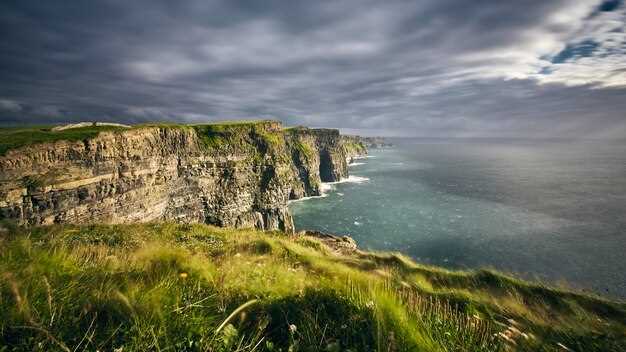
Plan your visit for late May to early June for mild days and longer daylight; this window keeps winds gentler and sea calmer, making your Fair Isle experience more comfortable.
Ferry access from Mainland: The Lerwick–Fair Isle ferry, operated by Fair Isle Ferries, delivers the core link to the island. Crossing times run around 2.5 hours, with 2–3 sailings weekly in peak season and a reduced winter timetable; times vary, so book early.
Planning your visit: Allocate 2–3 days on island; there are limited accommodation options, so reserve well in advance. On foot or bike, explore West Head and the Paps for dramatic, heather-covered scenery; tidal pools shimmer at low tide. Windsurfing can be possible in sheltered bays when conditions permit. theres also a small community cafe and a shop, so planning your meals around the ferry schedule helps.
Beyond Fair Isle: dating your visit with a broader itinerary enhances the trip. Since this archipelago features a unesco-worthy sense of wilderness, you may want to pair with a trip to Arran (home to a distillery and whiskey tastings) or Stornoway as a reference point for your Hebrides leg; the coast is dramatic, and the wind can carry you toward the wildest views. The island’s landscapes captivate and invite you to explore.
Isle of Skye: must-see routes, where to stay, and top day trips
Start with a clear plan: base in Portree for easy northbound access, then tackle the Quiraing scenic loop, follow with the walk to the Old Man of Storr, and finish with a sunset stroll along the coast. When you move between these spots, the tide shapes the rocks and colours, so aim for early morning or late afternoon light to capture the best views.
theres a strong heritage thread that runs through Skye, with Dunvegan Castle and additional sites showcasing local architecture and arts. As you compare these stops, you’ll feel the connection between rugged geology and enduring culture. If you mull extending your stay, you can add a day to Mull for a broader island experience.
Where to stay: Portree offers central access and many options, from family-friendly guesthouses to boutique inns by the harbor. For a romantic mood, pick a sea-front cottage; for quieter evenings, Glendale or Stein provide a calmer pace. Skye’s size is compact, so a single base lets you cover key routes without long drives. From Glasgow, you can reach Skye by road or take a short flight to Inverness and connect to the island, turning it into a destination that rewards slow exploration.
Top day trips include Neist Point Lighthouse for birds and dramatic coast, Dunvegan Castle for heritage and architecture, Talisker Bay Coastal Walk for tide-side scenery, and the Quiraing plus Old Man of Storr for sculpted rock and scenic views. For a broader perspective, add a harbor stroll in Portree for arts and crafts, or explore reserves where seals and other wildlife are seen.
| Route | Base/Start | Duration | Diqqatga sazovor joylar |
|---|---|---|---|
| Quiraing Circuit | Portree | 3–4 soat | scenic, sculpted rock, panoramic views |
| Old Man of Storr Walk | Portree | 2–3 hours | legend, dramatic stacks, coastal trail |
| Neist Point Lighthouse | Neist Point | 2–3 hours | romantic coastal views, birds |
| Dunvegan Castle & Gardens | Dunvegan | 4–5 soat | heritage, architecture, castle, gardens |
| Talisker Bay Coastal Walk | Talisker Bay | 2–3 hours | tide pools, scenic coast, seals nearby |
Islay and Jura: whisky trails, wildlife highlights, and ferry timings
Book the Kennacraig–Port Askaig crossing to unlock fast access to Islay’s major distilleries and whisky trails. The typical voyage lasts around 2 hours 15 minutes, with extra sailings in peak season. For Jura, take the Feolin ferry from Port Askaig to the Jura shore; the crossing takes roughly 7 minutes and runs frequently in summer and autumn, with a lighter schedule in winter.
If you arrive by plane, Islay’s airport places you within reach of both distilleries and ferries, letting you start your day with a tasting and still catch a mid-morning crossing.
Islay’s whisky trails offer a perfect sampling across the isles. Start at Bowmore, then Bruichladdich, Ardbeg, Lagavulin, Laphroaig, and finish at Kilchoman depending on your route. Tours vary by season and must be booked in advance for peak times. These experiences provide historical insight into peat, water, and maturation, and you will meet such passionate staff who explain why each major distillery produces such unique whiskies. Those visits bring you to wonders of the craft, and you will discover the same care in on-site museums and the surrounding landscapes. There is enough variety to satisfy both beginners and connoisseurs, and you will enjoy beautiful views as you move between stops.
Wildlife highlights include watching geese at Loch Gruinart, otters along the western shoreline, and red deer on Jura’s hills. The wildest coastlines of Islay and Jura host golden eagles, seals, and a chorus of wading birds. The pools at sheltered bays are rich with life during spring tides; bring binoculars for close looks while staying on marked paths. The isles differ in size–Islay is larger in size, while Jura remains smaller and wilder–so plan a two-island day if you want the full range of scenery.
Historical fortifications and a castle link the islands to a richer past. On Jura, ruins near Craighouse hint at medieval rule and maritime links; on Islay, a coastal castle guards sea lanes along the east and western shores. Those fortifications frame a day of walks, with such views that you may forget the time as you enjoy a dram and plan the next stop.
Walks offer both easy strolls and more challenging climbs. The Paps of Jura rise from the inland hills and deliver fantastic panoramas; on Islay, coastal paths pass through salt flats, peat bogs, and white-sand coves. If you want to combine landscapes with culture, line up a few short hikes between distillery visits and lunch stops, balancing fresh air with a relaxed pace for evenings by the harbor.
Food and drink accompany the scenery. Local cheeses pair with a dram after a distillery tour; and the shore tables offer fresh seafood most evenings. Those meals showcase the region’s culinary range and its plain, honest hospitality–enough to satisfy even the most discerning traveler. For the same farms that feed peat-fired kilns, you can often find cheeses that perfectly complement a peaty malt.
Parom qatnovi haqida qisqacha ma’lumot:
- Kennacraigdan Port Askaigga: taxminan 2 soat 10 daqiqadan 2 soat 40 daqiqagacha, yozda kuniga bir necha qatnov; qishdagi qatnovlar sonini tekshiring.
- Port Askaygdan Feolinga (Yura): taxminan 7 daqiqa; tez-tez qatnovlar, kunduzi ko'proq.
- Qaytish imkoniyatlari: kalendar oynalari suv ko'tarilishi va ob-havo bilan o'zgarishini unutmang; iloji bo'lsa, joy band qiling va g'arbiy qirg'oqda kechqurun o'tkazish uchun zaxira rejangiz bo'lsin.
Orkney va Shetland: mashhur joylar va samarali transport aloqalari
Kirkvoldan boshlang va Orkney va Shetlandni bir dövrda bog'lash uchun NorthLink bilan Kirkvol-Lervik paromiga buyurtma bering. Ikkala arxipelagni faqat qisqa parom ajratib turadi, shuning uchun siz moslashuvchan bo'lishingiz mumkin. Agar siz samolyotda uchsangiz, Aberdin, Edinburg yoki Inverness Kirkvol yoki Lervikka tezkor aloqalarni taklif qiladi, bu bir xil dam olish kunlari rejasini amalga oshirishga imkon beradi. Tanaffuslar orasida tinchlik lahzalarini saqlab turadi.
Orkneyning ko'rish shart bo'lgan joylari bir kunda bemalol borishga imkon beradigan darajada yaqin joylashgan. Tik turgan Stenness toshlari tekis qirg'oq tekisligida, chap tomonda dengiz bilan ko'tariladi, Brodgar halqasi esa dramatik doira hosil qiladi va Skara Brae toshda saqlanib qolgan o'tmishdagi qishloq hayotini ochib beradi. Maeshowe kechki ziyorat bilan o'zining Norse runlari bilan mukofotlaydi. Qisqa yo'llar ko'llar va qirg'oqlar orasida o'tadi; toshlar yonida afsonaviy ertaklar shivirlaydi va ziyoratchilar uchun sehrli teginish qo'shadi. Hudud juda katta, ammo samimiy bo'lib, qishloqlar qirg'oq bo'ylab joylashgan.
Shetland dramatik sohillar va dengiz ritmini qo'shadi. Sumburgh Head mayoqxonasi janubiy uchini belgilaydi, dengiz qushlari va hech qachon charchamaydigan to'lqinlar bilan. Scalloway qal'asi orolning ilk tarixini mustahkamlaydi, yaqin atrofdagi baliq ovlash qishloqlari esa ishlayotgan sohilni ko'rsatadi. Lerwickning ko'llari va toshqin havzalari bo'ylab oson yurish yo'llari o'ralashadi va Norse ta'siridagi joy nomlari bu yerda davom etayotgan ta'sirni eslatadi.
Sayohat qilish uchun eng yaxshi vaqt - may-sentabr oylari, chunki iqlimi yumshoqroq, odamlar kamroq va kunduzgi soatlar uzoqroq sayr qilish imkonini beradi. Yomg'ir birdan yog'ishi mumkinligi sababli, suv o'tkazmaydigan kiyim oling. Transport uchun Scrabster–Stromness taxminan 90 daqiqa, Kirkwall–Lerwick paromlari odatda haftada bir necha marta qatnaydi, odatda olti soat atrofida. Havo yo'llari Aberdin, Edinburg va Invernessni Kirkwall va Sumburg bilan bog'laydi, taxminan 60-90 daqiqa. Agar chetga chiqmoqchi bo'lsangiz, Ile yaqin atrofdagi markazlardan parvoz orqali mashhur ichki orollar kengaytmasini taklif etadi; Shotlandiya qirg'oq chizig'ining chuqurroq tajribasini izlovchilar uchun bu arziydigan variant.
Lyuis va Harris: plyajlar, piyoda sayr qilish yo'nalishlari va narsalarni yig'ish bo'yicha maslahatlar
Tong yoritganda Luskentyredagi plyajdan boshlang, uzoq, odam oyoq bosmagan qumliklar ustidagi sehrli nurni ushlash uchun; bu sokin hudud asosiy yo'llardan uncha uzoq bo'lmagan joydagi mo'jizalarni o'zida mujassam etgan.
Luskentyredan Scarista va Uig Sands tomon sohil boʻylab boring, u yerda siz koʻproq goʻzal manzaralarni koʻrishingiz va kichik butazorlar hamda yovvoyi tabiatni kuzatishingiz mumkin. Bir necha soat vaqt ajrating, sayr qiling, sharoit imkon bersa, suzing va yorugʻlik oʻzgarmasdan oldin aylanma qumliklarni suratga oling.
Lyuis va Xarrisda neolit davriga oid joylar manzaradan ko'ra ko'proq narsani anglatadi. Lyuisdagi Kallanish toshlari eng mashhurlaridan; Dun Karlovay qal'asi va qirg'oq bo'ylab boshqa istehkomlar orolliklar qanday yashaganligidan dalolat beradi. Aberdindan ko'pchilik mehmonlar Stornoueiga uchib borishadi yoki uzoqroq yo'l bilan borishadi; paromlar shimoliy va sharqiy qirg'oqlarni bog'laydi va sizni g'arbiy orollarga olib boradi.
Sayr qilish imkoniyatlari: Klisham, Harrisning eng baland cho'qqisi, toshloq yerlarda 5-7 soatlik qiyin ko'tarilishni taklif etadi; o'zingiz bilan xarita, kompas va mustahkam etik oling. Yana bir qirg'oq yo'nalishi Luskentyre qirg'og'i bo'ylab 3-4 soat davom etadi, oson va o'rtacha, dengiz manzaralari va tyulenlarni ko'rish imkoniyati mavjud. Gearrannan va dehqonchilik qishloqlari yaqinidagi qisqa sayrlar mukofotli manzaralarni va qo'pol qoyalar va yovvoyi ufqlar bilan ajralib turadigan shimoliy qirg'oqning hissiyotini taqdim etadi.
Qadoqlash boʻyicha maslahatlar: Nafas oladigan suv oʻtkazmaydigan kurtka, jun mato, shapka, qoʻlqop va shamol oʻtkazmaydigan qatlamni oling. Suv, yuqori energiyali gazaklar va asosiy birinchi yordam to'plami bilan yengil kunduzgi xaltani olib yuring; signal yo'qolganda oflayn xaritalar yordam beradi. Kech tugatish uchun bosh chiroqni oling va paromlardan oldin qurilmalarni zaryadlang. Elektronikani purkagichdan himoya qiling va zaxira batareyani oling; ixcham termos tanaffuslar uchun qulay.
Madaniyat va amaliy jihatlar: Lyuis qal'asi va qirg'oq istehkomlari tezkor tarixiy to'xtash joyini ta'minlaydi, hududdagi spirtli ichimliklar zavodlari esa do'stona orolliklar bilan birga tatib ko'rish imkoniyatini beradi. Stornouey yoki Tarbert shaharlaridagi kichik mehmonxonalarda qolish sharqiy va shimoliy qirg'oqlarga oson kirish imkoniyatini beradi, parom vaqtlar hamda yo'l aloqalari esa moslashuvchan rejalashtirishni talab qiladi. Qirg'oqning sokin qo'ltiqlari va shimoliy qirg'oqlari ehtiyotkorlik bilan sayr qilishni taqdirlaydi, iqlim bir necha soat ichida o'zgarishi mumkin, shuning uchun omadli va qulay tashrif uchun qatlam kiyish muhim ahamiyatga ega.