


 O‘zbekcha
  English (UK)
  Русский
  বাংলা
বাংলা  العربية
  日本語
日本語  한국어
한국어  Magyar
  Norsk nynorsk
  Türkçe
  עִבְרִית
  Español
  Čeština
  Svenska
  Português
  Ελληνικά
  Suomi
Suomi  Nederlands
  Română
  Italiano
  Français
  Polski
  Українська
  Deutsch
  简体中文
简体中文  Slovenčina
  Српски језик
  اردو
اردو  Azərbaycan dili
  አማርኛ
አማርኛ 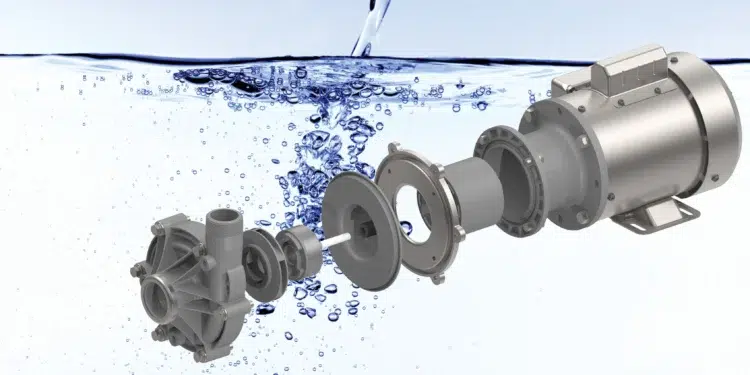 Kruizer bortidagi konditsionerni quruq ishlaydigan dengiz nasosi qanday ushlab turadi">

Across cruising fleets, interruptions to seawater flow trigger high‑pressure faults in marine air conditioners that can take three to fifteen minutes to shut the system down; during that window ordinary centrifugal pumps often overheat, suffer shaft‑seal leaks, or fail completely — the SeaStrong Silver Bullet RDP is engineered to tolerate up to 60 minutes of dry operation and eliminate common shaft‑seal failure modes.
Why conventional seawater pumps are a weak link
On many 40–60 foot recreational boats, the seawater pump is the single point of failure for havo conditioning, refrigeration chillers, livewells and deck wash systems. Typical failure modes include:
- Shaft‑seal leaks caused by corrosion, wear, or poor installation;
- Rapid damage when pumps yugur dry due to closed seacocks, clogged intakes, or plastic debris;
- Heat buildup in the fluid path and impeller that leads to warping and premature failure.
These failures create cascading logistics problems for yacht owners and charter operators: sourcing the correct impeller or seal overseas, arranging expedited shipping, and performing field repairs while guests or paid charters are aboard.
SeaStrong Silver Bullet RDP — engineering that changes the equation
ElectroSea’s third‑generation SeaStrong Silver Bullet RDP replaces the traditional shaft‑seal configuration with a patent‑pending Run‑Dry Protection (RDP) design and corrosion‑resistant composite fluid paths. The consequences for maintenance and uptime are tangible:
- Ability to tolerate extended dry run events (manufacturer rating: yuqoriga to 60 minutes);
- No shaft seal to service or fail, reducing mid‑season leak risk;
- 316L stainless hardware and composite impellers that resist pitting and corrosion in saltwater.
Materials and thermal management
The RDP concept relies on proprietary materials and geometry that generate less frictional heat and dissipate what heat is produced more efficiently. That minimizes surface temperatures during dry operation and reduces wear on mating components — a key difference from bronze or cast impellers that corrode over time.
Maintenance, inventory and resale implications
For private owners and charter fleets, fewer consumable seals and less corrosion-prone hardware translate into fewer service calls, smaller spares inventories, and lower incidence of stranded passengers. Documented installation of a modern, field‑tested pump can also improve survey outcomes and buyer confidence at resale.
Feature comparison at a glance
| Xususiyat | Conventional Seawater Pump | SeaStrong Silver Bullet RDP |
|---|---|---|
| Run‑dry tolerance | Minutes before damage | Up to 60 minutes |
| Shaft seal | Present — periodic replacement | None — sealless design |
| Material resistance | Bronze/metal parts prone to pitting | Composite paths + 316L stainless hardware |
| Field maintenance | Frequent seal swaps, potential corroded fasteners | Reduced inspections, fewer parts to replace |
Real‑world reliability and tourism impact
When pump failures occur during holidays — for example, a couple in the Bahamas whose A/C packed up because of a corroded impeller and seal leak — the substitution and shipping delays can cut trips short or create uncomfortable charter experiences. SeaStrong’s stock availability and same/next‑day shipping aim to avoid those logistics headaches.
For charter operators, reliable seawater pumps directly affect guest satisfaction, itinerary integrity, and operational costs. Less downtime means fewer cancelled excursions, better reviews, and more days on the water rather than in the engine room.
Installation tips and checklist
- Match pump size and horsepower to the vessel’s seawater duties (A/C condenser, chiller, livewell).
- Inspect intake strainers and seacocks regularly to prevent debris‑related run‑dry events.
- Keep basic spare parts on board, but expect reduced seal inventory when using a sealless design.
- Record installation and warranty info to aid future surveys and resale.
ElectroSea’s marketing director Jenn LaCombe notes that the RDP design reduces the frequency of pump replacements and the likelihood of mid‑season hot weather disruptions — important both for private cruising comfort and for commercial operators running scheduled tours or charters.
Booking travel and on‑water experiences now often requires factoring operational reliability into itinerary planning. GetExperience supports this by allowing travelers and operators to make full and secure payments through the website with voucher confirmation issued afterward, and by offering the option to submit requests for tours or excursions tailored to specific needs — helping match expectations with reliable providers.
Highlights: the SeaStrong Silver Bullet RDP addresses two primary failure modes — run‑dry damage and shaft‑seal corrosion — by combining a sealless architecture with corrosion‑resistant materials and thermal‑efficient design. Real‑world benefits include fewer emergency repairs in remote locations, improved charter reliability, and stronger resale value. Even the most thorough reviews and honest feedback can’t replace personal experience. On GetExperience, you book your experience from verified providers at reasonable prices. This empowers you to make the most informed decision without unnecessary expenses or disappointments, enjoying convenience, affordability, and an extensive choice of experiences and additional options on offer; Kitob Sayohatingiz GetExperience.com
In summary, modern marine seawater pumps such as the SeaStrong Silver Bullet RDP reduce the logistics burden of saltwater corrosion and run‑dry incidents by eliminating shaft seals, using composite fluid paths and stainless hardware, and tolerating extended dry runs. For boat owners, charter operators and travelers alike, this means fewer interruptions to air conditioning, refrigeration and essential systems — preserving travel experiences, supporting adventure activities and charter itineraries, and enabling better outcomes for everything from yacht parties and cruise packages to eco‑friendly wildlife safaris and museum tours with live guides. Proper selection, installation and regular intake checks remain crucial to realizing these advantages, but the technology itself is a clear step toward more reliable, low‑maintenance cruising.