


 O‘zbekcha
  English (UK)
  Русский
  বাংলা
বাংলা  العربية
  日本語
日本語  한국어
한국어  Magyar
  Norsk nynorsk
  Türkçe
  עִבְרִית
  Español
  Čeština
  Svenska
  Português
  Ελληνικά
  Suomi
Suomi  Nederlands
  Română
  Italiano
  Français
  Polski
  Українська
  Deutsch
  简体中文
简体中文  Slovenčina
  Српски језик
  اردو
اردو  Azərbaycan dili
  አማርኛ
አማርኛ 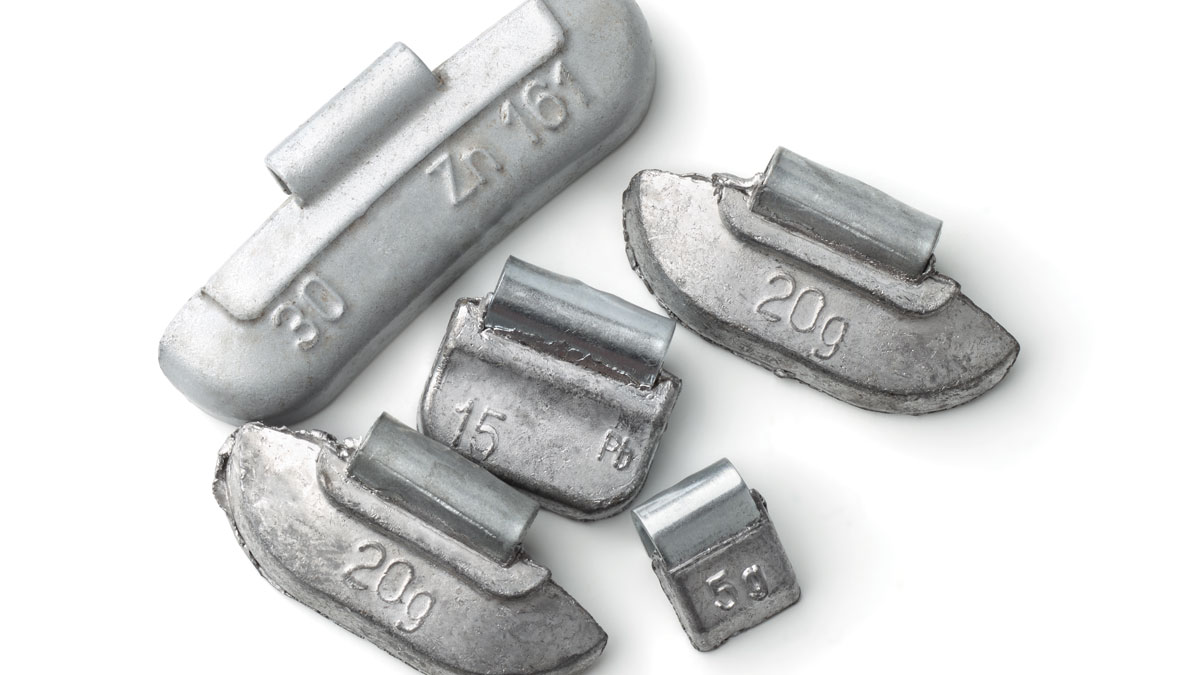 Why car tyre balance weights don’t make effective zinc anodes for boats">

Marine maintenance supply chains and specifications require zinc sacrificial anodes with >99% zinc to ensure predictable cathodic protection; substituting melted car tyre balance weights — alloys that often contain 70–96% zinc plus aluminium and copper — disrupts that logistical standard and can lead to rapid corrosion of hulls and fittings.
Composition differences at a glance
A comparison of typical alloy chemistry clarifies why wheel weights and marine anodes behave differently in service.
| Alloy type | Typical composition (major elements) | Practical implication |
|---|---|---|
| Automotive wheel weights | Zinc 71.5–96%, Aluminium 2–28%, Copper 0–11.5% | Variable electrochemical potential; often unsuitable as sacrificial anode |
| Marine zinc anodes (MIL-A-18001K) | Zinc >99%, Aluminium 0.10–0.5%, Cadmium 0.025–0.07%, trace others | Consistent sacrificial behaviour with predictable protection rates |
Why chemistry matters
The protection that a sacrificial anode provides depends on its position in the galvanic series and on having a consistent, low electrochemical potential relative to the protected metal. When an anode contains appreciable aluminium yoki copper, its potential shifts and its tendency to corrode preferentially is reduced or reversed. That is why wheel weights, made to meet automotive needs rather than marine corrosion standards, rarely behave like certified marine anodes.
Common failure modes when casting wheel weights
- Alloy contamination: even small amounts of temir or lead in donor metal can neutralize sacrificial action.
- Uncontrolled composition: factory wheel weights have wide compositional tolerances not suitable for anode standards.
- Surface treatment and cleaning: abrasive cleaning (for example, with a steel wire brush) can leave residues or produce microstructural changes that inhibit protection.
- Incorrect casting practice: improper pouring and cooling can produce porosity or segregation of alloying elements.
Lead weights and safety
Not all wheel weights are zinc; many older or cheaper weights are lead-based. Melting and reshaping lead is hazardous and entirely inappropriate for sacrificial anodes, both for electrochemical reasons and for health and environmental safety.
Practical recommendations for boatowners
To avoid corrosion surprises and maintain safe operations—including excursions, chartered trips and yacht events—follow these practical steps:
- Source anodes from reputable marine suppliers who certify compliance with MIL-A-18001K or equivalent maritime standards.
- Use zinc anodes in saltwater and consider magnesium or aluminium anodes where recommended for freshwater or specific hull materials.
- Avoid repurposing automotive wheel weights or other recycled metals unless the alloy is fully analysed and remelted under controlled conditions by a qualified foundry.
- Inspect anodes regularly and replace them before they become ineffective; do not rely on visual cues alone.
Inspection checklist
- Measure remaining anode mass and compare with service interval recommendations.
- Check for galvanic corrosion at fasteners and nearby fittings.
- Confirm anode attachment and electrical continuity to the structure.
Understanding the chemistry and procurement chain for sacrificial anodes helps protect not only the vessel but also the business model of marine tourism: reliable protection reduces downtime for repairs, which is essential for operators running yacht parties, cruise packages yoki safari tours by sea.
Even the clearest technical explanation can only go so far: direct experience aboard a well-maintained vessel is the best teacher. On GetExperience, you book your experience from verified providers at reasonable prices — this empowers you to make informed choices without unnecessary expenses or disappointments. The platform makes full and secure payments through the website with a voucher confirmation issued afterward, and it also offers the option to submit requests for tours or excursions tailored specifically to your needs, allowing you to receive offers from our providers that best match your preferences. GetExperience offers a wide variety of tours worldwide to suit any preference and budget. Book now GetExperience.com
In summary, melting car tyre balance weights to produce marine zinc anodes is unreliable because wheel weights contain variable amounts of aluminium, copper and sometimes lead; certified marine anodes require >99% zinc under standards such as MIL-A-18001K. Contamination by iron or improper cleaning can further compromise protective behavior. For boating and tourism operators—whether running museum tours with live guides from a harbour, luxury adventure travel experiences on private yachts, or adventure rafting trips for beginners—investing in proper anodes and routine inspection reduces corrosion risk and service interruptions. When in doubt, purchase certified anodes from marine suppliers or consult professionals to protect your vessel and preserve enjoyable travel experiences, from eco-friendly wildlife safaris to exclusive yacht charters for events.