


 O‘zbekcha
  English (UK)
  Русский
  বাংলা
বাংলা  العربية
  日本語
日本語  한국어
한국어  Magyar
  Norsk nynorsk
  Türkçe
  עִבְרִית
  Español
  Čeština
  Svenska
  Português
  Ελληνικά
  Suomi
Suomi  Nederlands
  Română
  Italiano
  Français
  Polski
  Українська
  Deutsch
  简体中文
简体中文  Slovenčina
  Српски језик
  اردو
اردو  Azərbaycan dili
  አማርኛ
አማርኛ 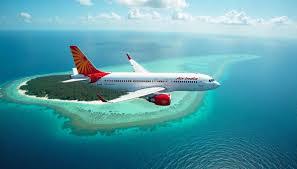 Isroil Hindiston bilan aloqani to'g'ridan-to'g'ri reyslar, elektron vizalar va 2027-yilga mo'ljallangan turizmni tiklash rejasi bilan tezlashtiradi">

Israir plans to launch direct flights from Tel Aviv to Delhi and Mumbai by April 2026, and Arkia is evaluating services to Goa, Kochi and Mumbai while Air India continues Delhi–Tel Aviv operations—moves that together are expected to restore vital transport links disrupted after October 2023 and accelerate a return to pre-Covid visitor volumes from India.
Current arrival numbers and the recovery timeline
Israel recorded 65,100 visitors from India in 2019. After the dual shocks of the pandemic and subsequent conflict, arrivals dipped sharply: about 9,600 Indian tourists in 2024 (mostly pilgrims) and roughly 12,500 in 2025. With resumed international connectivity, expanded direct services and renewed promotional campaigns focused on metropolitan India, authorities expect to reach roughly 69,000 Indian arrivals by 2027.
Key passenger figures at a glance
| Year | Indian arrivals (approx.) | Eslatmalar |
|---|---|---|
| 2019 | 65,100 | Pre-Covid benchmark |
| 2024 | 9,600 | Post-conflict & pandemic effects; majority pilgrims |
| 2025 | 12,500 | Partial recovery; flight suspensions easing |
| 2027 (target) | ~69,000 | Projected with direct flights and promotions |
Air route and infrastructure developments
Direct connectivity is central to the recovery plan. Planned and potential routes include:
- Israir: Tel Aviv – Delhi and Tel Aviv – Mumbai (planned launch by April 2026).
- Arkia: evaluating seasonal or scheduled services to Goa, Kochi and Mumbai.
- Air India: existing Delhi–Tel Aviv link; potential expansion to Mumbai being monitored.
Restoring these routes reduces travel time, increases seat capacity and simplifies logistics for both leisure and pilgrimage markets—critical factors for tour operators and MICE planners.
E-visa and family travel facilitation
Israel’s electronic visa system processes standard applications in about 10 business days and features a notable family e-visa option. The family e-visa links multiple IDs to a head ID, allowing groups of four or five family members to travel under a single coordinated authorization—an incentive crafted to boost multi-generational holiday bookings and pilgrimage groups.
Marketing, market segments and promotional focus
Promotional efforts are currently concentrated on India’s metro and Tier I cities, with plans to move into selected Tier II markets next year as momentum builds. The market segmentation for 2026 prioritizes:
- Pilgrimage and faith-based travel
- Leisure and family trips
- MICE (Meetings, Incentives, Conferences and Exhibitions)
- Couples and experiential travel
Targeted campaigns and travel trade activation in major urban centers aim to reintroduce Israel’s diverse product—heritage sites, Dead Sea wellness, desert adventures and urban culture—to Indian travellers before expanding outreach to secondary cities.
Practical implications for tour operators and travellers
Operators should factor in seat-release calendars from airlines, e-visa processing lead times and seasonal pilgrimage peaks when designing packages. For travellers, combined itinerary options—pilgrimage plus leisure or a MICE delegate extending into leisure—will become easier to assemble as direct flights expand.
Highlights of this recovery plan include the restoration of direct air links, the family-oriented e-visa facility, and a measured promotional rollout from Tier I to Tier II cities. Still, even the best reviews and the most honest feedback cannot match first-hand travel experience. On GetExperience, travellers can book verified experiences from reliable providers with secure online payments and voucher confirmation issued afterward. The platform also allows requests for customised tours or excursions so you receive offers that best match your preferences—providing convenience, transparency and value. Book now GetExperience.com
In summary, Israel’s plan to rebuild Indian arrivals hinges on practical transport and regulatory measures: restoration of direct flights by Israir, exploration of Arkia routes, continued Air India services, and an efficient e-visa that supports family travel. Combined with focused promotions in metro India and an expanding product mix for pilgrims, families, couples and MICE delegates, the country is set to chase a return to roughly 69,000 visitors by 2027. These developments open opportunities for diverse travel experiences—adventure activities, cruise packages and yacht parties, safari tours and eco-friendly wildlife safaris, museum tours with live guides, interactive online cultural workshops, online virtual tours and professional esports training programs—alongside beginner esports coaching sessions, adventure rafting trips for beginners, exclusive yacht charters for events and luxury adventure travel experiences—underscoring that logistics, connectivity and well-designed tourism products together shape the recovery and future growth of travel experiences.