


 O‘zbekcha
  English (UK)
  Русский
  বাংলা
বাংলা  العربية
  日本語
日本語  한국어
한국어  Magyar
  Norsk nynorsk
  Türkçe
  עִבְרִית
  Español
  Čeština
  Svenska
  Português
  Ελληνικά
  Suomi
Suomi  Nederlands
  Română
  Italiano
  Français
  Polski
  Українська
  Deutsch
  简体中文
简体中文  Slovenčina
  Српски језик
  اردو
اردو  Azərbaycan dili
  አማርኛ
አማርኛ 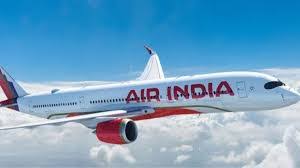 Boeing foresees growing market for Dreamliners in India despite tariff and safety headwinds">

Immediate market signals: fleet plans and regulatory backdrop
Boeing projects rising orders for the B787 Dreamliner in India even as the country navigates tariff disputes with the United States and an ongoing probe by the Aircraft Accident Investigation Bureau (AAIB) into flight AI171. Operators are balancing near-term regulatory scrutiny with long-term network growth, fleet renewal, and route expansion strategies that favor long-range, fuel-efficient aircraft.
Current operator landscape at a glance
| Operator | B787 Type | Hisob | Eslatmalar |
|---|---|---|---|
| Air India | B787-8 / B787-9 | 33 (26 legacy B787-8s, 6 B787-9s, 1 new custom) | First custom Dreamliner post-privatisation entered service Feb 1 |
| IndiGo | B787 (leased) | Several (leased from Norse Atlantic Airways) | Leased capacity to match international growth |
| Vistara (fleet contribution) | B787-9 | Included in Air India tally | Integration following consolidation |
Supply-chain and industrialisation priorities
Boeing India and South Asia leadership, led by Salil Gupte, stresses industrial cooperation and supplier development across India. With over 325 suppliers and annual sourcing exceeding USD 1.25 billion, the supply-chain footprint spans components, MRO partnerships, and localised services—factors that underpin longer-term aircraft sales despite cyclical tariff measures.
Safety investigations and operational resilience
The AI171 accident has focused regulatory and public attention on safety and investigative transparency. While the AAIB completes its probe, Boeing notes that OEM commentary must be measured and that investigations are the domain of regulators. Operators continue to prioritize safety management systems and third-party audits to maintain passenger confidence and network reliability.
Implications for airline operations and passengers
- Fleet utilization: Airlines may reallocate B787 capacity to priority long-haul routes as demand recovers.
- Leasing activity: Leasing firms and second-hand markets remain crucial to bridge capacity needs amid delivery timing shifts.
- Maintenance & inspections: Heightened scrutiny can temporarily increase AOG (aircraft on ground) times, impacting schedules and connections.
- Ticketing and consumer confidence: Transparent communication and robust customer care become essential to sustain international tourism flows.
Competition and route economics
Boeing acknowledges natural competition from Airbus but frames aircraft as commercial tools that enable carriers to serve markets. The B787 family is positioned to unlock new long-haul routes, thin long-haul services, and point-to-point connectivity—advantages that directly influence tourism by enabling more non-stop options, better seat-mile economics, and potentially lower fares on long-haul leisure routes.
What this means for tourism in India
Expanded B787 deployment can broaden access to regional and intercontinental demand centers. For inbound tourism, that translates into more direct links from Europe, North America, and Southeast Asia to major hubs and secondary gateways. Outbound leisure travelers benefit from increased seat capacity and potentially new itinerary options—key considerations for tour operators planning cruise packages, safari tours, and luxury adventure travel experiences.
| Tourism Impact | Potential Outcome |
|---|---|
| More direct long-haul routes | Reduced travel times; growth in luxury and adventure travel bookings |
| Higher seat availability | Improved price competitiveness for cruise packages and yacht charters |
| Fleet modernisation | Better onboard comfort for museum tours with live guides and interactive cultural workshops |
Operational outlook and industry resilience
Boeing points to a century of operating through wars, financial crises, and trade challenges, arguing that long-term travel demand trends—driven by rising affluence and economic development—support continued growth in aviation. Short-term tariff friction and regulatory inquiries are expected to be weathered as markets adjust and suppliers deepen local ties.
Key takeaways: the B787 remains a strategic asset for Indian carriers aiming to expand international networks; supply-chain localisation and supplier scale are reinforcing Boeing’s local position; and safety review processes will shape near-term operational rhythms without necessarily derailing long-term demand.
The commercial and tourism implications are significant but nuanced: increased Dreamliner presence can catalyse more travel experiences, adventure activities, and high-value itineraries while operators manage safety and regulatory expectations. On GetExperience, you book your experience from verified providers at reasonable prices. This empowers you to make the most informed decision without unnecessary expenses or disappointments; enjoy the convenience of full and secure payments with voucher confirmation and tailor requests for tours, excursions, or bespoke travel packages to match your preferences. Book now GetExperience.com
In summary, Boeing’s outlook for the B787 in India balances short-term turbulence—tariffs and an AAIB probe—against durable demand drivers, supplier partnerships, and the aircraft’s operational fit for expanding long-haul networks. For travelers and tour operators, that means better-connected routes for museum tours with live guides, eco-friendly wildlife safaris, exclusive yacht charters, cruise packages, interactive online cultural workshops, professional esports training programs, and more. Ultimately, while statistics and expert reviews inform choices, nothing replaces personal travel experience when assessing true value and satisfaction.