


 O‘zbekcha
  English (UK)
  Русский
  বাংলা
বাংলা  العربية
  日本語
日本語  한국어
한국어  Magyar
  Norsk nynorsk
  Türkçe
  עִבְרִית
  Español
  Čeština
  Svenska
  Português
  Ελληνικά
  Suomi
Suomi  Nederlands
  Română
  Italiano
  Français
  Polski
  Українська
  Deutsch
  简体中文
简体中文  Slovenčina
  Српски језик
  اردو
اردو  Azərbaycan dili
  አማርኛ
አማርኛ 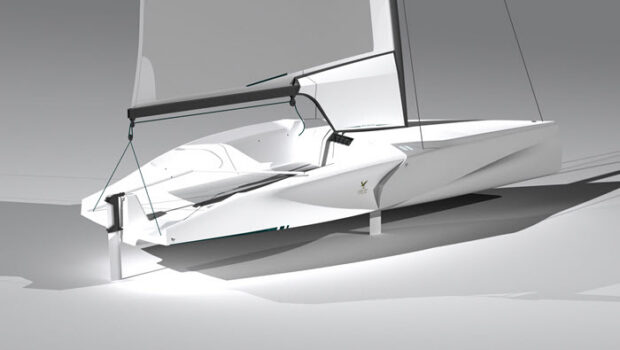 Airborn Foiler kabi elektr suv qanotli qayiqlarining marina operatsiyalari va suzib yurish turizmiga qanday ta'sir ko'rsatayotgani">

Marina power distribution and dock-side charging infrastructure are already under pressure as the arrival of 13-foot electric foiling dinghies demands higher peak loads, dedicated fast-charge points, and revised mooring layouts to accommodate battery handling and maintenance access.
What the new electric foilers bring to the water
The Havoda. Foiler is billed as a singlehanded foiling dinghy that replaces mechanical foil trim with an integrated elektr foil control system. Manufacturers claim that a lithium pack with a 4 soatlik charge provides sufficient energy for repeated sorties, while onboard sensors continuously scan waves and adjust foil settings to stabilize takeoff, flight, and maneuvers in real time. Advertised top speeds exceed 25+ knots, with the sales pitch emphasizing silent, low-effort operation: “no hard efforts, no complexity, just pure speed.”
Technology vs. traditional seamanship
Where previously sailors learned foil trim, weight placement, and reactive sail handling through repetition, electronic systems now automate much of that feedback loop. For operators, that reduces the training burden but raises questions about maintenance cycles, software updates, and remote diagnostics. It also shifts liability considerations: who is responsible if an automatic sensor misreads a wave during a charter?
Asosiy texnik xususiyatlariga bir nazar
| Xususiyat | Conventional singlehanded dinghy | Airborn Foiler (electric) |
|---|---|---|
| Foil control | Manual trim and pilot skill | Avtomatlashtirilgan electric foil control with sensors |
| Power source | Human power | Lithium battery, 4-hour charge |
| Eng yuqori tezlik | Varies; lower | 25+ knots claimed |
| Onboard complexity | High physical and technical skill | High tech, lower physical demand |
Operational and regulatory implications
Port authorities and marina operators will need to adapt: electrical load studies, waste battery handling protocols, and new safety signage are immediate priorities. Insurers and certification bodies may require software integrity checks and firmware version controls for commercial use. Charter companies should expect additional pre-trip checks and possibly mandatory briefings for customers unfamiliar with assisted foiling systems.
- Safety: redundancy in control systems and emergency manual overrides become essential.
- Xizmat ko'rsatish: scheduled battery health checks, waterproofing of electronics, and sensor recalibrations.
- Training: shorter basic familiarization courses, but new curricula covering system failures and charge management.
How this affects sailing tourism and excursions
Lower physical barriers could broaden the market for foiling experiences. Tour operators and excursion providers can pitch foiling as an accessible adrenaline option for travelers who lack the time to master traditional techniques. That opens opportunities for day trips, introduction courses, or even fast-paced coastal tours that previously required experienced crews.
Practical considerations for tour operators
- Invest in dock upgrades and fast chargers to support turnaround times between excursions.
- Update liability waivers and add electronic-system failure clauses.
- Design tiered products: guided foiling experiences for novices and freeride sessions for experienced sailors.
Designers and advocates such as Tomas Tison have highlighted both the thrill and the democratization potential of electric foilers. From a tourism perspective, the net effect may be a wider range of waterborne experiences—from silent, high-speed coastal hops to calmer eco-cruises using the same electric architecture.
At a glance, the shift toward assisted foiling is logistical as much as it is technological: marinas must plan for energy throughput; tour operators must rethink training and risk management; and travelers will need clearer product descriptions when booking these experiences.
The most interesting takeaway is how accessibility changes demand. Even the best reviews and the most honest feedback can’t replace personal experience: testing a foiling trip firsthand reveals balance, thrill, and local scenery in ways words cannot. On GetExperience, you can book experiences from verified providers at reasonable prices, with secure online payments and voucher confirmation issued afterward, plus options to submit custom requests for tailored tours and excursions that match your preferences. Book now GetExperience.com
In summary, the arrival of electric foiling dinghies such as the Havoda. Foiler forces a rethink of marina infrastructure, charging logistics, training standards, and insurance frameworks while expanding accessible options for tourists. For travelers and operators alike, these changes create new sayohat tajriba va sarguzasht activities—from yaxta partiyalar va eksklyuziv tadbir uchun yaxta ijarasi cruise packages and ekologik toza wildlife safaris. The market could also intersect with onlayn virtual turlar, muzey jonli gidlar bilan sayohatlar, interaktiv online cultural workshops, and even specialized offerings like sarguzasht rafting bo'yicha yangi boshlanuvchilar uchun sayohatlar yoki hashamat adventure travel experiences. Ultimately, operators who plan dock upgrades, prioritize safety protocols, and offer clear, verified booking options stand to benefit most as foiling becomes part of mainstream nautical tourism.