


 O‘zbekcha
  English (UK)
  Русский
  বাংলা
বাংলা  العربية
  日本語
日本語  한국어
한국어  Magyar
  Norsk nynorsk
  Türkçe
  עִבְרִית
  Español
  Čeština
  Svenska
  Português
  Ελληνικά
  Suomi
Suomi  Nederlands
  Română
  Italiano
  Français
  Polski
  Українська
  Deutsch
  简体中文
简体中文  Slovenčina
  Српски језик
  اردو
اردو  Azərbaycan dili
  አማርኛ
አማርኛ 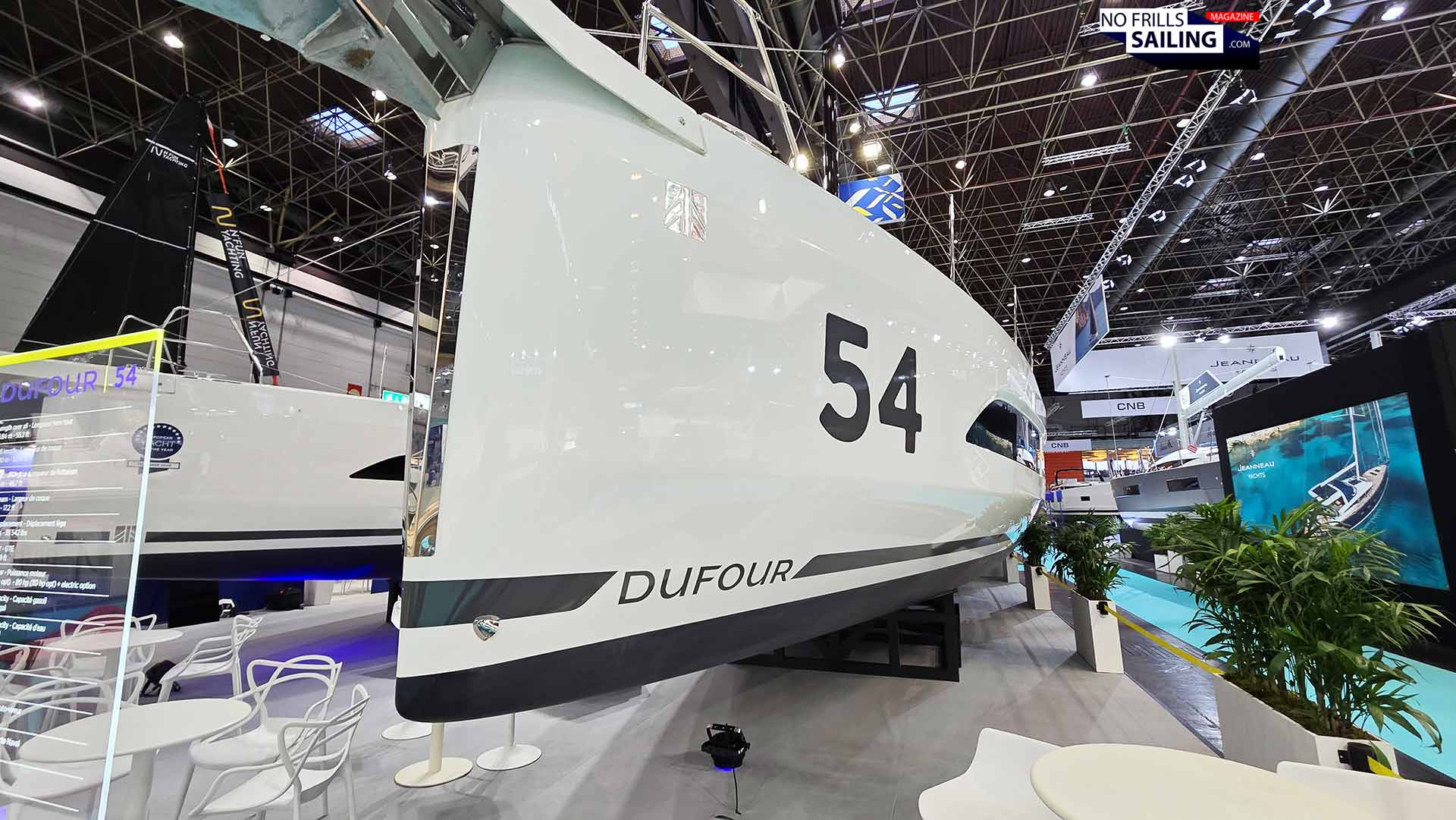 Dufourning olti burchakli tili va kabina logistikasi charter kruiz qulayligini qanday o'zgartiradi">

At Boot Düsseldorf press hours most shipyards permit boarding roughly 60–90 minutes before public opening, a window routinely used to document fit-out, test access routes and assess how salon layouts affect embarkation logistics for charter operations.
Boarding cadence and charter logistics: why interior layout matters
Production yachts such as the Dufour 48 va Dufour 54 are designed not only for private owners but also for high-turnover charter fleets. That dual market requirement drives choices in space planning, furniture geometry and service routing: from galley-to-cockpit pathways to bulkhead modularity that allows fast refits between charters. The hexagonal table on the Dufour 48 is a direct response to these constraints — it optimises seating density while remaining easy to manufacture and maintain across hundreds of units.
Design brief translated into practical choices
Luca Ardizio’s interiors trade between expression and function. On the 48 the large hexagonal dining table fills a compact salon efficiently, allowing comfortable seating for a family yet expandable capacity for a full charter party. On the 54 the conventional rectangular table is modular — convertible to a coffee-table size or a lowered central berth — prioritising versatility and quick reconfiguration, which charter operators value highly.
Tezkor taqqoslash qisqacha
| Xususiyat | Dufour 48 | Dufour 54 |
|---|---|---|
| Primary table shape | Hexagon — space-efficient | Rectangular — modular and convertible |
| Nishon bozor | Private + charter (50/50) | Charter-forward with larger owner options |
| Notable interior tweak | Hexagonal openings / visual language | Sentry-box semi-open chambers; modular bathrooms |
| Operatsion foyda | Easy mass production; flexible seating | Multi-layout adaptability for charter rotations |
Sentry boxes, structure and multi-layout thinking
The Dufour 54 introduces semi-open “sentry box” niches: shallow, wall-less chambers that serve as stowage, a mini-office or, in alternate layouts, become enclosed wet cabins. This approach preserves structural integrity and streamlines production: the same hull geometry supports five different internal arrangements, reducing lead time and spare-parts complexity for brokers and charter managers.
Comfort versus seamanship: the production-boat trade-offs
Modern cruising trends favour lounging space and onboard amenities — sunbeds, wetbars, plancha grills and large cockpits — because charter clients equate those with holiday value. The consequence is a tension between unobstructed helming ergonomics and aft-lounge luxury. The result is predictable: designers and shipyards prioritise what sells, often at the expense of offshore robustness or traditional sailing-first ergonomics.
Operational realities for charters and holidaymakers
- Turnaround efficiency: modular furniture and standardised joinery speed cleaning and refit between bookings.
- Maintenance predictability: simpler, repeatable components reduce service downtime in charter ports.
- Guest satisfaction: roomy saloons and cockpit layouts translate directly into higher charter bookings and repeat customers.
What this means for tourism and on‑water holidays
For travellers planning a sailing vacation, interior choices impact the type of experience: more lounging areas favour relaxed, social itineraries and yacht parties; modular cabins enable larger groups and family-friendly charters; configuration flexibility affects provisioning and the choice of cruise packages. Designers like Luca Ardizio shape the product to match evolving vacation behaviours — more sunbathing, more socialising, less blue-water voyaging.
Design takeaways for charter planners
- Prioritise layout flexibility if you expect mixed-use (family + charter) bookings.
- Inspect helm sightlines and deck access when booking yachts with heavy aft amenities.
- Evaluate joinery quality vs. intended holiday length; stronger woodwork matters for longer luxury cruises.
Highlights of the topic show how interior geometry and production logistics directly influence the holiday experience, from boarding flow to onboard social zones. Still, the best reviews and feature lists can’t replace personal experience: trying a yacht yourself remains the only true test. When planning a vacation that goes beyond mere transport — shaping a deeper cultural or leisure programme — platforms like GetExperience.com make it simple to arrange verified providers, secure full payments with voucher confirmation, and submit tailored requests for excursions or services that match your preferences. Benefit from transparent pricing, extensive options and the reassurance of confirmed vouchers — Book your Trip GetExperience.com
In summary, the Dufour 48 and 54 reveal a production-boat logic where hexagonal motifs and sentry-box modularity serve both styling and logistics: they lower manufacturing complexity, speed charter rotations and create desirable vacation spaces. The design trade-offs reflect broader market moves toward luxury adventure travel experiences and comfort-driven itineraries. For travellers and charter operators alike, these boats cater to modern travel experiences: yacht parties, cruise packages and exclusive yacht charters for events; they also dovetail with eco-friendly wildlife safaris or museum tours with live guides when integrated into broader itineraries. Whether you’re after adventure rafting trips for beginners, interactive online cultural workshops before a voyage, or luxury adventure travel experiences afloat, choosing the right layout matters — and nothing replaces booking and testing the real thing yourself.