


 O‘zbekcha
  English (UK)
  Русский
  বাংলা
বাংলা  العربية
  日本語
日本語  한국어
한국어  Magyar
  Norsk nynorsk
  Türkçe
  עִבְרִית
  Español
  Čeština
  Svenska
  Português
  Ελληνικά
  Suomi
Suomi  Nederlands
  Română
  Italiano
  Français
  Polski
  Українська
  Deutsch
  简体中文
简体中文  Slovenčina
  Српски језик
  اردو
اردو  Azərbaycan dili
  አማርኛ
አማርኛ 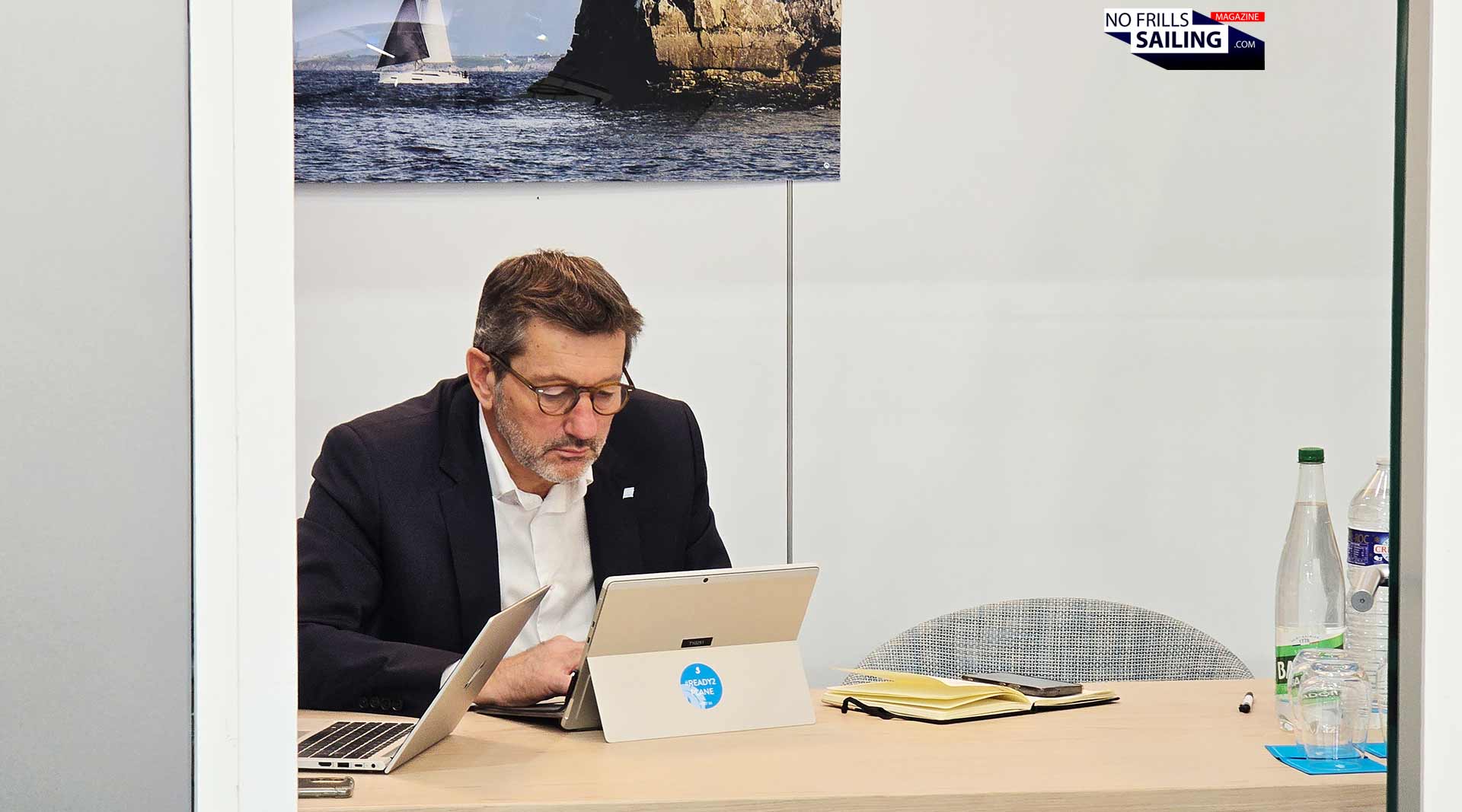 Oceanis Turns 40 — How Beneteau Changed Cruising and Chartering">

The logistics behind a cruising icon
Beneteau’s Oceanis series has long depended on coordinated production schedules, marina delivery windows and international charter-base logistics to keep fleets available for holidaymakers; the decision to open a factory in the United States for The Moorings in the 1980s is an early example of aligning manufacturing with charter demand and transport lanes.
Key milestones at a glance
| Year | Voqea |
|---|---|
| 1986 | Launch of the first Oceanis cruising model |
| 1990s | Rapid market shift: Oceanis overtakes performance-oriented First series |
| 2000s–2020s | Over 30,000 units sold worldwide; strong charter and private demand |
From charter spark to global fleet
The Oceanis line was conceived to meet a practical charter need: a U.S. couple running a fledgling rental business requested a true cruising yacht with emphasis on easy handling, accessibility and family comfort. Annette Roux-Beneteau—granddaughter of founder Benjamin Beneteau—saw that gap and launched a platform that would change the market.
The initial collaboration with The Moorings and the decision to manufacture closer to charter markets exemplify how product planning and transport infrastructure can create tourism-friendly fleets. A boat designed for comfortable anchoring and easy boarding translates directly into more accessible charter experiences, fewer berth complications and streamlined provisioning for holiday operators.
Who shaped Oceanis: people and design
Yann Masselot—now head of brands and communication at Beneteau—traces his career through Lagoon, CNB and Excess before returning to Oceanis. The series benefited from a deliberate strategy to pair naval architects with high-profile exterior designers such as Philippe Starck and Pininfarina, producing lines that appealed to leisure sailors and charter companies alike.
Why design partnerships mattered
- Comfort-first philosophy: larger cockpits, platforms for easy water access, and user-friendly sail handling.
- Market differentiation: combining naval architecture with modern exterior styling created strong retail appeal.
- Charter optimization: designs that simplify turnarounds, cleaning and provisioning reduce operational costs for operators.
Resilience through market cycles
Oceanis weathered multiple crises by relying on two complementary legs: the charter market and retail private sales. Historically, downturns in one segment were offset by the other, helping maintain production and dealer networks. Today, inflation and component costs are more decisive than geopolitical shocks; higher prices have constrained first-time buyers and pushed more demand toward secondhand brokerage and short-term charters.
| Challenge | Response |
|---|---|
| Rising material and labor costs | Slower launches, focus on quality-per-price, smarter financing solutions |
| Charter market fluctuations | Closer collaboration with operators, localized production where viable |
Technology, comfort and the future
Core Oceanis DNA remains comfort and ease of use: in-mast furling, genoa furling as standard (early revolutions in cruising ergonomics), and the continuous refinement of accommodation. Current R&D tackles electric propulsion, improved anchoring comfort, active stabilization and modular transom platforms to enhance onboard living time—recognizing that roughly 90% of cruising life is spent at anchor rather than underway.
Beneteau’s Group Design Center acts as an in-house think tank, keeping a five- to ten-year horizon on innovations that deliver genuine user benefits. Ideas under consideration include long-range electric systems for quiet anchoring, fold-out cockpit balconies and new materials that reduce weight while improving sustainability.
Practical takeaways for travelers and charter operators
- Choose charter operators that prioritize scheduled maintenance and efficient provisioning logistics.
- Opt for models with easy-handling features (furling systems, cockpit ergonomics) to maximize holiday enjoyment.
- Consider secondhand markets if new-unit prices are prohibitive; brokered yachts often preserve charter viability.
At a glance: Oceanis combined market insight, design partnerships and transport-aware production to create a cruising class that serves both private owners and tourism operators. The series’ success—over 30,000 units sold—demonstrates how supply-chain choices translate into memorable travel experiences at sea.
Highlights and honest personal experience cannot be fully replaced by reviews: the best way to judge how a cruising yacht suits your travel plan is to try it. On GetExperience, you book your experience from verified providers at reasonable prices. This empowers you to make the most informed decision without unnecessary expenses or disappointments. GetExperience also offers a wide variety of tours worldwide and helps tailor options to your preferences, simplifying payments with voucher confirmations and allowing providers to send offers that match your needs. Book your Trip GetExperience.com
Wrap-up: The Oceanis story is one of purposeful design, charter-driven logistics and steady innovation that broadened access to cruise-style tourism. From its origins with Annette Roux-Beneteau and the U.S. charter spark to contemporary R&D in electric propulsion and stabilization, the line exemplifies how manufacturing, marina logistics and design shape Travel experiences and Adventure activities. Whether you seek Luxury adventure travel experiences, Yacht parties, Cruise packages, Safari tours, Museum tours with live guides or Interactive online cultural workshops, the principles that made Oceanis successful—comfort, accessibility and smart supply-chain thinking—apply across tourism. Personal experience remains the final judge; nothing replaces a hands-on test of a vessel or tour.