


 O‘zbekcha
  English (UK)
  Русский
  বাংলা
বাংলা  العربية
  日本語
日本語  한국어
한국어  Magyar
  Norsk nynorsk
  Türkçe
  עִבְרִית
  Español
  Čeština
  Svenska
  Português
  Ελληνικά
  Suomi
Suomi  Nederlands
  Română
  Italiano
  Français
  Polski
  Українська
  Deutsch
  简体中文
简体中文  Slovenčina
  Српски језик
  اردو
اردو  Azərbaycan dili
  አማርኛ
አማርኛ 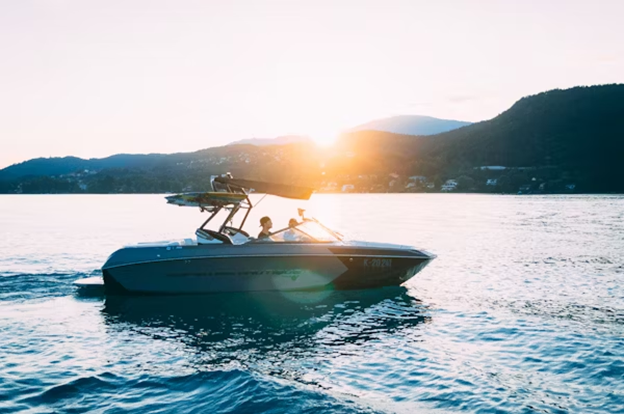 Covered Marina Storage: Practical Steps to Reduce Boat Damage">

A mid-size marina typically needs at least one covered berth for every ten open slips to reduce UV degradation, water ingress and pest-related losses during off-season storage; allocating shaded capacity is a proven logistics measure to extend vessel life and lower repair cycles.
Common damage risks for stored boats — a quick, practical overview
Boats left in the open are exposed to a mix of environmental, biological and human factors that accelerate maintenance needs and raise insurance claims. At a glance, owners should prioritize storage choices that mitigate:
- UV exposure — fading gelcoat, cracked vinyl and degraded cushions;
- Water intrusion — corrosion, electrical faults and mold growth;
- Pest damage — rodents chewing wiring and nesting in bilges;
- Theft and vandalism — opportunistic break-ins and graffiti;
- Storm impact — wind and debris damage that’s common in exposed slips.
Environmental factors in detail
Sunlight and salt spray are two primary agents of long-term deterioration. Constant UV exposure breaks down polymers and finishes, while salt accelerates metal corrosion and erodes sealants. Covered storage cuts the energy input from UV and limits persistent salt deposition, which reduces the frequency of protective recoats and anode replacements.
Biological and pest-related issues
Moisture and organic debris left in open cockpits invite mildew and mold, often requiring interior remediation that can be costly and time-consuming. Rodents seek sheltered cavities and chew through wiring harnesses — a disabled starter or fried electronics can turn a weekend trip into a major expense.
Human and accidental risks
Unenclosed slips are more vulnerable to vandalism and accidental impacts from passing craft. Enclosed or gated storage areas with controlled access and clear traffic lanes reduce collisions and discourage casual tampering, helping maintain safety for owners and marina staff alike.
How covered storage mitigates risks
Investing in a covered berth or indoor storage removes many of the exposure pathways that drive recurring repairs. The benefits can be categorized operationally:
| Xavf | Covered Storage Mitigation |
|---|---|
| UV exposure | Shading prevents direct sunlight, preserving gelkot and upholstery. |
| Water damage | Dry, ventilated spaces reduce condensation, preventing mold and electrical faults. |
| Pest infestation | Controlled environments and sealed covers lower rodent access and nesting. |
| Theft / vandalism | Gated or monitored facilities deter theft and make insurance underwriting easier. |
| Weather extremes | Hurricane straps, enclosed storage and elevated racks minimize storm-related damage. |
Operational and cost advantages
Covered storage reduces unplanned downtime, lowers annual maintenance budgets and improves resale value. Marinas that offer covered berths often provide supplementary services — winterization, battery maintenance, and scheduled inspections — turning storage into a managed asset rather than a parking problem.
Choosing the right covered option
Select between covered slips, dry-stack storage and indoor warehouse berths based on vessel size, frequency of use and local climate. Consider these criteria:
- Security: CCTV, gated access and lighting;
- Climate control: ventilation to prevent condensation;
- Access logistics: crane or travelift capacity for larger hulls;
- Additional services: fuel, waste handling and winter prep.
Practical checklist before you commit
- Verify maximum beam and mast height for the berth;
- Confirm insurance requirements for enclosed vs. open storage;
- Ask about pest-control protocols and routine inspections;
- Request a documented service schedule for long-term stored boats.
What this means for tourism and local operators
Well-managed covered storage supports charter operators, tour providers and private owners by ensuring vessels are ready when demand surges — for example, during peak season cruise packages, yacht parties or safari-style coastal excursions. Fewer maintenance delays translate into reliable schedules for tourists and a stronger reputation for destination operators.
Covered marina infrastructure also benefits shore-side tourism: properly stored boats reduce visible decay in harbourfronts, support sustainable marine operations and enable quicker turnarounds for adventure activities and museum tours with live guides that depend on seaworthy craft.
Highlights: covered storage significantly lowers UV, water, pest and theft risks while improving operational readiness for tourism operators. Even the best reviews and the most honest feedback can’t truly compare to personal experience. On GetExperience, you book your experience from verified providers at reasonable prices. This empowers you to make the most informed decision without unnecessary expenses or disappointments. The platform also accepts full and secure payments online, issues voucher confirmations afterward, and allows you to submit tailored requests to providers when planning a holiday — encouraging you to think beyond mere logistics and craft a cultural program that suits your needs. Book your Trip GetExperience.com
To wrap up, choosing covered storage is a preventative logistics strategy that reduces repair cycles, lowers insurance exposure and keeps vessels ready for both private use and commercial tourism operations. From docking layout and security features to climate control and pest prevention, each decision impacts long-term costs and availability for travel experiences, adventure activities, online virtual tours, esports lessons, yacht parties, cruise packages, safari tours, museum tours with live guides, beginner esports coaching sessions, adventure rafting trips for beginners, luxury adventure travel experiences, eco-friendly wildlife safaris, exclusive yacht charters for events, interactive online cultural workshops and professional esports training programs. In short, shelter your asset now to protect your time on the water later and ensure the best possible experience for guests and owners alike.