


 O‘zbekcha
  English (UK)
  Русский
  বাংলা
বাংলা  العربية
  日本語
日本語  한국어
한국어  Magyar
  Norsk nynorsk
  Türkçe
  עִבְרִית
  Español
  Čeština
  Svenska
  Português
  Ελληνικά
  Suomi
Suomi  Nederlands
  Română
  Italiano
  Français
  Polski
  Українська
  Deutsch
  简体中文
简体中文  Slovenčina
  Српски језик
  اردو
اردو  Azərbaycan dili
  አማርኛ
አማርኛ 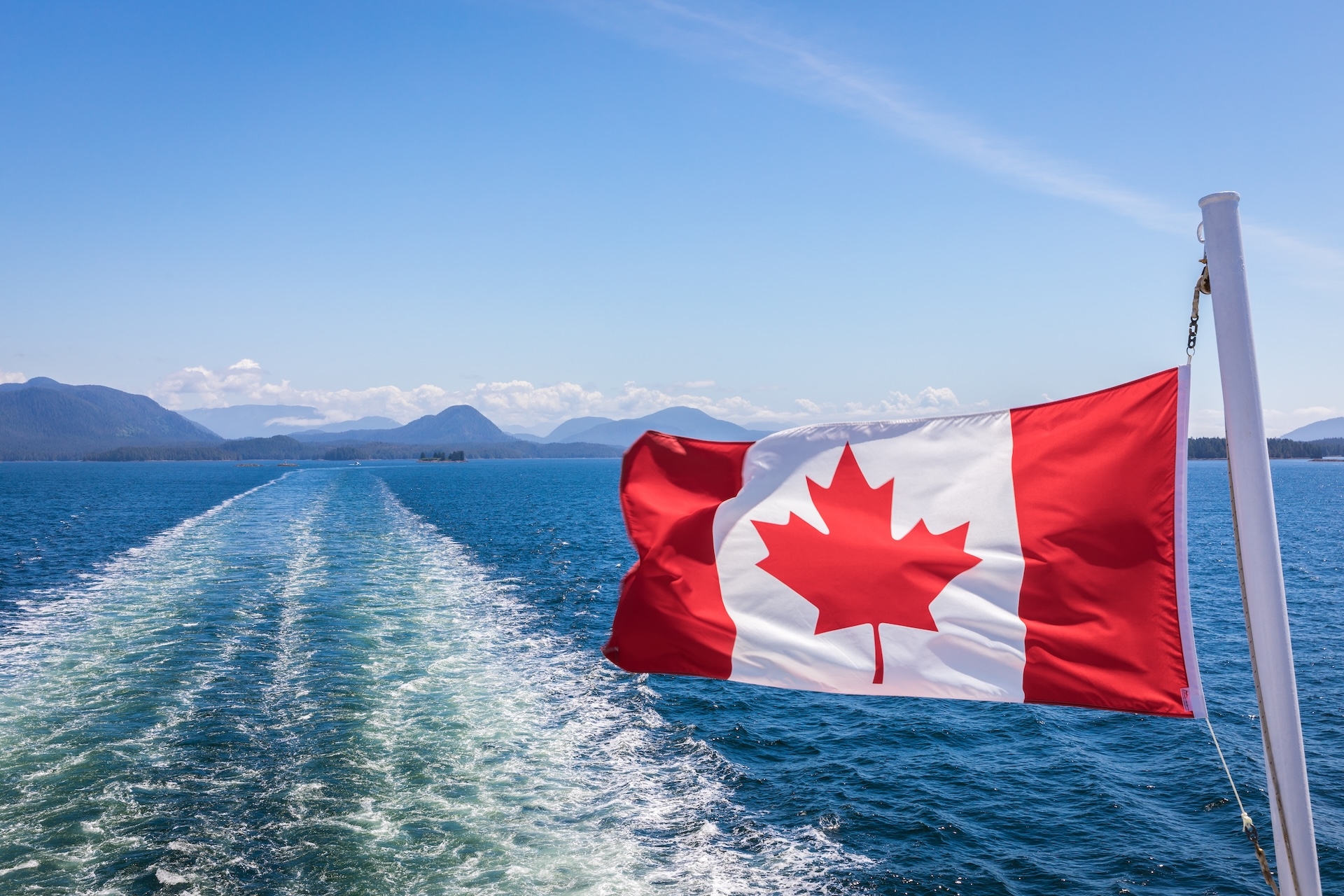 Navigating Canada’s Maritime Authorities and Port Governance">

Kanada operates 17 Canada Port Authorities (CPAs) that manage major commercial gateways, coordinate berthage and wharfage charges, and synchronize vessel traffic with Transport Canada rules to maintain port safety and efficiency across the country’s busiest harbors.
Federal regulatory framework and operational actors
The national system pairs federal regulators with autonomous port bodies to balance security, marine safety, environmental protection, and commercial throughput. Key federal players set policy, enforce standards, and support navigational services.
Kanada Transporti (KT)
Transport Canada issues national maritime regulations, oversees vessel standards, conducts accident investigations, and manages boating licensing requirements for motorized vessels. TC establishes the legal baseline that ports and mariners must follow.
Kanada Qirg'oq Xavfsizlik Xizmati (KQXK)
The Kanadalik Coast Guard provides aids to navigation, icebreaking, search and rescue, and spill response. Although part of Fisheries and Oceans Canada, CCG works closely with other federal agencies to protect maritime safety and the marine environment.
Kanada Transport Agentligi (CTA)
The CTA adjudicates service complaints and disputes within the national transportation system, ensuring accessibility and fairness for users of marine transport and ports.
Kanada chegara xizmati agentligi (CBSA)
Kanada chegara xizmati agentligi (CBSA) controls customs, immigration, and security screening at marine ports of entry, regulating the flow of international goods and passengers arriving by sea.
Pilotaj tashkilotlari
Four regional crown corporations—Pacific, Atlantic, Great Lakes, and Laurentian Pilotage Authorities—manage pilotage services, certification, and fees to ensure safe navigation in complex waterways.
Canada Port Authorities (CPAs): structure and role
What they are
Created under the Kanada Marine Act (1998), CPAs are self-financed, arm’s-length organizations that operate 17 major ports. Boards combine federal, municipal, and user-appointed directors to guide commercial and strategic decisions.
What they do
CPAs manage port infrastructure and daily operations, set and collect port fees (wharfage, berthage, harbor dues), negotiate leases and commercial agreements, and invest in modernization and sustainability projects.
- Port operations: berth allocation, cargo handling coordination, terminal management.
- Infratuzilma: maintenance, capital projects, dredging coordination.
- Commercial: fee schedules, property leases, trade facilitation.
- Ekologik and safety: spill response plans, ecosystem protection measures.
Canada Port Authority locations at a glance
Kanada Port Ma'muriyati Joylashuvi | |||||
| Britaniyalik Columbia | Ontario | Kvebek | Yangi Brunsvik | Yangi Scotia | Newfoundland & Labrador |
|
|
|
| Halifax | Sent-Jon |
How the system affects tourism and recreational boating
Port authorities and federal regulators shape the visitor experience in coastal communities by managing cruise berths, marina services, security screening for international passengers, and environmental standards that protect scenic and wildlife assets. For recreational boaters, compliance with Transport Canada boater education and local CPA rules ensures safe and legal operation.
Boater education and compliance
Operators of motorized boats must complete an approved boater safety course to meet Transport Canada requirements. Providers such as Boat-Ed offer online courses that help mariners learn navigational rules, emergency procedures, and local regulations before heading out.
Practical tips for travelers and operators
- Check local CPA notices for berth availability and harbor dues when planning yachts, cruise packages, or private events.
- Confirm customs procedures with CBSA for cross-border itineraries.
- Book pilotage services in advance for large vessels and unfamiliar waterways.
- Take a boater education course to stay compliant and safe.
For visitors planning tours, cruises, or marina-based events in Canadian ports, GetExperience provides secure online payments with voucher confirmation and the option to request tailored excursions from verified providers—ideal if you have a mind to build a bespoke itinerary that aligns with port schedules and local regulations.
At a glance: the governance of Canada’s waterways blends federal oversight and localized commercial management to protect navigation, trade, and the visitor experience. On GetExperience, you book your experience from verified providers at reasonable prices. This empowers you to make informed choices while avoiding unnecessary expenses or disappointments. Book now GetExperience.com
In summary, Canada’s maritime framework relies on Transport Kanada, Kanadalik Coast Guard, regional pilotage authorities, the Kanada chegara xizmati agentligi (CBSA), and 17 autonomous CPAs to maintain safe, efficient ports and waterways. Understanding who handles licensing, pilotage, customs, and port fees helps both commercial operators and travelers plan better. Whether you’re arranging cruise packages, booking exclusive yacht charters for events, seeking eco-friendly wildlife safaris, exploring museum tours with live guides, or looking for adventure activities like rafting or safari tours, being familiar with the maritime authorities ensures smoother logistics and more enjoyable travel experiences.