


 O‘zbekcha
  English (UK)
  Русский
  বাংলা
বাংলা  العربية
  日本語
日本語  한국어
한국어  Magyar
  Norsk nynorsk
  Türkçe
  עִבְרִית
  Español
  Čeština
  Svenska
  Português
  Ελληνικά
  Suomi
Suomi  Nederlands
  Română
  Italiano
  Français
  Polski
  Українська
  Deutsch
  简体中文
简体中文  Slovenčina
  Српски језик
  اردو
اردو  Azərbaycan dili
  አማርኛ
አማርኛ 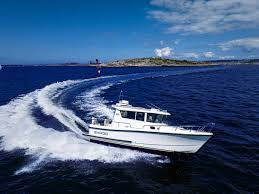 Qayiq Tezligi, Boshqaruvi va Charter Samaradorligini Oshirish uchun O'nta Amaliy Yaxshilanish">

For coastal charter operators and day-trip skippers, even a small reduction in hull wetted surface or drag translates directly into longer range between refuels and lower per-trip operating costs, making performance upgrades a logistical as well as a recreational priority.
#10 — Steer Straight: Precision Steering for Consistent Tracks
Maintaining a straight line on transit legs reduces distance traveled and fuel use. Upgrading to a hydraulic steering system—preferably one with twin cylinders for redundancy and finer control—helps keep charter routes tight and predictable. If the helmsman is constantly correcting or “wrestling” the wheel, consider replacement: it pays back in fuel and passenger comfort.
#9 — Active Aerodynamics: Reduce Topsides Drag
Anything protruding above deck increases parasitic aerodynamic drag. On ski- and tour-style boats, antennas, wakeboard towers, and speakers can shave miles-per-hour off top speed. Minimize permanent appendages and replace fixed hardware with pop-up alternatives from manufacturers such as Accon Marine to preserve laminar flow and create beneficial topside lift that reduces wetted area.
#8 — Performance Parts: Choose Wisely for Reliability
Aftermarket components—from ECU reflashes to superchargers—can boost power, but they vary in cost, installation complexity and warranty impact.
Quick checklist
- Prioritize bolt-on items with documented gains.
- Balance cost against the price of a replacement engine.
- Consult manufacturers and maintainers to avoid voiding warranties.
#7 — Happy Hydrodynamics: Clean Bottom and Correct Trim
Bottom fouling and incorrect trim are major sources of hydrodynamic drag. Keep hulls and lower units clean, waxed and free of marine growth. When coming onto plane, trim up gradually to reduce wetted surface but not at the expense of control. Use tabs as set points: mark the tab position where they sit flush with the hull and return to that setting unless compensating for list or loading.
#6 — Dynamic Drives: Optimize X-Dimension and Drive Type
The submerged profile of drives, props and struts matters. Raising the propeller height slightly (the X-dimension) can reduce load and increase top speed, although at some cost to low-end thrust. Outboard owners can test increments of ½” while monitoring RPM. Consider a hydraulic jack-plate for flexible trim control. For larger vessels, modern pod drives such as Volvo’s IPS and Mercury’s Zeus offer efficiency and dramatically improved maneuverability with joystick systems.
#5 — Better Breathing: Intake and Exhaust Upgrades
Engines perform best with cool, abundant intake air and free-flowing exhaust. Upgraded manifolds and polished risers (e.g., IMCO Marine kits) and modern low-noise performance exhausts from Mercury Marine and other builders can improve efficiency without excessive sound levels.
#4 — Re-Power: When to Replace the Engine
Sometimes a new engine is the most cost-effective path to reliable power and warranty coverage. Re-powering is straightforward on many outboards but always respect the boat’s capacity plate and consult OEM re-power programs.
#3 — Lighten the Load: Practical Weight Management
Remove non-essential gear and avoid carrying full tanks unnecessarily. Even one extra 25 gallons of fuel is weight that affects acceleration, planing and fuel economy. Distribute remaining weight to maintain the designed center of gravity—modifications like added swim platforms can have surprising handling consequences.
#2 — Performance Propeller: The Final Drive
The propeller is the last mechanical interface to the water. Inspect for nicks and damage and select material and blade count to match conditions: aluminum or Piranha replaceable blades for rocky waters, stainless for highest performance. Use tachometer readings to select a pitch that allows the engine to reach, but not exceed, recommended RPM. When in doubt, consult specialists such as PowerTech Propellers.
#1 — Captain Correctly: Skill Multiplies Upgrades
Skillful operation often yields greater gains than equipment changes. Practice smooth steering and throttle control, monitor RPM rather than speed alone, and consider professional driving courses. Equipment upgrades only deliver when the captain knows how to use them.
Cost vs Benefit at a Glance
| Yangilash | Odatda narx | Operatsion Foyda |
|---|---|---|
| Hydraulic steering | $800–$3,000 | Improved tracking and control, safer charters |
| Jack-plate | ~$1,000 | Flexible trim for speed or acceleration |
| Prop replacement | $300–$1,200 | Significant speed and handling gains |
At a glance, many pragmatic, relatively low-cost adjustments deliver measurable benefits for tourism operators and private owners alike: lower fuel bills, improved guest comfort and safer docking. However, nothing replaces firsthand experience; even the best reviews can’t match time behind the wheel. On GetExperience, you book experiences from verified providers at reasonable prices, with secure payments, voucher confirmations and options to request tailored tours and excursions that fit your needs. Use the platform to compare providers and pick the most suitable tour options—Book now, GetExperience.com
In summary: focus first on operational fundamentals—steering, trim, prop condition and weight—then layer targeted upgrades such as intake/exhaust improvements, jack-plates or modern pod drives as budgets allow. These changes improve fuel efficiency and handling for charter operations and private pleasure craft alike, enhancing travel experiences from museum tours with live guides or yacht parties to luxury adventure travel experiences, eco-friendly wildlife safaris and adventure rafting trips for beginners. Whether you seek interactive online cultural workshops or exclusive yacht charters for events, optimizing your boat’s performance ensures safer, more enjoyable adventure activities and cruise packages for every passenger.